
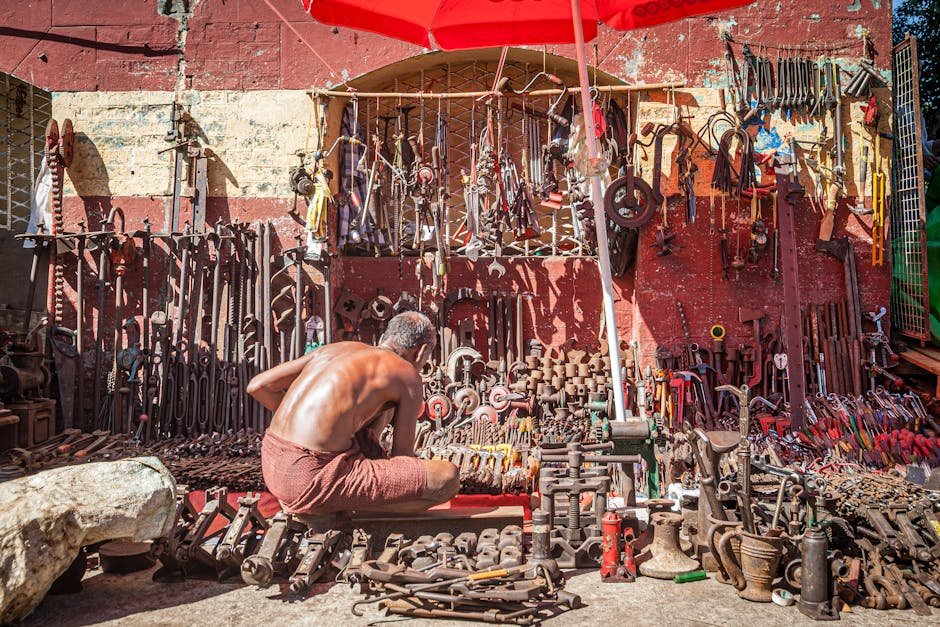

Understanding the role of a professional scrap merchant is essential for businesses and individuals looking to participate in the circular economy. In Australia, the recycling industry is a multi-billion dollar sector that relies on the efficient collection and processing of secondary raw materials. Whether you are clearing out a construction site or managing industrial waste, knowing how to What Is Scrap Trade provides the foundational knowledge required to maximise the value of your materials. By engaging with a reputable scrap metal recycling platform, you ensure that your waste is handled according to strict environmental standards while contributing to the sustainability of the Australian manufacturing sector.
Understanding the Fundamentals of Scrap Metal
At its core, the metal recycling industry transforms end-of-life products into high-quality raw materials. When you decide to Sell Scrap, you are not just getting rid of clutter; you are participating in a global supply chain that reduces the need for virgin ore extraction. The process begins with the identification and sorting of various metal types. Ferrous metals, such as iron and steel, are magnetic and represent the largest volume of recycled material. Non-ferrous metals, including copper, aluminium, brass, and lead, are highly valued for their conductivity and resistance to corrosion.
A professional scrap merchant acts as the vital link between the source of the waste and the foundry or mill. They use advanced equipment, such as hydraulic shears, balers, and eddy current separators, to process materials into furnace-ready commodities. This preparation is critical because mills require specific chemistry and density to maintain the quality of the final metal products. For those searching for a local solution, finding a reliable scrap shop near me is often the first step in streamlining your waste management processes.
Comprehensive Guide to Metal Grades
The value of your Scrap is determined by its grade, cleanliness, and the current market demand. Understanding these grades is the most effective way to ensure you receive a fair price for your materials. In the world of non-ferrous metals, copper is the gold standard. It is often graded as ‘Bright and Shiny’ (bare, uncoated wire) or ‘Candy’ (clean copper tubing). Contamination, such as solder, plastic insulation, or paint, can significantly downgrade the value of your material.
Stainless steel is another complex category. It is graded based on its chemical composition, specifically the levels of chromium and nickel. For example, 316 scrap is highly sought after due to its molybdenum content, which provides superior corrosion resistance compared to the more common 304 grade. A knowledgeable Australian scrap trading platform will provide detailed specifications on how to separate these grades to ensure you are paid correctly. Aluminium is similarly graded, with ‘Extrusion’ (window frames), ‘Cast’ (engine blocks), and ‘Sheet’ (siding or roofing) all commanding different price points based on their alloy purity.
The Mechanics of Metal Recycling
The recycling process is a sophisticated industrial operation designed to maximise purity and efficiency. Once the material reaches the facility, it undergoes a rigorous inspection process. Radiation detection is a standard safety protocol to ensure that no hazardous materials enter the processing stream. Once cleared, the material is weighed on certified scales to ensure transparency in the transaction.
Sorting is the next phase. Ferrous materials are separated using powerful electromagnets, while non-ferrous metals are sorted through a combination of manual labour and automated technologies like X-ray fluorescence (XRF) analysers. These handheld devices can identify the exact elemental composition of a metal piece in seconds, allowing for precise sorting of complex alloys. Once sorted, the material is shredded or baled. Shredding reduces the metal into small, fist-sized pieces, which makes it easier to remove impurities like plastic, rubber, and glass. Finally, the processed scrap is transported to smelters where it is melted down, refined, and cast into ingots or billets, ready to be used in the manufacturing of new products, from automotive parts to structural steel beams.
Environmental and Economic Benefits
The environmental impact of recycling scrap metal cannot be overstated. Mining virgin ore is an energy-intensive process that involves massive land disruption, water usage, and carbon emissions. By recycling, we drastically reduce the energy requirements for metal production. For instance, recycling aluminium consumes 95% less energy than producing it from bauxite ore. This energy savings translates directly into a reduction in greenhouse gas emissions, making the scrap industry a cornerstone of Australia’s transition to a low-carbon economy.
Beyond the environmental benefits, there is a significant economic incentive. By keeping metal in the circular loop, Australia reduces its reliance on imported raw materials. This strengthens domestic supply chains and supports local industries. Furthermore, the scrap industry provides thousands of jobs, from collection and logistics to high-tech processing and engineering. When you choose to recycle, you are supporting a sustainable ecosystem that values resource efficiency over the ‘take-make-dispose’ model of traditional manufacturing.
Best Practices for Preparing Your Scrap
To get the most value from your scrap, preparation is key. The golden rule of scrap trading is ‘cleanliness’. The more ‘free’ your metal is from attachments, the higher the price you will receive. For example, if you are recycling copper wire, removing the plastic insulation can often double the value of the material. If you have electric motors, removing the steel casings can sometimes improve the grade, though this depends on the specific requirements of your buyer.
Safety is equally important. Never attempt to cut into sealed units, such as gas cylinders, fire extinguishers, or fuel tanks, as these can contain hazardous residues or be under pressure. Always ensure that your scrap is sorted by type before arriving at the facility. Mixing copper with steel or aluminium with zinc makes it difficult for the merchant to process the material and will lead to a lower ‘mixed scrap’ price. If you are dealing with large quantities, consider using a skip bin service provided by a professional merchant to keep your site clean and organised.
The Future of the Scrap Industry
The scrap industry is currently undergoing a digital transformation. Platforms are now using data analytics to provide real-time pricing, tracking, and compliance reporting. This level of transparency is empowering sellers to make informed decisions about when and where to move their materials. Furthermore, the push for ‘Green Steel’—steel produced using renewable energy and hydrogen—is placing a premium on high-quality scrap metal, as it is the most efficient feedstock for these new, cleaner production methods.
As Australia moves toward stricter waste management regulations, the role of the scrap merchant will continue to evolve. We are seeing increased investment in ‘urban mining’, the practice of extracting valuable metals from e-waste like circuit boards and batteries. This requires high-level technical expertise and sophisticated chemical processing. By staying informed about these trends, businesses can turn their waste streams into profit centres while contributing to a cleaner, more sustainable future for Australia.
Conclusion: Partnering for a Sustainable Future
Choosing the right partner for your metal recycling needs is a decision that impacts your bottom line and the environment. A professional scrap merchant provides more than just a price for your metal; they provide the infrastructure, expertise, and compliance necessary to manage waste responsibly. Whether you are a small business owner or a large industrial firm, the principles of proper grading, sorting, and preparation remain the same. By engaging with the industry, you are helping to preserve natural resources, save energy, and support the Australian economy. We encourage you to explore our resources, learn about current market trends, and take the next step in your recycling journey by connecting with trusted industry professionals.
Frequently Asked Questions
What is the most valuable type of scrap metal?
Copper is generally the most valuable common scrap metal due to its high demand in electrical and plumbing applications. Other high-value metals include brass, stainless steel, and various aluminium alloys.
How do I know if my metal is ferrous or non-ferrous?
The easiest way to tell is by using a magnet. If a magnet sticks to the metal, it is ferrous (contains iron/steel); if it does not stick, it is non-ferrous (like copper, aluminium, or lead).
Why does contamination lower the value of my scrap?
Contamination such as plastic, rubber, or other mixed metals requires additional labour and energy to remove during the recycling process. Clean, sorted scrap is ready for immediate melting, which is why it commands a higher price.
Can I recycle household appliances?
Yes, most household appliances are made of steel and other recyclable metals. However, ensure you remove any hazardous components like batteries or refrigerants before taking them to a scrap facility.