
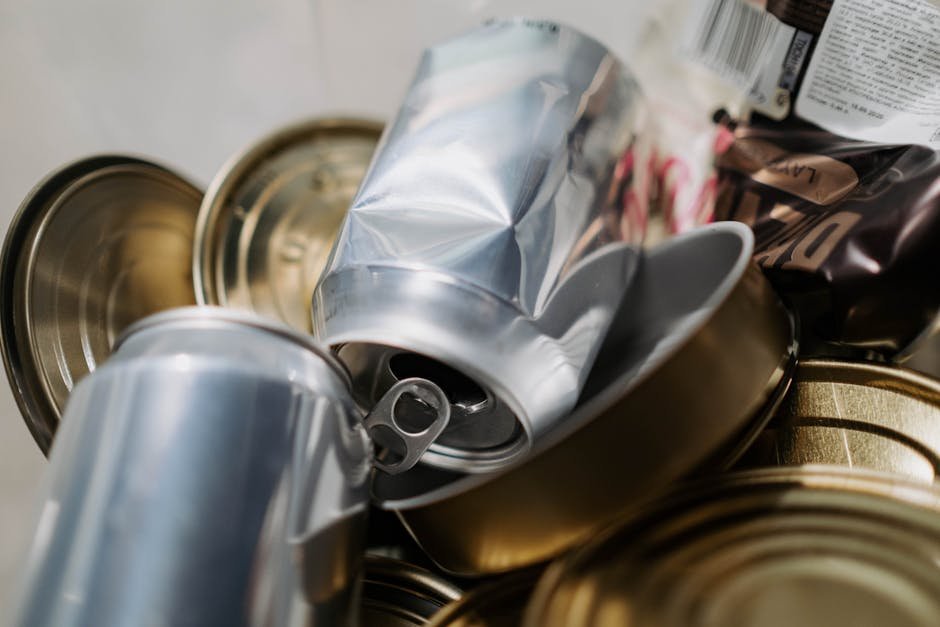

Navigating the complex landscape of aluminum metal recycling prices requires a nuanced understanding of global commodities and local market dynamics. As a primary material in construction, automotive manufacturing, and consumer packaging, aluminum is one of the most recycled metals on the planet. For traders and recyclers, staying informed about the aluminum metal recycling prices is essential to maximizing profitability. Whether you are a small-scale collector or a commercial industrial entity, understanding the factors that influence the price per kg can significantly impact your bottom line.
Understanding the Global Aluminum Market and Pricing Mechanisms
The pricing of aluminum is not arbitrary; it is fundamentally anchored to the London Metal Exchange (LME). As the world’s center for industrial metal trading, the LME sets the benchmark for aluminum price movements. When you look at metal prices today, you are essentially looking at a derivative of the LME spot price, adjusted for local premiums, currency fluctuations (AUD vs USD), and regional logistics.
In Australia, the aluminum metal recycling prices are further influenced by the ‘physical premium.’ This is the cost of transporting and delivering physical metal to a specific location. Because Australia is a major producer and exporter of bauxite and alumina, domestic scrap prices often track closely with international trends but are subject to local processing capacity. When global demand for aluminum increases—driven by the green energy transition and the automotive sector’s shift to lightweight materials—recycling facilities often see an uptick in the price per tonne offered to suppliers.
To get the most accurate data for your specific region, you should frequently check Scrap Metal Prices to track how these global shifts manifest in local yards. Recyclers often use a tiered pricing structure based on the grade of the aluminum, which we will explore in the following sections.
Classifying Aluminum Scrap: Grades and Their Impact on Value
Not all aluminum is created equal. The market distinguishes between various types of scrap based on alloy composition, contamination levels, and ease of recycling. The most valuable scrap is typically ‘clean,’ meaning it is free from non-aluminum attachments like plastic, steel bolts, or rubber gaskets.
- Aluminum Extrusion: This is high-grade material, often sourced from window frames, door frames, and architectural components. Because it is usually a consistent 6063 alloy, it is highly sought after by smelters and commands a premium price per kg.
- Aluminum Cans: Often referred to as UBCs (Used Beverage Cans), these are a staple of the recycling industry. If you are looking to maximize your returns, read our guide on Aluminum Can Recycling Prices How To Maximize Your Earnings to understand how sorting and cleanliness affect your payout.
- Cast Aluminum: Found in engine blocks, transmission housings, and lawnmower decks. This grade contains higher levels of silicon and other alloying elements, making it less valuable than pure extrusion but still a critical component of the recycling stream.
- Sheet Aluminum: Often sourced from roofing, siding, or automotive body panels. This is usually lower in price than extrusion due to potential paint or coating contamination.
When you visit a facility for Scrap Metal Recycling Near Me, the yard operator will inspect your load. The presence of ‘iron attachments’ or ‘dirt’ can downgrade your material from ‘clean’ to ‘dirty,’ which significantly lowers the price you receive.
Factors Influencing Current Scrap Prices in Australia
Several macroeconomic and microeconomic factors dictate the current scrap prices you see at your local yard. Understanding these helps you time your sales for maximum profit.
1. Global Supply and Demand: When emerging markets increase infrastructure spending, the demand for aluminum skyrockets, pushing prices up. Conversely, a slowdown in the construction sector can lead to a surplus of scrap and lower prices.
2. Energy Costs: Smelting aluminum is an energy-intensive process. When energy prices rise, the cost of producing primary aluminum (from bauxite) increases. This makes recycled aluminum (secondary aluminum) more attractive, which can drive up demand and prices for scrap.
3. Currency Fluctuations: Since aluminum is traded in USD on the global market, a strong Australian Dollar can sometimes make imported aluminum cheaper, potentially putting downward pressure on local scrap prices. Conversely, a weaker AUD can make Australian scrap more competitive globally.
4. Logistics and Transport: The cost of shipping scrap to processing hubs or overseas smelters is a major component of the final price. If fuel prices rise, the transport cost increases, which is often passed back to the seller in the form of lower procurement prices.
For those looking for professional services across the country, Scrap Trade Australia provides an extensive network of resources for industrial and domestic sellers. Always ensure you are working with reputable buyers who provide transparent pricing based on the latest aluminum recycling prices.
Maximizing Your Returns: Tips for Sellers
Preparation is the single most effective way to improve your earnings. Many sellers lose money by bringing in mixed, dirty, or unsegregated loads. By following these professional tips, you can ensure you get the best possible price per tonne.
Segregation is Key: Never mix your aluminum with other metals like steel, copper, or brass. Most yards will penalize you for ‘dirty’ loads, or worse, pay you the rate for the lowest-value metal in the mix. Keep your aluminum extrusion separate from your cast aluminum and your cans.
Clean Your Scrap: Remove steel screws, rubber seals, glass, and plastic. A clean load of aluminum extrusion is worth significantly more than a load that requires manual labor to clean. If you have large quantities, investing time in stripping away non-aluminum components will pay dividends.
The Environmental and Economic Value of Aluminum Recycling
The recycling of aluminum is one of the greatest success stories of the circular economy. Recycling aluminum requires approximately 95% less energy than producing primary aluminum from bauxite ore. This massive energy saving makes recycled aluminum a critical resource in the global push toward net-zero emissions.
From an economic perspective, the scrap metal industry supports thousands of jobs across Australia. By choosing to recycle, you are not only earning money but also contributing to a sustainable supply chain that reduces the need for destructive mining practices. When you search for metal recycling prices near me, you are participating in a global effort to preserve resources. The industry is highly efficient, with most aluminum being infinitely recyclable without losing its material properties, ensuring that the aluminum used in a soda can today could be part of an aircraft or a car chassis tomorrow.
Industrial Applications and the Future of Aluminum
The future of aluminum recycling is inextricably linked to the automotive and aerospace industries. As manufacturers strive to build lighter electric vehicles (EVs) to extend battery range, the demand for high-quality recycled aluminum alloys continues to grow. This ‘closed-loop’ recycling, where manufacturers take their own scrap and re-process it, is becoming the industry standard.
For the average recycler, this means that the demand for high-purity scrap will likely remain strong. Technologies such as X-ray fluorescence (XRF) sorting are becoming more common in yards, allowing for more accurate identification of alloys. This technological advancement means that, in the future, the price you receive for your scrap may be even more accurately tied to its specific chemical composition rather than just a generic ‘aluminum’ price.
How to Stay Updated on Market Trends
Because the market is volatile, relying on outdated information is a recipe for lost revenue. To stay ahead, consider the following strategies:
- Subscribe to Industry News: Follow reputable metal trading platforms and news outlets that report on LME movements.
- Build Relationships with Local Yards: If you are a regular seller, talk to the yard manager. They can often give you insights into when prices might be shifting or if there is a specific demand for a certain type of scrap.
- Use Digital Tools: Utilize online platforms like Scrap Trade to compare regional pricing and find reliable buyers. Being informed allows you to negotiate from a position of strength, ensuring you are not accepting prices that are below the current market standard.
By treating scrap metal as a commodity rather than ‘trash,’ you shift your perspective from a passive seller to an active participant in the recycling economy. This mindset, combined with the practical tips provided in this guide, will ensure you maximize your earnings every time you head to the recycling yard.
Conclusion: The Path to Profitable Recycling
Aluminum metal recycling is a vital component of the Australian economy, offering both significant environmental benefits and financial opportunities for those who understand the market. By monitoring the factors that influence aluminum metal recycling prices—such as global commodity trends, material cleanliness, and local logistics—you can ensure you are getting the best value for your scrap.
Remember that the market is dynamic. What is true today regarding the price per kg may shift tomorrow based on global supply chains and industrial demand. Always prioritize safety, maintain clean and sorted loads, and stay connected with trusted industry resources. Whether you are recycling a handful of aluminum cans or managing a large industrial load of extrusion, the principles of professional recycling remain the same: quality, consistency, and market awareness. By leveraging the tools and insights provided in this guide, you are well-equipped to navigate the recycling market with confidence and maximize your returns.
Frequently Asked Questions
Why does the price of aluminum scrap change so often?
Aluminum prices are tied to the London Metal Exchange (LME) and are influenced by global supply and demand, energy costs, and currency exchange rates. Because these factors fluctuate daily, local scrap yards adjust their prices to remain competitive and profitable.
How can I get the highest price for my aluminum scrap?
The best way to maximize your earnings is to ensure your scrap is clean and well-sorted. Remove all non-aluminum attachments like steel screws, plastic, or rubber, and separate your aluminum into distinct grades like extrusion, cast, and cans.
Does the grade of aluminum really affect the price per kg?
Yes, significantly. Smelters pay more for high-purity, consistent alloys like aluminum extrusion because they require less processing. Lower-grade aluminum, such as cast or mixed scrap, contains more impurities and therefore commands a lower price.
Where can I find the most accurate current scrap prices?
You should check reliable online scrap metal trading platforms that aggregate regional data. Additionally, calling your local recycling yard directly or checking their website for updated price lists is the most accurate way to confirm what you will receive for your specific material.