
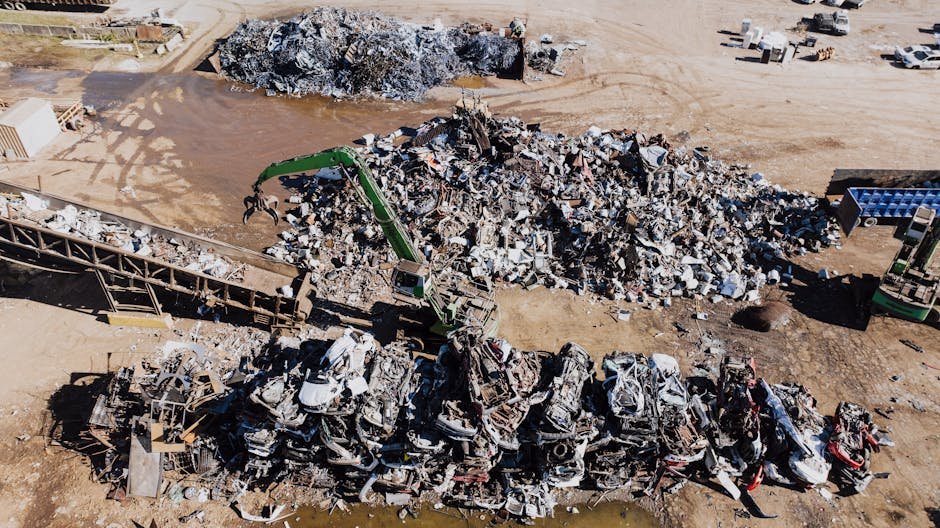

When considering scrap metal recycling Dural, it is essential to understand that this process is a cornerstone of the circular economy in New South Wales. As Dural continues to evolve, the demand for efficient waste management and resource recovery has never been higher, making it vital for both residential and commercial entities to engage with professional recycling facilities. Whether you are clearing out a residential garage or managing industrial site waste, understanding the nuances of metal grades and market values is key to sustainable disposal.
The Fundamentals of Scrap Metal Recycling Dural
The process of scrap metal recycling Dural is a sophisticated industrial operation designed to divert waste from landfills and reintroduce valuable materials into the manufacturing supply chain. At its core, the cycle begins with collection, where scrap is gathered from various sources, including demolition sites, automotive repair shops, and household clean-ups. Once collected, the metal is transported to a processing facility where it undergoes rigorous sorting.
Sorting is perhaps the most critical stage. Modern recycling facilities utilize advanced technology, including magnetic separators, eddy current separators, and X-ray fluorescence (XRF) analyzers to determine the precise chemical composition of the metal. This ensures that contaminants—such as plastics, rubber, or non-compatible metals—are removed, resulting in a high-purity product that steel mills and foundries can use immediately. For those looking for local options, searching for Scrap Metal Recycling Near Me is the first step toward responsible disposal.
Understanding the difference between ferrous and non-ferrous metals is essential for anyone entering the scrap market. Ferrous metals, such as iron and steel, contain carbon and are magnetic. They are the most recycled materials on the planet due to their widespread use in construction and infrastructure. Non-ferrous metals, including copper, aluminium, brass, and lead, do not contain iron and are generally more valuable due to their infinite recyclability and lower availability. If you are preparing for the future, learning how to Sell Scrap Metal Near Me In 2026 will involve staying updated on market fluctuations and technological advancements in automated sorting.
Understanding Metal Grades and Market Valuation
To maximize the return on your scrap, you must understand how recyclers grade materials. In the context of scrap metal recycling Dural, grading is based on purity, weight, and the current global commodity price. Copper, for instance, is graded based on its insulation status. “Bright and shiny” copper, which is stripped of all insulation and oxidation, fetches the highest price, while “number two” copper may contain traces of solder or minor impurities.
Aluminium is another major player in the scrap market. It is categorized into various grades, such as sheet aluminium, cast aluminium, and extrusions (like window frames). Each grade has a different melting point and chemical profile, which dictates its end-use application. Steel is typically graded by its thickness and density. Heavy melting steel (HMS) is highly sought after by mills because it is clean and easy to melt, whereas light gauge steel or “tin” scrap may have a lower market value due to the energy required to process it.
It is important to note that the industry is divided into two distinct operational models: the collection/trading side and the processing/manufacturing side. If you are interested in the professional side of this industry, understanding the nuances of Scrap Trading Vs Recycling Business is crucial for long-term viability. Trading involves the arbitrage of commodities, while recycling involves the physical transformation of waste into a value-added product. For those operating across the Greater Sydney region, we provide extensive resources for scrap metal recycling moorebank and scrap metal recycling minto to ensure seamless logistics across different districts.
Environmental Benefits and Sustainability
The environmental impact of recycling scrap metal cannot be overstated. When we recycle metal, we significantly reduce the need for mining virgin ore, which is an energy-intensive and environmentally destructive process. Mining involves massive land clearing, habitat destruction, and the release of greenhouse gases. By contrast, recycling aluminium saves approximately 95% of the energy required to produce it from bauxite ore. Similar energy savings are achieved with copper and steel.
Furthermore, recycling reduces the volume of solid waste sent to landfills. Metals that end up in landfills can leach chemicals into the soil and groundwater over time, creating long-term ecological risks. By utilizing a professional scrap metal trading platform, you are contributing to a closed-loop system that preserves natural resources for future generations. This is not just about waste management; it is about resource security and reducing the carbon footprint of the Australian manufacturing sector.
The energy savings also translate into lower carbon emissions. Because recycled metal is already in a refined state, the smelting process requires far less heat than the reduction of raw ore. This reduction in energy demand directly correlates to lower emissions from power plants that supply the grid. In Dural, where community members are increasingly conscious of their environmental footprint, recycling scrap metal is one of the most effective ways to make a tangible difference.
Operational Logistics: How to Prepare Your Scrap
Preparation is the secret to a successful scrap transaction. Recyclers prefer loads that are organized and free of non-metallic contaminants. If you arrive at a facility with a mixed load of steel, plastic, and wood, you will likely receive a lower price because the facility must spend extra time and money separating these materials. To get the best value, follow these practical steps:
- Segregate your metals: Keep copper, brass, aluminium, and steel in separate containers.
- Remove non-metal attachments: Take off plastic handles, rubber seals, or glass components.
- Clean your scrap: Remove excessive dirt, oil, or grease.
- Strip wires: If you have a large volume of copper wire, stripping the insulation can significantly increase the value, though you must weigh the time spent against the price increase.
- Know your weight: Use a reliable scale to estimate the weight of your load before heading to the yard.
By following these steps, you not only make the process faster for the recycling team but also ensure that you are paid accurately for the specific grades you are delivering. For those seeking expert advice on logistics and material handling, our specialized metal recycling portal offers comprehensive guides for both residential and commercial clients.
The Future of Metal Recycling in Australia
The Australian scrap metal industry is currently undergoing a digital transformation. We are moving toward a future where blockchain technology may be used to track the provenance of recycled materials, ensuring that they are sourced ethically and sustainably. Additionally, automated robotic sorting systems are becoming standard in large-scale facilities, allowing for higher precision and faster turnover times. This technological leap is making the entire supply chain more transparent and efficient.
Furthermore, government regulations are becoming stricter regarding the disposal of hazardous materials found in scrap, such as lead-acid batteries or mercury-containing switches. Compliance is no longer optional; it is a fundamental aspect of operating in the modern recycling landscape. As we look toward 2026 and beyond, the integration of smart logistics and AI-driven market analysis will define the industry leaders. Staying informed through reputable platforms will be the deciding factor for those looking to maximize their recycling efficiency.
Safety and Compliance Standards
Safety is the paramount concern in any scrap metal operation. Handling heavy metals, sharp edges, and industrial machinery requires strict adherence to safety protocols. Whether you are transporting scrap or working on a demolition site, always wear appropriate personal protective equipment (PPE), including steel-capped boots, heavy-duty gloves, and high-visibility clothing.
Compliance also extends to the legal requirements of selling scrap metal in Australia. Most states have implemented “cashless” payment systems to prevent the trade of stolen goods. When you sell your scrap, be prepared to provide valid identification and proof of ownership if requested. These measures protect the integrity of the industry and ensure that the scrap metal market remains a legitimate and respected sector of the economy.
Conclusion: Taking Action Today
Recycling scrap metal is more than just a way to clear out clutter; it is a vital contribution to the environment and the economy. By understanding the grades, preparing your materials correctly, and choosing the right partners, you can ensure that your scrap metal is handled in the most sustainable and profitable way possible. Whether you are in Dural or surrounding suburbs, the principles of responsible recycling remain the same: sort, clean, and recycle.
As we continue to push for a more sustainable Australia, every kilogram of metal diverted from a landfill counts. Start by auditing your current waste streams, identifying the recyclable metals, and connecting with a trusted local facility. The transition to a circular economy is a collective effort, and your participation is the driving force behind this necessary change.
Related: Scrap Trading Vs Recycling Business
Frequently Asked Questions
What items are considered scrap metal?
Scrap metal includes anything made of metal, such as copper wiring, aluminium cans, steel beams, old appliances, car parts, and plumbing fixtures. It is generally categorized into ferrous (iron-based) and non-ferrous (non-iron) metals.
Why is it important to sort my scrap before recycling?
Sorting your scrap increases its value because recyclers can process pure materials more efficiently. Mixed loads often incur processing fees or receive a lower ‘mixed scrap’ price, whereas separated high-grade metals command premium rates.
Can I recycle items that have plastic or rubber attached?
While recyclers can process some items with attachments, it is always better to remove plastic, rubber, or glass before bringing them in. Removing these contaminants ensures you are paid for the actual weight of the metal rather than the weight of the waste material.
How do I determine the current price of scrap metal?
Scrap metal prices fluctuate based on global commodity markets, supply and demand, and local economic conditions. It is best to check with your local recycling facility or use an online scrap trading portal for the most up-to-date pricing trends.