
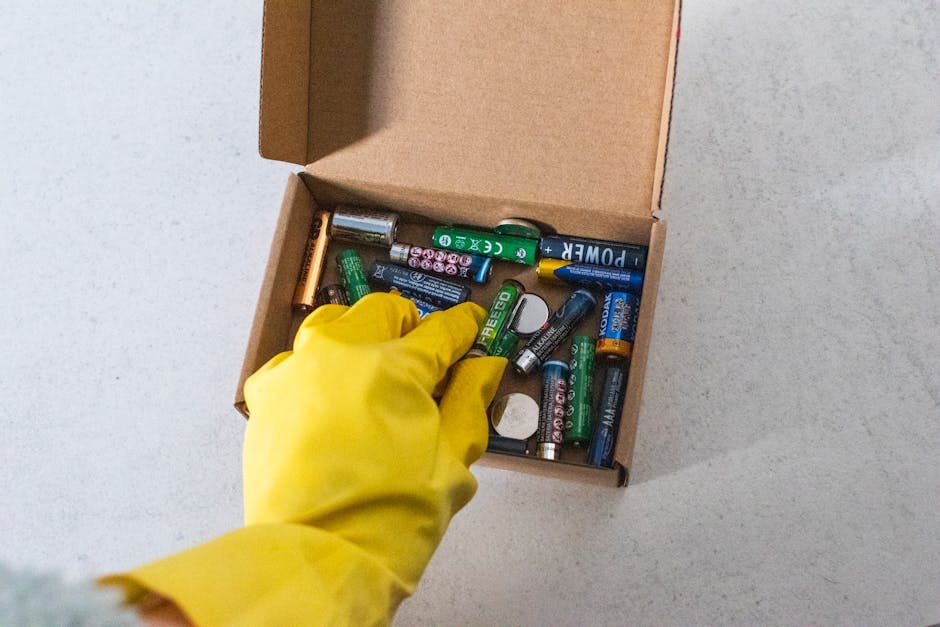

Navigating the complex world of scrap batteries prices requires an understanding of global commodity markets, chemical composition, and local regulatory frameworks. As the demand for energy storage increases, the secondary market for battery materials has become a critical pillar of the Australian circular economy. Whether you are an industrial operator clearing out a warehouse or a trade professional managing site waste, knowing how to value your batteries is essential for profitability.
Understanding Market Dynamics and How Scrap Batteries Prices are Set
The valuation of batteries in the recycling sector is not arbitrary; it is a sophisticated calculation tied to the LME. When you look at current scrap prices, you are essentially looking at the market’s appetite for the raw materials contained within those units. Lead-acid batteries, for instance, are valued based on the percentage of lead recoverable from the plates and the purity of the lead paste.
Several factors influence the price per kg offered by scrap yards. First, the LME lead price is the primary benchmark. If the global price of lead rises, your return per unit increases. Second, logistics play a massive role. Because batteries are classified as hazardous goods, the cost of transport, specialized storage, and compliance with environmental regulations is baked into the price per tonne. A yard located closer to a smelter or a specialized processing facility can often offer a higher rate because their overheads are lower.
When comparing scrap metal prices across different regions, you will notice that battery prices remain relatively stable compared to more volatile commodities like copper. However, they are still subject to the “market rate” of the day. It is always recommended to check Scrap Prices before heading to a facility to ensure you are receiving a fair deal based on current market conditions.
Categorizing Scrap Batteries: Grades and Composition
Not all batteries are created equal. To get the best value, you must understand how recyclers grade them. The most common form of scrap battery is the lead-acid battery, typically found in vehicles, forklifts, and uninterruptible power supply (UPS) systems. These are usually graded by weight and the integrity of the casing.
Beyond lead-acid, we see an increasing volume of lithium-ion (Li-ion) batteries. These require a completely different recycling infrastructure. While lead-acid batteries are essentially 95% recyclable, lithium-ion batteries contain cobalt, nickel, and lithium, which are significantly more valuable but harder to extract. If you are dealing with large quantities of mixed batteries, it is vital to separate them. Mixing chemistries can lead to safety hazards and lower overall metal prices today, as the processor must spend time sorting them manually.
For those also managing other site waste, it is worth noting that scrap aluminium prices per kg often fluctuate differently than battery prices. By keeping your material streams clean—separating lead-acid from lithium-ion and keeping them free of debris—you ensure the highest possible payout. If you are unsure about the specific grade of your material, search for Scrap Metal Prices Near Me to find a local expert who can provide an on-site assessment.
The Recycling Process: From Waste to Resource
The recycling of lead-acid batteries is a triumph of industrial efficiency. Once a battery reaches a recycling facility, it is crushed in a hammer mill. The internal components are separated: the heavy lead and lead oxides sink, the plastics float, and the sulfuric acid is neutralized. The lead is then smelted and refined to produce new battery plates, while the plastic casings are cleaned and pelletized for reuse in new battery boxes.
This closed-loop system is why scrap batteries prices remain a viable incentive for collection. When you drop off your batteries at a professional recycling hub, you are contributing to a system where nearly every part of the battery is repurposed. This reduces the need for virgin mining, which is energy-intensive and environmentally damaging. For those handling larger scrap components, understanding the value of scrap motor prices can also provide additional revenue streams, as electric motors often accompany battery-powered equipment.
The recycling of lithium-ion batteries is currently in a state of rapid innovation. Processes like hydrometallurgy and pyrometallurgy are being scaled to recover the high-value metals mentioned earlier. Because this technology is newer, the market for scrap lithium batteries is still maturing, and prices are highly dependent on the specific chemistry (e.g., LFP vs. NMC) and the volume available.
Environmental Benefits and Regulatory Compliance
Recycling batteries is not just about the money; it is a fundamental environmental necessity. Lead is a heavy metal that, if disposed of in landfills, can leach into groundwater and soil, causing severe neurological damage to humans and wildlife. Similarly, the electrolyte in lithium batteries is flammable and toxic. By utilizing professional recycling services, you ensure that these hazardous materials are handled according to Australian EPA standards.
When you sell your scrap, you are supporting a sustainable supply chain. The energy required to recycle lead from old batteries is a fraction of the energy required to mine and process lead ore. This energy saving translates into a lower carbon footprint for the entire manufacturing sector. Furthermore, recycling programs help prevent the “export of waste” problem, ensuring that Australia manages its own industrial byproducts responsibly.
Always ensure that the facility you choose is licensed to handle hazardous materials. A reputable scrap trader will provide documentation confirming that the batteries have been processed in accordance with local regulations. This is particularly important for commercial entities that need to maintain ESG (Environmental, Social, and Governance) reporting standards.
Maximizing Your Returns: Practical Tips for Sellers
To get the best scrap batteries prices, preparation is key. Here are several expert tips to ensure you are getting the most value for your materials:
- Sort by Type: Keep lead-acid batteries separate from lithium-ion, nickel-cadmium, or alkaline batteries. Mixing them usually results in the recycler paying you the lowest common denominator price.
- Clean Your Material: Remove excessive dirt, grease, or non-battery attachments. While a small amount of residue is expected, clean batteries are easier to weigh and process, which can lead to better negotiation.
- Volume Matters: If you are a business, consolidate your battery waste. Many recyclers offer better rates for bulk quantities (per tonne) because it reduces their collection and handling costs.
- Monitor the Market: Keep an eye on global metal trends. If lead prices are hitting a multi-year high, that is the time to clear out your storage.
- Build Relationships: If you have a steady supply of scrap, talk to a local trader about a long-term contract. Consistent volume often earns a premium price above the standard spot rate.
By following these steps, you transform your waste management from a cost center into a revenue stream. Remember, the goal is to provide the recycler with a product that is “ready to process.” The less work they have to do, the more they can pay you.
The Future of Battery Recycling in Australia
Australia is positioning itself to be a leader in the battery circular economy. With the rise of electric vehicles (EVs) and large-scale grid storage, the volume of end-of-life batteries is set to explode over the next decade. This growth is driving investment in new recycling technologies that can handle high-density lithium-ion packs efficiently.
As these technologies mature, we expect to see more transparency in scrap batteries prices. Currently, the market is somewhat opaque, but as more players enter the space, standardized pricing models will likely emerge. For the seller, this means more competition for your scrap, which is great news for your bottom line. We encourage all our users to visit our primary platform to stay updated on the latest industry trends and pricing shifts.
The shift toward a circular economy is not just a trend; it is a structural change in how we view industrial waste. Batteries are no longer just trash; they are “urban mines” containing valuable resources that are essential for the green energy transition. By participating in this market, you are not only recouping costs but also playing an active role in the sustainability of the Australian economy.
Frequently Asked Questions
We have compiled the most common questions regarding battery recycling to help you navigate the market with confidence. If you have specific questions about your inventory, feel free to contact our support team or visit our resource center for more detailed guides on specific metal grades.
Whether you are dealing with a handful of car batteries or a shipping container full of industrial cells, the principles of value remain the same. Always prioritize safety, environmental compliance, and accurate sorting to maximize your returns. As the industry evolves, staying informed is your best tool for ensuring you are paid fairly for the value you provide to the recycling ecosystem.
Conclusion: Taking Action
Managing your scrap batteries effectively is a hallmark of a well-run business or property. By understanding the factors that drive scrap batteries prices, you can make informed decisions about when and how to sell your materials. From the LME-driven market rates to the specific requirements of lithium-ion processing, the information provided in this guide serves as your foundation for successful trading.
Remember to always check the latest metal prices today before finalizing any transaction. Utilize the resources available on our platform to find reputable buyers and stay updated on market shifts. By treating your scrap as a valuable resource, you contribute to a cleaner, more sustainable Australia while boosting your own financial outcomes. Start by auditing your current battery waste today, and reach out to a certified recycler to begin the process of turning your hazardous waste into a profitable asset.
Related: Scrap Metal Prices
Frequently Asked Questions
What is the best way to store scrap batteries before selling them?
Store batteries in a cool, dry, and well-ventilated area on a non-conductive pallet or plastic tray. Ensure they are kept upright and protected from the elements to prevent leaking or short-circuiting.
Do I get paid more for different types of batteries?
Yes, lead-acid batteries are the most common and have a well-established market value. Lithium-ion batteries often command different prices based on their chemistry and the current demand for cobalt, nickel, and lithium.
Are there any safety risks I should be aware of?
Yes, batteries contain hazardous materials and can pose fire or chemical exposure risks. Always wear appropriate PPE, handle them with care to avoid punctures, and never attempt to open or dismantle a battery casing yourself.
How often do scrap battery prices change?
Prices are tied to global commodity markets and can fluctuate daily. It is advisable to check the current market rate with your local recycler on the day you plan to sell.