
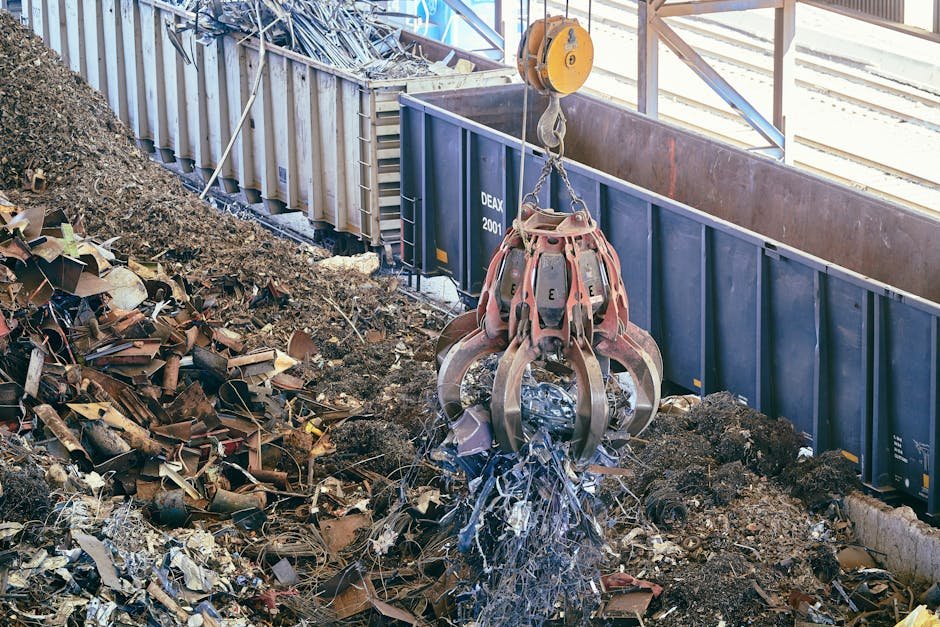

Navigating the current price per kilo for scrap metal can be complex, as the industry is driven by a sophisticated global ecosystem of supply, demand, and manufacturing requirements. Whether you are a trade professional clearing a worksite or a homeowner recycling household items, understanding how these values shift is essential for maximizing your profit. The Australian scrap market is deeply integrated with international trade, meaning that a shift in industrial production in Asia or a change in mining output in South America can directly impact the rate you receive at your local yard.
Understanding Market Dynamics and Pricing Factors
The scrap metal industry operates on a commodity-based model. Prices are not arbitrary; they are pegged to the London Metal Exchange (LME), which sets the benchmark for global metal values. When you look up the price per kilo for scrap metal, you are seeing a local reflection of these international benchmarks, adjusted for currency fluctuations (AUD vs USD), logistics, and domestic processing costs. Several core factors influence these rates:
- Global Demand: High industrial demand for raw materials, particularly in construction and electronics, drives up prices.
- Purity and Grade: Metals are graded by their level of contamination. A clean, bare bright copper wire will always fetch a higher price than copper mixed with plastic insulation or solder.
- Logistics and Transport: Because metal is heavy, the cost of moving it from the collection point to the processing facility is a significant factor. This is why you will often find that the best price for scrap metal near me depends on proximity to major processing hubs.
- Economic Cycles: During periods of high infrastructure spending, scrap steel demand rises, which in turn influences the price per tonne for ferrous materials.
For those looking to stay ahead of the curve, our Scrap Price Forecast Guide provides deep insights into the cyclical nature of these commodities. By tracking these trends, you can decide whether to hold onto your scrap until the market improves or sell immediately to capitalize on current highs.
The Hierarchy of Scrap: Understanding Metal Grades
Not all scrap is created equal. To get the best return, you must understand how recyclers categorize their intake. Metals are generally split into two primary categories: Ferrous and Non-Ferrous.
Ferrous Metals: These contain iron and are magnetic. This includes mild steel, carbon steel, and wrought iron. Because these are abundant, they are usually sold by the tonne rather than the kilo. While the price per kilo is lower, the sheer volume of these materials often makes them a lucrative part of a site cleanup.
Non-Ferrous Metals: These do not contain iron and are generally more valuable. This group includes copper, aluminium, brass, lead, and stainless steel. Within these categories, grades are strictly enforced. For example, when looking at a Stainless Steel Scrap Price, you will notice that grade 316 (which contains molybdenum) is worth significantly more than grade 304 due to its corrosion resistance and industrial utility. Similarly, if you have high-grade copper, separating it from lower-grade brass or “dirty” copper will significantly increase your payout. Always consult a professional scrap metal recycling platform to ensure you are sorting your materials correctly.
How Recycling Works: From Collection to Commodity
The journey of a piece of scrap metal is a fascinating example of the circular economy. Once you drop off your metal at a yard, the process begins with weighing and inspection. Advanced facilities use X-ray fluorescence (XRF) analyzers to determine the exact chemical composition of the metal, ensuring you are paid for the correct grade.
After inspection, the metal is processed. Ferrous metals are often shredded to remove non-metallic contaminants like plastic or rubber. Non-ferrous metals are often baled or granulated. Once processed, the material is sent to smelters where it is melted down and cast into ingots or billets. These are then sold back to manufacturers to be turned into new products, from building beams to smartphone components. By recycling, we drastically reduce the energy required to mine and refine virgin ore, which is a resource-intensive and environmentally damaging process.
Environmental Benefits and Sustainability
Recycling scrap metal is one of the most effective ways to reduce our carbon footprint. Mining virgin ore requires massive amounts of energy, water, and land clearing, often leading to habitat destruction and toxic runoff. In contrast, recycling aluminium, for instance, uses 95% less energy than producing it from bauxite ore. By choosing to sell your materials to a reputable scrap metal trading platform, you are directly contributing to a lower-carbon future. This is not just about the money; it is about keeping heavy metals out of landfills and ensuring that the finite resources of our planet are used efficiently.
Maximizing Your Returns: Tips for Sellers
To get the most out of your scrap, preparation is key. Here are some expert tips:
- Sort Your Metals: Never mix your metals. A bin of high-value copper contaminated with steel will be priced at the lowest common denominator.
- Clean Your Scrap: Remove non-metal attachments. If you are recycling an old appliance, remove the plastic casing, rubber seals, and glass. The cleaner the metal, the higher the grade.
- Monitor the Market: Use tools to track metal prices today. If you have a large volume, timing your sale can result in significant differences in your total profit.
- Find the Right Partner: Use resources like Sell Scrap Metal Near Me In 2026 to find yards that offer transparent pricing and accurate weighing services.
If you are dealing with specialized alloys, always check the stainless scrap metal price before heading to the yard, as these can be volatile. Remember that the price per kilo for scrap metal is a dynamic figure; a yard that offers a great price one week might be less competitive the next, so staying informed is your best defense against market fluctuations.
The Future of Metal Trading in Australia
As we move toward 2026 and beyond, the scrap industry is becoming more digitized. We are seeing a shift where transparency is becoming the norm. Digital platforms now allow sellers to see indicative pricing before they even leave their homes. This shift is empowering individuals and businesses to make better decisions about their waste management. The integration of blockchain for supply chain transparency and AI-driven market analysis is making the industry more efficient than ever before. As global regulations on carbon emissions tighten, the value of recycled metal as a “green” commodity will likely increase, potentially leading to higher long-term demand for high-quality scrap.
Strategic Planning for Businesses
For construction firms and demolition contractors, scrap metal is not just waste—it is a revenue stream. Implementing a site-wide waste management strategy that focuses on source separation can turn a cost center into a profit center. By training staff to identify different grades of metal at the point of demolition, you can significantly increase the average price per tonne you receive for your site clearances. Partnering with a dedicated recycling platform ensures that you have access to the latest market data and can schedule collections that align with your site’s operational needs, minimizing downtime and maximizing the value of your scrap inventory.
Conclusion: Taking Action Today
The scrap metal industry is a vital component of the Australian economy, bridging the gap between waste management and raw material production. By understanding the factors that influence the price per kilo for scrap metal, you can ensure that you are getting a fair deal while supporting a sustainable, circular economy. Whether you are dealing with a small batch of copper wire or a massive haul of industrial steel, the principles of sorting, cleaning, and timing your sale remain the same. Start by researching current rates, identifying your metal grades, and choosing a reputable recycler who values transparency. The market is constantly evolving, but with the right knowledge and the right partners, you can turn your scrap into a significant financial asset.
Frequently Asked Questions
For further clarity on the market, here are answers to common queries regarding the trade of scrap metal in Australia.
Related: best price for scrap metal near me
Frequently Asked Questions
Why does the price per kilo for scrap metal change so often?
Scrap metal prices are tied to global commodity markets, which fluctuate based on industrial demand, mining output, and currency exchange rates. Because the Australian market is export-reliant, local prices must adjust daily to reflect these international shifts.
What is the most valuable scrap metal to collect?
Copper is consistently the most valuable common scrap metal due to its high demand in electrical and plumbing industries. Other high-value metals include brass, stainless steel, and certain grades of aluminium.
How can I ensure I get the best price at a scrap yard?
The best way to maximize your return is to separate your metals by type and grade before arriving at the yard. Clean your scrap by removing non-metallic attachments like plastic, wood, or rubber to ensure you are paid for the highest possible grade.
Does it matter if my scrap metal is dirty or rusted?
Yes, contamination and oxidation can lower the grade of your metal. While rust on ferrous metals like steel is often expected, heavy contamination with other materials will result in a lower price per kilo compared to clean, pure scrap.