

Navigating the complex landscape of the Australian recycling industry requires a solid understanding of how the scrap steel cost per ton is calculated. Whether you are an industrial manufacturer, a demolition contractor, or a private collector, knowing the value of your materials is essential for maximizing returns. Steel is the most recycled material on the planet, and its value is intrinsically linked to the global supply chain, local infrastructure projects, and the energy costs associated with refining ferrous metal.
Understanding the Drivers of Scrap Steel Prices
The market for scrap metal is highly dynamic. When you research the current scrap metal steel prices per ton, you are essentially looking at a snapshot of a global commodity market that reacts instantly to geopolitical shifts, manufacturing output, and mining production. In Australia, the price is heavily influenced by the demand from major export markets in Asia, particularly for high-quality, processed steel. Domestic demand also plays a role, especially when large-scale infrastructure projects require recycled mild steel for new construction.
Several factors dictate the price you receive at the weighbridge. First, the grade of the material is paramount. A clean load of structural steel will command a higher price than mixed, contaminated light-gauge scrap. Second, the volume of your load matters; bulk quantities often allow for better freight efficiencies. Third, the preparation level—whether the material is cut to size, baled, or shredded—significantly impacts processing costs at the yard. For those looking for professional solutions, our Steel Scrap Baling Processing Services Australia can help convert bulky, low-density scrap into high-value, transportable commodities.
Categorizing Scrap: Grades and Specifications
Not all steel is created equal. To get the best value, you must know how to identify and sort your materials. The industry relies on standardized grading to ensure that mills receive the exact chemistry they require for their furnaces. Understanding the difference between Steel Scrap Grading 1 Prepared 2 Prepared Shredded is crucial for any serious recycler. Grade 1 prepared steel is typically heavy melting steel, free of contaminants and cut to specific dimensions, making it ideal for immediate furnace charging.
Beyond structural steel, you will encounter various forms of sheet metal, which often falls into lower-value categories due to its high surface-area-to-volume ratio, which leads to higher oxidation rates and melting losses. If you are dealing with high-alloy materials, you should also investigate the current Stainless Steel Scrap Price, as these grades contain valuable elements like nickel and chromium, which trade at significantly higher premiums than standard carbon steel. Always consult with a professional scrap metal trading platform to ensure your materials are graded accurately before sale.
The Environmental and Economic Impact of Recycling
Recycling steel is a pillar of the circular economy. By choosing to recycle, you are directly reducing the need for virgin iron ore mining, which is energy-intensive and environmentally disruptive. Producing steel from scrap consumes up to 75% less energy than producing it from raw iron ore. Furthermore, it significantly reduces carbon emissions, water usage, and waste generation. In Australia, the recycling industry is a vital component of meeting our national sustainability targets.
From an economic perspective, the scrap steel cost per ton serves as a signal to the market. High prices encourage the recovery of steel that might otherwise end up in landfills, while low prices can sometimes lead to stockpiling. By integrating your operations with a reliable partner like Scrap Trade Australia, you ensure that your materials are processed according to the highest environmental standards, contributing to a more sustainable future while optimizing your financial outcomes.
How the Recycling Process Works
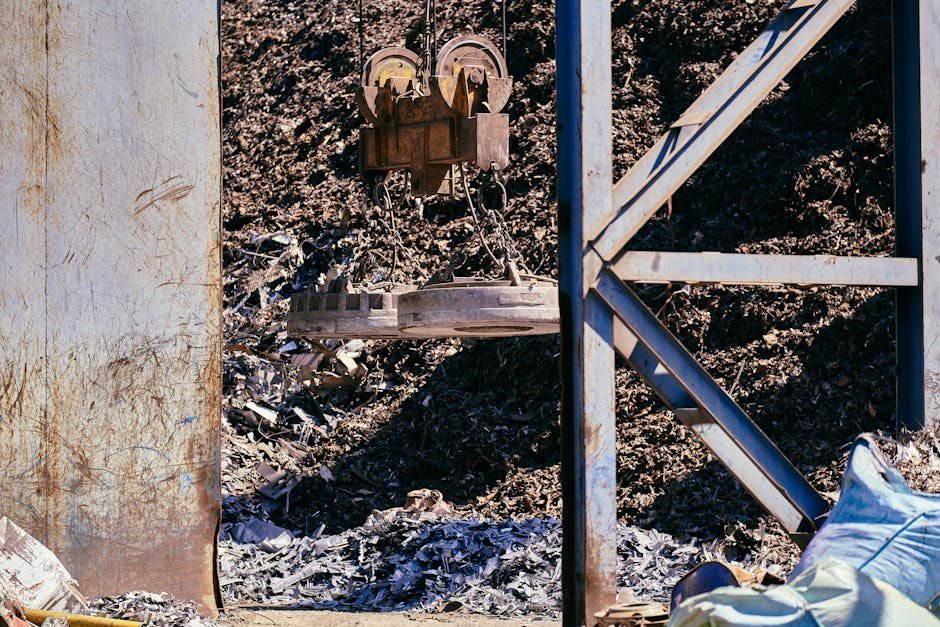
The journey from scrap to new steel is a fascinating industrial process. It begins with collection and sorting. Once the scrap arrives at the facility, it is inspected for contaminants such as plastic, rubber, or non-ferrous metals like copper and aluminum. Magnetic separators are used to isolate ferrous metal from the mix. Once sorted, the steel is processed. This may involve shearing, torch cutting, or shredding.
For high-volume scrap, baling is often the preferred method. Baling compresses the steel into dense cubes, which are easier to store and transport. This process is essential for making the logistics of scrap metal viable across long distances. Once processed, the scrap is shipped to steel mills, where it is melted in an Electric Arc Furnace (EAF) or a Basic Oxygen Furnace (BOF). The molten metal is then refined, alloyed, and cast into new products, ranging from rebar for construction to automotive components and household appliances.
Maximizing Your Returns: Practical Tips
To ensure you are getting the best market rate, preparation is key. First, keep your scrap clean. Contamination is the single biggest factor in price reduction. If your steel is mixed with wood, concrete, or hazardous waste, the buyer will have to deduct the cost of removal from your payout. Second, sort your grades. Don’t mix heavy plate steel with thin sheet metal; by separating them, you can often negotiate a better price for the high-quality portion of your load.
Third, understand the market cycle. While you cannot control global prices, you can choose when to sell. If you have the storage capacity, holding onto your scrap during a market dip can pay off when prices rebound. Finally, build a relationship with a reputable buyer. Transparency is vital in this industry. If you are unsure about the value of your specific materials, such as the cost of scrap stainless steel, ask for a breakdown of the grading. A professional buyer will be happy to explain how they arrived at their offer.
The Future of Steel Recycling in Australia
As the world moves toward net-zero emissions, the demand for recycled steel is expected to grow. Steel mills are increasingly transitioning to EAF technology, which relies heavily on scrap rather than iron ore. This shift is placing a premium on high-quality, clean scrap metal. Australia is well-positioned to benefit from this trend, provided we continue to invest in advanced processing infrastructure and efficient collection networks.
Technology is also playing a larger role. Spectrometry, for example, allows for the precise identification of alloy compositions, ensuring that high-value scrap is not downgraded. Digital trading platforms are bringing more transparency to the market, allowing sellers to track prices in real-time and find the best buyers for their specific material types. As these technologies mature, the process of selling your scrap will become faster, more transparent, and more profitable.
Safety and Compliance in Scrap Handling
Operating in the scrap metal industry comes with significant responsibilities regarding safety and environmental compliance. Handling heavy metals requires specialized equipment and rigorous training to prevent injuries. Furthermore, environmental regulations in Australia are strict; scrap yards must manage potential pollutants like oil, lead-acid batteries, and refrigerants that might be hidden within scrap machinery.
When you choose a recycling partner, ensure they are fully licensed and compliant with state and federal regulations. This not only protects you from potential legal liabilities but also ensures that your scrap is being handled in a way that minimizes environmental harm. Always ask for documentation regarding the disposal and recycling of your materials. A professional operation will have clear protocols for every step of the process, from the moment the scrap is dropped off to its final delivery at the steel mill.
Conclusion: Navigating the Market with Confidence
The scrap steel cost per ton is more than just a number; it is a reflection of a global industrial ecosystem. By understanding the grades, the processing methods, and the environmental benefits of recycling, you can transition from a casual seller to an informed participant in the circular economy. Whether you are dealing with mild steel, industrial sheet metal, or specialized alloys, the key to success is preparation, sorting, and partnering with the right experts.
Remember that the market is always moving. Stay informed by tracking industry news, monitoring commodity indices, and maintaining open communication with your scrap metal buyer. By applying the principles outlined in this guide, you can ensure that your recycling efforts are both environmentally responsible and financially rewarding. As the Australian economy continues to evolve, the value of your scrap will only become more significant, making now the perfect time to optimize your recycling practices.
Related: Steel Scrap Grading 1 Prepared 2 Prepared Shredded
Related: cost of scrap stainless steel
Related: scrap metal steel prices per ton
Frequently Asked Questions
What is the primary factor that changes the scrap steel cost per ton?
The primary factor is the global market demand for steel, which influences the price of raw materials. Additionally, the grade, cleanliness, and preparation of your scrap metal significantly impact the final price offered by recyclers.
Why is it important to separate different grades of steel?
Separating grades ensures that high-value metals are not downgraded to the price of lower-quality scrap. Mills require specific chemical compositions, and pre-sorted, clean scrap is worth significantly more than mixed, contaminated loads.
How does recycling steel help the environment?
Recycling steel reduces the need for energy-intensive iron ore mining and processing. It saves up to 75% of the energy required for virgin production and significantly lowers carbon emissions and landfill waste.
What should I do before bringing my scrap steel to a yard?
You should sort your materials by grade, remove any non-metallic contaminants like wood or plastic, and call ahead to confirm current pricing. Preparing your scrap by cutting it to manageable sizes can also help you secure a better rate.