
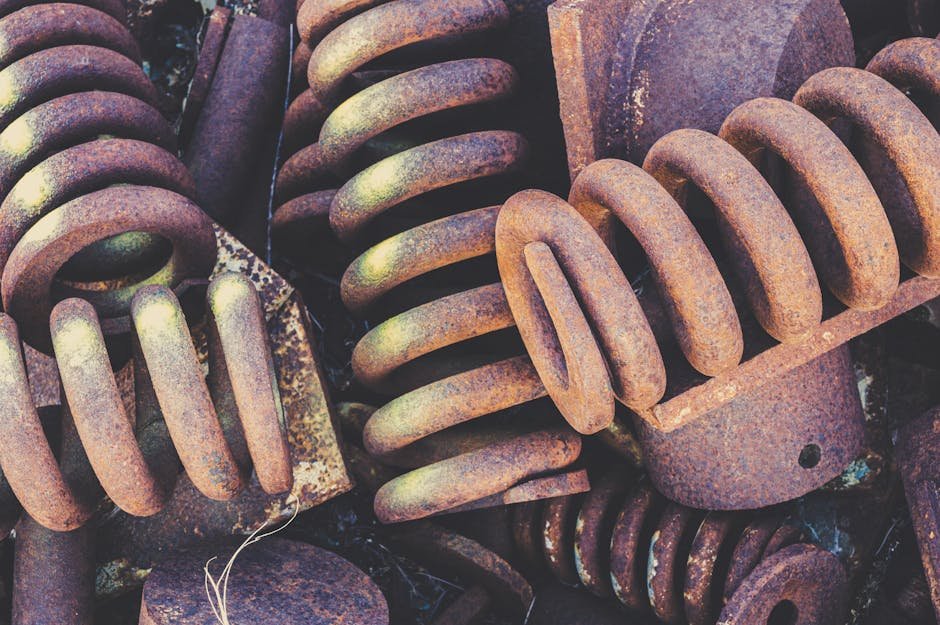

Navigating the complex landscape of scrap cast iron prices requires an understanding of both local Australian market dynamics and global commodity trends. As a foundational material in heavy industry, cast iron remains a critical component of the circular economy. Whether you are a demolition contractor, a workshop owner, or a scrap metal collector, knowing how to value your inventory is essential for profitability. In this comprehensive guide, we explore the nuances of pricing, the classification of scrap grades, and the logistical realities of the Australian recycling sector.
Understanding the Drivers of Market Rates
The Australian scrap metal market is inextricably linked to global industrial demand. When you look up Scrap Prices, you are viewing a snapshot of a highly volatile market influenced by steel production in Asia, mining output, and local manufacturing requirements. The iron price per kg is not a static number; it is a moving target determined by the LME (London Metal Exchange) and local competition. Ferrous scrap, which includes cast iron, is the backbone of the recycling industry because it is infinitely recyclable without losing its metallurgical properties.
Several factors dictate the current scrap prices you see at your local yard. First, the cost of logistics—transporting heavy, dense cast iron from the source to the processing facility—is a major overhead. Second, the purity of the material is paramount. Cast iron that is contaminated with non-metallic attachments, such as concrete, rubber, or plastic, will be heavily downgraded. Third, the volume of your supply matters. Bulk quantities often command a better price per tonne because they provide economies of scale for the recycler. For those tracking the industry closely, checking iron and steel scrap prices provides a broader context for how cast iron fits into the wider ferrous market.
The Classification of Cast Iron Grades
Not all cast iron is created equal. To maximize your return, you must understand how recyclers grade material. In the Iron Scrap Group, cast iron is typically separated from light steel or sheet metal because it has a higher carbon content, making it brittle and easier to break down in a furnace. Common grades include:
- Machinery Cast: This includes engine blocks, heavy industrial machinery parts, and large castings. It is highly sought after due to its density and relative purity.
- Burnt Cast: Cast iron that has been exposed to extreme heat, such as fire grates or wood stove parts. This is often lower in value because the heat changes the chemical composition, making it harder to process.
- Motor Blocks: These are a specific category often handled separately due to the presence of aluminum, oil, and other fluids that must be drained before the iron can be melted.
- Pipe/Soil Cast: Older, heavy-duty drainage pipes. While durable, these often contain rust and debris, which impacts the final price per kg.
Distinguishing between these grades is a skill that separates professional scrap dealers from casual collectors. When you monitor iron scrap prices today, always ensure you are comparing like-for-like grades to get an accurate assessment of your material’s value.
How Recycling Works: From Yard to Furnace
The journey of a piece of scrap cast iron from a demolition site to a new product is a testament to modern engineering. Once the scrap reaches a facility like the ones managed by Scrap Trade Australia, it undergoes a rigorous sorting process. Large shears and hydraulic crushers are used to break down oversized items into manageable pieces. Magnetic separation is then employed to pull ferrous materials away from non-ferrous contaminants. This ensures that the final product is as pure as possible, which is essential for maintaining the integrity of the new steel or iron being cast.
After processing, the scrap is baled or kept in loose form, depending on the requirements of the smelter. It is then transported to an electric arc furnace (EAF). Unlike blast furnaces that rely heavily on iron ore, EAFs are designed to melt scrap metal, significantly reducing the energy required for production. By recycling cast iron, we reduce the need for mining virgin iron ore, which is an energy-intensive and environmentally taxing process. This is the core of the circular economy: keeping materials in use for as long as possible.
Environmental Benefits and Sustainability
The environmental impact of recycling cast iron cannot be overstated. Every tonne of recycled scrap iron saves approximately 1.5 tonnes of iron ore, 0.5 tonnes of coal, and 40% of the water typically used in the production process. Furthermore, the carbon footprint of producing steel from scrap is drastically lower than producing it from raw ore. When you research scrap cast iron prices, you are not just looking at a financial transaction; you are participating in a global effort to reduce industrial carbon emissions.
Australia is a significant exporter of ferrous scrap, and our local recycling infrastructure plays a vital role in the global supply chain. By diverting heavy metal waste from landfills, we prevent soil and water contamination while conserving valuable landfill space. For businesses, adopting a robust scrap management policy is not only a way to recoup costs through Scrap Metal Prices, but it is also a key component of ESG (Environmental, Social, and Governance) reporting.
Practical Tips for Maximizing Returns
To get the best possible market rate for your scrap, preparation is key. First, keep your scrap clean. Remove any non-metallic attachments like bolts, plastic handles, or concrete. A load of “dirty” cast iron will be priced significantly lower than a load of “clean” cast iron. Second, sort your metals before you arrive at the yard. Mixing cast iron with light steel or aluminum will result in the entire load being graded at the lowest common denominator price. Third, build a relationship with your local scrap merchant. Consistent suppliers who bring in high-quality, sorted material are often treated as preferred clients and may receive better pricing.
Stay informed about metal prices today by utilizing digital tools and platforms that provide real-time market updates. Remember that local transport costs can eat into your profit margin, so consider the distance to the yard when planning your collection. If you have a large volume of scrap, inquire about bin services or collection pickups, which can offset the labor costs of transporting heavy materials yourself.
The Future of Ferrous Scrap in Australia
The future of the scrap industry is increasingly digital and transparent. As demand for sustainable manufacturing grows, the value of high-quality, traceable scrap will likely rise. We are seeing a shift toward more advanced sorting technologies, such as X-ray fluorescence (XRF) scanners, which allow recyclers to identify the exact alloy composition of a piece of metal in seconds. This precision allows for higher-value recycling, ensuring that cast iron is not just melted down into low-grade steel, but repurposed into high-specification components.
Additionally, policy changes in Australia regarding waste exports are pushing the industry to process more material domestically. This is creating new opportunities for local foundries and recycling facilities to innovate. As we move toward a more circular economy, the role of the scrap metal dealer is evolving from a simple middleman to a crucial partner in industrial supply chains. By understanding the market forces at play, you can position yourself to benefit from these shifts.
Comparing Wrought Iron vs. Cast Iron
It is common for beginners to confuse cast iron with wrought iron. While both are ferrous metals, their properties and market values differ. Wrought iron is fibrous, malleable, and tough, historically used for gates, railings, and decorative furniture. Cast iron, by contrast, is hard, brittle, and contains a higher percentage of carbon. Because wrought iron is relatively rare in the modern scrap market, it is often treated as a specialty item. When you are sorting your scrap, look for the tell-tale signs: cast iron is usually brittle and will snap if hit with a hammer, whereas wrought iron is more likely to bend. Identifying the difference can prevent you from mislabeling your scrap and potentially missing out on higher-value opportunities.
Conclusion: The Value of Strategic Recycling
The market for scrap cast iron is a sophisticated ecosystem that rewards those who take the time to understand its mechanics. From the global demand that dictates the price per tonne to the local sorting practices that determine your specific payout, every detail matters. By focusing on quality, staying informed about market fluctuations, and leveraging the right industry connections, you can turn your scrap metal into a reliable revenue stream. As Australia continues to prioritize environmental sustainability, the importance of efficient, high-quality metal recycling will only increase. Use the resources available at Scrap Trade to stay ahead of the curve and ensure you are getting the most value out of your ferrous scrap.
Frequently Asked Questions
What is the main difference between cast iron and steel scrap?
Cast iron has a much higher carbon content than steel, making it harder and more brittle. Recyclers separate them because they require different processing methods in the furnace.
How can I get the best price for my scrap cast iron?
The best way to maximize your return is to ensure the material is clean, free of non-metallic contaminants like concrete or rubber, and properly sorted by grade before delivery.
Do scrap metal prices change daily?
Yes, scrap prices are highly volatile and can fluctuate based on global commodity markets, currency exchange rates, and local supply and demand dynamics.
Why is it important to separate cast iron from other metals?
Separating metals ensures that the recycler can process the material efficiently. Mixing metals often results in the entire load being downgraded to the value of the cheapest material present.