
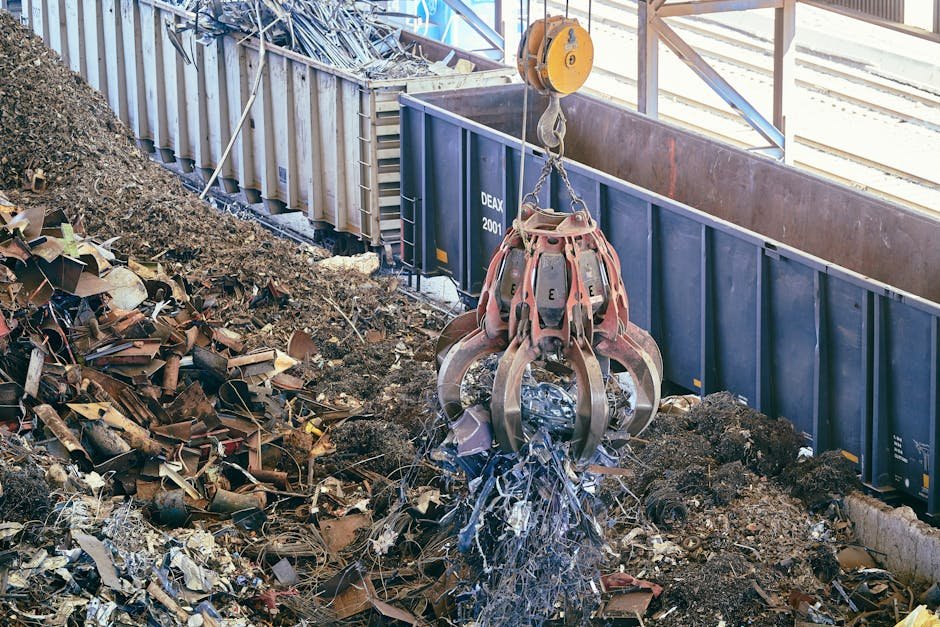

Understanding the current scrap metal price list is the first step toward maximizing the return on your industrial, commercial, or residential metal waste. In the Australian recycling landscape, the value of scrap is not static; it is a reflection of a complex global supply chain. Whether you are a trade professional or a homeowner looking to clear out a shed, knowing how to interpret market trends is essential. By staying informed about the Scrap Price Forecast Guide, you can time your sales to align with peak market conditions.
How Scrap Metal Prices Are Set in Australia
The price you receive at the weighbridge is rarely arbitrary. It is tethered to the London Metal Exchange (LME), where commodities like copper, aluminium, and nickel are traded globally. When you look at a scrap metal price list, you are seeing a localized version of these international benchmarks, adjusted for domestic logistics, processing costs, and currency fluctuations. The AUD/USD exchange rate plays a significant role, as most metal commodities are priced in US dollars. When the Australian dollar is strong, local scrap prices often see a boost, whereas a weaker dollar can compress margins.
Beyond the LME, regional demand dictates the local market rate. For instance, if a major construction project in Sydney or Melbourne requires vast amounts of steel, the local demand for scrap steel will rise, driving up the price per tonne. Conversely, when global manufacturing slows, demand for raw scrap decreases, leading to a cooling effect on prices. Understanding these dynamics helps you decide when to hold or sell your inventory.
Factors Affecting the Cost and Value of Scrap
Several variables contribute to the final price per kg you receive. First and foremost is the purity of the metal. “Clean” scrap—material free from plastic, rubber, insulation, or other metal contaminants—always commands a higher price. If a yard has to spend time and energy removing impurities, those costs are deducted from your payout.
Volume is another critical factor. Professional recyclers and industrial clients who can provide consistent, high-tonnage loads often negotiate better rates than individuals bringing in small quantities. Logistics also play a part; the cost of transporting heavy metals to processing facilities is significant. If you are looking for the best price for scrap metal near me, consider the distance to the yard and whether you have the equipment to transport the material safely and efficiently.
Market volatility is inherent in the scrap industry. It is common for prices to shift weekly or even daily. For those who want to track these changes, accessing a reliable scrap metal trading platform is vital to ensure you are not selling at a disadvantage during a market dip.
Understanding Metal Grades and Classification
To navigate any scrap metal price list, you must understand how metals are graded. Metals are generally categorized into Ferrous (containing iron) and Non-Ferrous (containing no iron). Non-ferrous metals, such as copper, brass, aluminium, and lead, are typically more valuable due to their scarcity and high demand for re-manufacturing.
Copper is the gold standard of the scrap world. Whether it is bright and shiny copper wire or copper piping, it consistently fetches the highest rates. Aluminium, while more abundant, is highly recyclable and essential for the automotive and aerospace industries. Stainless steel, on the other hand, requires specific grading based on its nickel and chromium content. You can learn more about specific valuations by checking the Stainless Steel Scrap Price before you head to the yard.
Sorting your scrap before you arrive is the most effective way to increase your payout. Mixing grades—such as putting low-value steel in with high-value copper—will result in the entire load being graded at the lower price. Always separate your materials into distinct bins or piles to ensure you receive the correct price per kilo for scrap metal.
The Environmental and Economic Benefits of Recycling
Metal recycling is a cornerstone of the circular economy. Unlike plastic, which often degrades in quality through the recycling process, metal can be melted down and reformed indefinitely without losing its physical properties. This makes it an infinitely sustainable resource. By choosing to recycle, you are reducing the need for destructive mining practices, which are energy-intensive and environmentally damaging.
Recycling aluminium, for example, uses approximately 95% less energy than producing new aluminium from bauxite ore. This massive energy saving translates into a significant reduction in carbon emissions. Furthermore, the scrap industry provides thousands of jobs across Australia, from collection and logistics to high-tech processing and smelting. When you use a professional service like Australian scrap metal recycling services, you are supporting a vital industry that keeps waste out of landfills and feeds the manufacturing sector with sustainable raw materials.
How the Recycling Process Works
The journey from your scrap pile to a new product is a fascinating industrial process. Once the metal arrives at the yard, it is weighed and inspected. It then undergoes a sorting process, often using magnets to separate ferrous from non-ferrous metals, and advanced X-ray fluorescence (XRF) technology to determine the exact alloy composition of high-value items.
After sorting, the metal is shredded or sheared into smaller pieces to make it easier to transport and process. It is then melted in massive furnaces. The molten metal is purified, and any remaining impurities are removed as slag. Finally, the metal is cast into ingots or billets, which are sold to manufacturers to create everything from new car parts and beverage cans to structural beams for skyscrapers. This closed-loop system is why the market rate for recycled metal remains a critical indicator of global economic health.
Strategic Tips for Sellers in 2026
As we move toward 2026, the scrap metal industry is becoming increasingly digitized. Sellers who leverage online tools to track market rates are consistently outperforming those who rely on outdated methods. If you are planning to offload a large quantity of scrap, timing is everything. Keep an eye on global trade agreements and infrastructure spending announcements, as these often signal a rise in demand for industrial metals.
Safety is also paramount. Always wear appropriate personal protective equipment (PPE) when handling scrap, especially when dealing with heavy items or sharp edges. Ensure your vehicle is rated for the weight you are carrying to avoid road safety issues. If you are looking to simplify the process, use digital platforms to Sell Scrap Metal Near Me In 2026, which can connect you with verified buyers and provide real-time pricing updates.
Finally, build a relationship with your local scrap yard. Regular sellers who provide clean, well-sorted material are often prioritized and may be offered better rates or faster service. Don’t be afraid to ask the yard manager about their specific requirements for materials; they will often provide guidance on how to strip wires or prepare heavy machinery to ensure the highest possible return.
Conclusion: Navigating the Market with Confidence
The scrap metal industry is a dynamic and essential sector that bridges the gap between waste management and raw material production. By understanding the factors that influence the scrap metal price list, you can transform what many consider to be “junk” into a valuable asset. Whether you are dealing with copper, steel, or specialty alloys, the key to success lies in preparation, sorting, and staying informed about market conditions.
Remember that the value of your scrap is tied to global demand. By utilizing resources like the Scrap Price Forecast Guide and ensuring your materials are clean and properly categorized, you can maximize your earnings. As we look toward the future of the circular economy in Australia, your participation in the recycling process is not just a financial decision—it is a contribution to a more sustainable and resource-efficient future. Start sorting your scrap today, keep an eye on the daily market rates, and take advantage of the opportunities available in the thriving Australian metal recycling market.
Related: price per kilo for scrap metal
Frequently Asked Questions
Why do scrap metal prices change so often?
Scrap metal prices are tied to the London Metal Exchange and global supply and demand. Factors like currency exchange rates, industrial manufacturing output, and global political stability cause these prices to fluctuate daily.
How can I get the best price for my scrap?
The best way to increase your payout is to clean your metal of contaminants like plastic or rubber and sort it by type. High-volume, well-sorted loads are almost always valued higher than mixed, dirty scrap.
What is the difference between ferrous and non-ferrous metal?
Ferrous metals contain iron and are generally magnetic, such as steel and iron. Non-ferrous metals do not contain iron and are typically more valuable, including copper, aluminium, brass, and lead.
Is it worth recycling small amounts of scrap metal?
While small amounts may not yield significant cash, recycling is still environmentally beneficial and keeps waste out of landfills. For the best financial return, it is recommended to accumulate a larger volume before visiting a yard.