

Navigating the complex world of industrial recycling requires finding a reliable scrap steel buyer who can offer fair market rates and professional handling of your materials. Whether you are a construction firm clearing a site or a manufacturing plant managing production offcuts, understanding how the market functions is essential to maximizing your returns.
Understanding Ferrous Metals and Market Dynamics
At the heart of the recycling industry lies the distinction between ferrous and non-ferrous materials. Ferrous metal contains iron, making it magnetic and prone to oxidation. In the Australian market, the most common forms encountered are mild steel and sheet metal. The value of these materials is dictated by the global steel price per tonne, which fluctuates based on demand from major manufacturing hubs, energy costs, and the availability of raw iron ore.
When you engage a professional scrap steel buyer, they aren’t just taking your waste; they are sourcing raw materials for steel mills. These mills use electric arc furnaces to melt down scrap, which is significantly more energy-efficient than refining virgin iron ore. Because of this, the demand for high-quality, clean scrap remains consistently high. Understanding the difference between industrial grades is the first step in ensuring you get paid correctly for your load.
The Importance of Proper Grading
Not all steel is created equal. To ensure efficiency in the melting process, scrap is categorized into specific grades. For those looking to optimize their scrap management, it is vital to understand the nuances of Steel Scrap Grading 1 Prepared 2 Prepared Shredded. These grades dictate the processing requirements and, consequently, the price you receive.
Grade 1 prepared steel generally consists of heavy, clean material that fits within specific size dimensions, allowing it to be fed directly into a furnace. Grade 2 often includes lighter or slightly larger pieces that require additional shearing or torch cutting. Shredded scrap, on the other hand, consists of processed, uniform pieces—often from end-of-life vehicles—that are highly sought after for their density and purity. By separating your materials correctly at the source, you can significantly increase the value of your shipment.
Finding a Trusted Dealer in Australia
Finding a scrap steel buyer that operates with transparency is critical. In a market where prices can shift daily, you need a partner who provides clear documentation and weight verification. When searching for where to find these services, prioritize companies that offer digital weighbridge tickets and transparent pricing structures.
If you are operating in a major metropolitan area, you need specialized logistics. For those requiring a Heavy Steel Scrap Buyer Sydney Melbourne Brisbane Perth, it is important to look for firms that provide bin services and scheduled pickups. Regional variations also exist; for instance, if you are looking for a scrap steel buyer in perth, ensure the dealer has the capacity to handle large-scale demolition or industrial clearance projects efficiently.
For those dealing with specialized materials, identifying a reputable stainless steel scrap buyer is equally important. Stainless steel contains chromium and nickel, making it significantly more valuable than standard mild steel. Always check the Stainless Steel Scrap Price before finalizing a sale to ensure your quote aligns with current market conditions.
The Recycling Process: From Site to Smelter
The journey of scrap metal is a sophisticated industrial process. Once your chosen metal buyer collects the material, it is transported to a processing facility. Here, the material is inspected for contaminants, such as plastics, rubber, or hazardous fluids. This is why keeping your scrap clean is so important—excessive contamination can lead to downgraded pricing or rejection of the load.
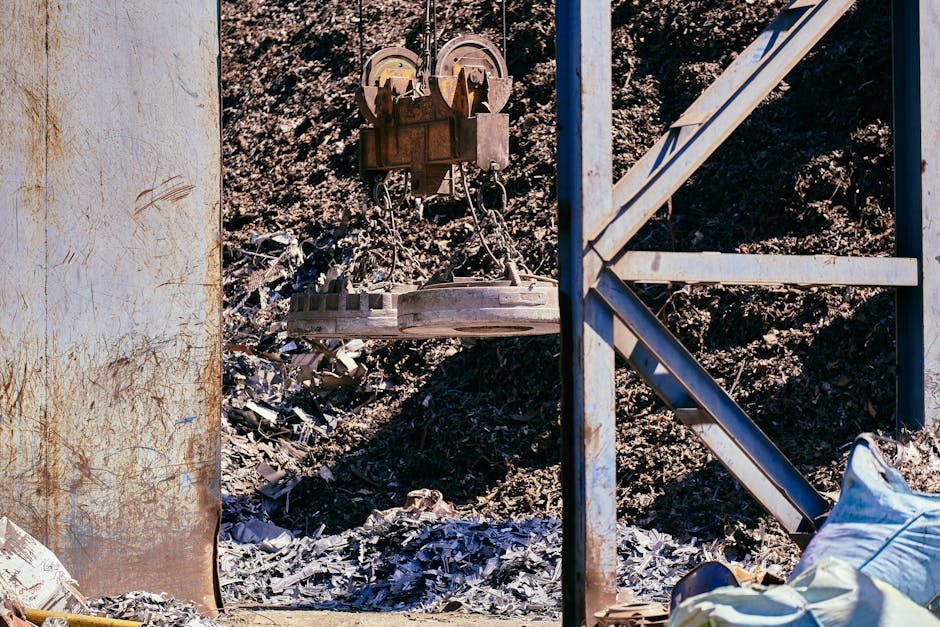
After inspection, the metal is processed using industrial shears, hydraulic balers, or shredders. Shredding is particularly effective as it uses heavy-duty magnets to separate ferrous metals from non-ferrous materials and other residues. Once sorted and processed, the steel is baled into dense cubes for transport to steel mills. You can learn more about the broader trade landscape by visiting the premier scrap metal trading platform or exploring resources at the official Australian scrap trade network.
Environmental Benefits of Steel Recycling
Recycling steel is one of the most effective ways to reduce industrial carbon footprints. Producing new steel from virgin ore is an energy-intensive process that involves mining, transporting, and smelting. Conversely, recycling existing steel requires significantly less energy—often up to 75% less—and drastically reduces greenhouse gas emissions.
By choosing a responsible scrap steel buyer, you are contributing to a circular economy. Every tonne of recycled steel saves approximately 1.5 tonnes of iron ore, 0.5 tonnes of coal, and 40% of the water used in production. For businesses, this is not just an environmental win; it is a way to meet ESG (Environmental, Social, and Governance) targets and improve corporate sustainability reporting.
Logistics and Site Management Tips
To maximize your returns, logistics play a major role. If you are producing large volumes of scrap, consider the footprint of your storage area. Using dedicated bins for different grades of metal prevents cross-contamination and makes it easier for your buyer to provide an accurate quote. Always ensure that your site is accessible for heavy vehicles and that you have a clear plan for loading.
Communication with your buyer is key. If you have a large demolition project, provide photos and an estimated tonnage to your buyer in advance. This allows them to allocate the right equipment, such as excavators with magnets or specialized crane trucks, ensuring the pickup process is seamless and safe. Safety is paramount in this industry; ensure all workers on-site are familiar with the hazards of handling sharp metal and heavy machinery.
Market Trends and Future Outlook
The steel industry is currently undergoing a transformation driven by decarbonization efforts. As global manufacturers move toward “green steel,” the demand for high-quality, pre-sorted scrap is expected to rise. This shift is likely to create a premium for clean, high-grade ferrous scrap, making it even more important for suppliers to maintain high standards of material separation.
Technological advancements in sorting, such as X-ray fluorescence (XRF) and advanced sensor-based sorting, are allowing buyers to identify metal alloys with extreme precision. As these technologies become more accessible to local dealers, the accuracy of pricing will improve, benefiting both the buyer and the seller. Keeping an eye on these trends will help you stay ahead of the curve and maximize the long-term value of your scrap assets.
Conclusion
Selecting the right partner for your metal recycling needs is a strategic business decision. By understanding the grades, monitoring market prices, and working with trusted, transparent buyers, you can turn a waste management challenge into a revenue stream. Whether you are dealing with small quantities of sheet metal or massive structural steel projects, the principles of proper sorting and professional partnership remain the same. Ensure you are working with a company that values safety, integrity, and environmental stewardship to get the most out of your scrap steel assets.
Frequently Asked Questions
How is the price of scrap steel determined?
Scrap steel prices are primarily determined by global commodity markets, the specific grade of the steel, and the volume of the material. Local factors like transport costs and current demand from domestic steel mills also play a significant role.
What is the difference between ferrous and non-ferrous scrap?
Ferrous metals contain iron and are magnetic, such as mild steel and sheet metal. Non-ferrous metals, like copper, aluminum, and brass, do not contain iron and are generally more valuable due to their resistance to corrosion and specific industrial applications.
How can I ensure I get the best price for my scrap?
To get the best price, keep your scrap clean and free of contaminants like plastic, wood, or hazardous waste. Properly sorting your metals by grade before collection will significantly increase the value of your load.
Does recycling steel actually help the environment?
Yes, recycling steel is highly beneficial as it saves energy, reduces the need for mining virgin iron ore, and lowers carbon emissions. It is a cornerstone of the circular economy, allowing steel to be reused indefinitely without losing its structural properties.