
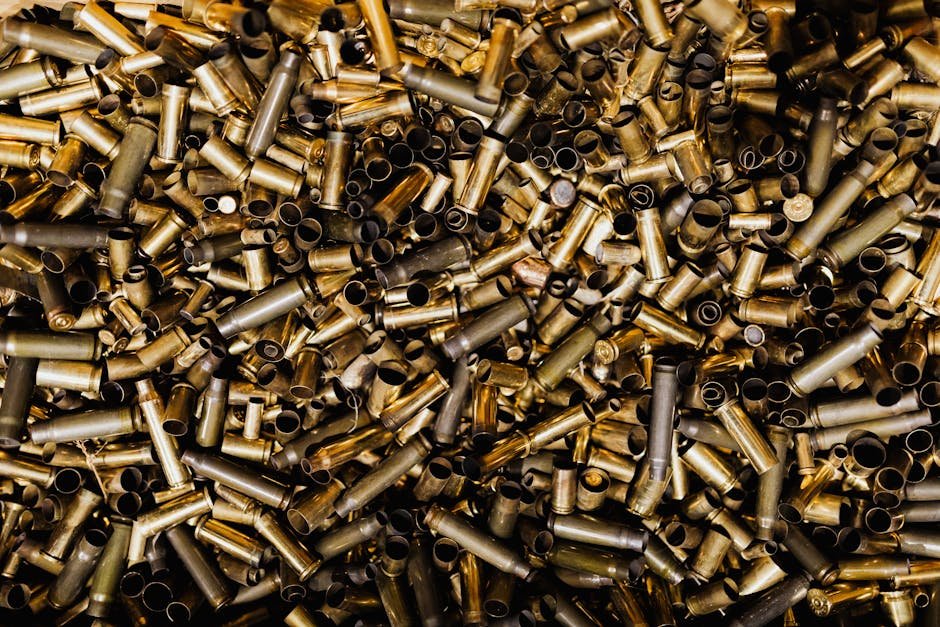

Navigating the volatile world of scrap brass prices per kg requires a blend of market awareness and an understanding of metallurgical grading. For traders, plumbers, and industrial recyclers across Australia, knowing the value of your scrap is the first step toward maximizing returns on your metal collections. Whether you are holding a stockpile of brass fittings or clearing out a commercial site filled with brass pipe, the current market value is dictated by a complex interplay of supply, demand, and the purity of the material you bring to the yard.
Understanding How Scrap Brass Prices Are Set
The pricing mechanism for non-ferrous metals like brass is not arbitrary; it is tethered to global commodity exchanges, most notably the London Metal Exchange (LME). Because brass is an alloy primarily composed of copper and zinc, its value is intrinsically linked to the metal prices today for these two base metals. When copper prices rise, brass prices almost invariably follow suit. However, the exact price per kg you receive at a local yard is also influenced by domestic factors, including logistics, processing costs, and the specific demand from Australian smelters and international export markets.
Refining the value of your scrap involves looking beyond the raw LME price. Recyclers must account for the cost of sorting, cleaning, and melting the metal down into transportable ingots. If you are looking for the most up-to-date data, you can check our Scrap Prices page, which is updated regularly to reflect market shifts. It is also helpful to compare these against broader Scrap Metal Prices to understand how brass sits within the hierarchy of recyclable materials, such as copper, lead, or even scrap aluminium prices per kg.
The Factors Influencing Scrap Brass Value
Several variables determine the final scrap brass prices per kg offered by a recycling facility. First and foremost is the purity of the scrap. “Clean” brass, which is free of contaminants like paint, solder, plastic, or excessive iron attachments, will always command a premium. If your brass is “dirty”—meaning it has steel screws, rubber seals, or plastic valves attached—the yard must spend time and energy removing these impurities. This extra labor is deducted from the payout price.
Market demand is another critical factor. In Australia, the construction and automotive industries are the primary consumers of recycled brass. When these sectors are booming, the demand for brass feedstock increases, driving up the price per tonne. Conversely, during economic slowdowns, demand may soften, leading to lower prices. Furthermore, currency fluctuations play a role; since metal is traded globally in US dollars, a strong Australian dollar can sometimes dampen the local price, while a weaker dollar can make Australian scrap more attractive to international buyers. For those looking for local yard information, searching for Scrap Metal Prices Near Me is the most practical way to find a buyer who can offer competitive rates based on current regional demand.
Common Grades of Scrap Brass
To get the best price, you must understand the grading system. Not all brass is created equal. The most common grades include:
- Yellow Brass: This is the most common form, often found in household items, plumbing fixtures, and general hardware. It contains a higher percentage of zinc, giving it a characteristic yellow hue. It is usually the baseline for standard pricing.
- Red Brass (Gunmetal): This grade contains a higher copper content, often around 85%, making it more valuable than yellow brass. It is frequently found in high-pressure valves and marine hardware.
- Brass Radiators: These are specialized items that require careful handling. Because they often contain lead solder or steel frames, they are priced differently than clean brass solids.
- Turnings and Borings: These are the shavings created during machining processes. Because they are light, airy, and often contaminated with cutting oils, they typically fetch a lower price than solid brass pieces.
By sorting your material into these grades before heading to the yard, you ensure that you aren’t being paid the lowest common denominator price for a high-value batch of red brass. Always consult with a professional scrap metal trading platform to ensure you are classifying your materials correctly.
The Recycling Process: From Scrap to Commodity
The journey of a brass fitting from a demolition site to a new product is a testament to the efficiency of the circular economy. Once the scrap is collected, it undergoes a rigorous processing phase. First, it is inspected for contaminants. Radioactive materials or hazardous substances are screened out immediately. Next, the scrap is shredded or sheared to reduce its volume and make it easier to process.
Advanced magnetic separators are used to remove any ferrous metals (iron or steel) that might have been missed during the manual sort. Once the brass is clean, it is often melted in large industrial furnaces. The molten metal is then refined to remove impurities and adjusted with alloying elements to meet specific industry standards. Finally, it is cast into ingots or billets, which are sold to manufacturers to create new brass pipe, valves, or decorative hardware. This process is significantly more energy-efficient than mining virgin ore, which requires intensive extraction, crushing, and chemical processing. If you are interested in broader recycling trends, you can learn more at our Australian scrap trading hub.
Environmental and Economic Benefits
Recycling brass is a cornerstone of sustainable industrial practice in Australia. The primary environmental benefit is the massive reduction in energy consumption. Producing brass from recycled scrap requires up to 90% less energy than producing it from virgin copper and zinc ore. This translates to a significant reduction in greenhouse gas emissions and a smaller carbon footprint for the manufacturing sector.
Beyond energy, recycling preserves natural resources. Mining copper and zinc is a resource-heavy activity that can lead to habitat destruction and water contamination. By keeping brass in the supply chain, we reduce the need for new mining operations. Economically, the recycling industry provides thousands of jobs, from collection and logistics to processing and international trade. When you sell your scrap, you are not just making a profit; you are participating in a vital economic loop that supports local infrastructure and global sustainability goals. While brass is the focus here, remember that other metals contribute to this ecosystem, including lead-acid batteries, which you can read about in our guide on scrap batteries prices.
Practical Tips for Maximizing Your Returns
To ensure you are getting the most out of your scrap, follow these professional tips. First, keep your metals separated. Mixing brass with aluminium or steel will result in a lower “mixed metal” price. Second, keep it clean. Removing non-metallic attachments like plastic handles, glass, or rubber gaskets can significantly increase the value of your load. Third, store your scrap in a dry place. While brass is corrosion-resistant, oxidation can occur, and heavy debris or water weight can affect the accuracy of the scale.
Finally, build a relationship with your local yard. Large-scale traders who bring in consistent, well-sorted loads are often eligible for volume-based pricing or loyalty bonuses. When you call to ask about scrap brass prices per kg, be honest about the quantity and the condition of the material. A yard manager is more likely to give you a favorable rate if they know they are receiving high-quality, pre-sorted material that requires minimal additional processing on their end.
Future Outlook of the Brass Market
The future of the brass market is increasingly tied to the global transition toward green energy and circularity. As manufacturers move toward more sustainable production methods, the demand for high-quality recycled brass is expected to grow. We are seeing increased interest in “closed-loop” systems where manufacturers take back their own offcuts and turn them into new components. This trend is likely to stabilize prices and reduce the reliance on volatile raw material markets.
Furthermore, technological advancements in optical sorting and AI-driven recycling facilities are making it easier to identify and separate different alloys, which will lead to higher purity levels in recycled output. For the individual trader or small business, this means that the importance of sorting will only increase. Staying informed about these trends will help you position your scrap collection strategy for long-term success. Keep monitoring our market updates to stay ahead of the curve and understand how global shifts in manufacturing will impact your local bottom line.
Conclusion: The Value of Responsible Recycling
Understanding the nuances of scrap brass prices per kg is more than just a way to make extra money—it is an essential skill for anyone involved in the metal trade. By recognizing the difference between grades, understanding the market forces that drive prices, and prioritizing the cleanliness of your scrap, you ensure that you are getting the best possible return on your investment. Recycling is a powerful tool for environmental stewardship and economic efficiency, and every kilogram of brass that is diverted from a landfill and returned to the manufacturing stream contributes to a more sustainable future for Australia.
Whether you are a professional tradesperson or a homeowner cleaning out the shed, the principles remain the same: sort, clean, and stay informed. Use the resources provided by our platform to track market changes and find the best partners for your recycling needs. By treating scrap metal as a valuable commodity rather than waste, you contribute to a robust, circular economy that benefits everyone.
Frequently Asked Questions
What is the difference between yellow and red brass?
Yellow brass contains more zinc and is typically found in general household hardware, while red brass contains more copper and is used for high-pressure valves and marine components. Red brass is generally more valuable due to its higher copper content.
How can I get the highest price for my brass scrap?
To get the highest price, ensure your brass is clean and free of contaminants like steel screws, plastic, or rubber. Sorting your brass by grade before taking it to the yard will also help you secure the best possible rate.
Does the price of brass change daily?
Yes, scrap brass prices can fluctuate daily based on global metal exchange benchmarks and local demand. It is recommended to check current market prices just before you plan to sell your material.
Why is my brass scrap considered ‘dirty’?
Brass is considered dirty if it has non-metallic attachments like plastic, glass, or rubber, or if it has iron/steel components attached that require extra labor to remove. Yards will pay less for dirty scrap because they must process it further to reach a saleable grade.