
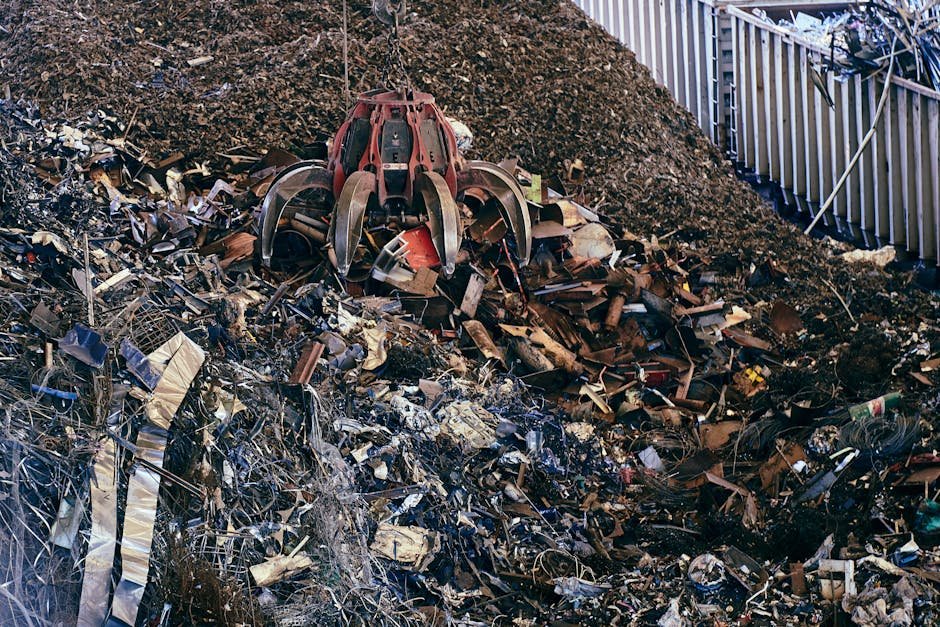

When searching for scrap metal Castle Hill services, it is essential to understand that the industry is built on precision, environmental responsibility, and market-driven value. As the Hills District continues to develop, the volume of industrial and domestic metallic waste has grown, making efficient recycling more critical than ever. Whether you are a tradesperson clearing a job site or a homeowner cleaning out a garage, knowing how to categorize your materials can turn waste into a profitable asset. By engaging with a professional scrap metal trading platform, you ensure that your materials are handled according to Australian environmental standards.
Understanding Metal Grades: Ferrous vs. Non-Ferrous
To navigate the market effectively, you must first distinguish between the two primary categories of scrap: ferrous and non-ferrous. Ferrous metals, which contain iron, are magnetic and are the most common materials found in construction and demolition. These include mild steel, carbon steel, stainless steel, and cast iron. Because they are abundant, they are often traded in high volumes, though they typically command lower prices per kilogram compared to their counterparts. If you are looking to Sell Scrap Metal Near Me In 2026, identifying these grades is your first step toward a successful transaction.
Non-ferrous metals, on the other hand, do not contain iron and are generally more valuable due to their resistance to corrosion and their infinite recyclability. This category includes copper, aluminium, brass, lead, and zinc. Copper is arguably the most sought-after metal in the recycling industry, frequently found in electrical wiring, plumbing pipes, and roofing materials. Aluminium is equally vital, appearing in window frames, siding, and automotive parts. When you visit a facility for Scrap Metal Recycling Near Me, the staff will test your metals to determine their exact grade, which dictates the payout you receive.
The Scrap Metal Recycling Process
The journey from scrap to new product is a sophisticated mechanical process designed to maximize purity. Once materials arrive at a recycling center, they undergo a rigorous sorting phase. Advanced technology, such as magnetic separators, eddy current separators, and X-ray fluorescence (XRF) analyzers, is used to distinguish between different alloys and metals. This ensures that the final output meets the strict quality requirements of manufacturing plants.
After sorting, the metal is processed through shredding or shearing machines. Shredding reduces bulky items into small, manageable pieces, which makes it easier to remove contaminants like plastic, rubber, or foam. These clean, processed materials are then melted down in high-temperature furnaces. The resulting molten metal is cast into ingots or billets, which are then sold to manufacturers to create everything from new beverage cans to structural steel beams for skyscrapers. For those operating in nearby industrial zones, services for scrap metal seven hill are often integrated into this broader regional logistics network, ensuring that materials are processed efficiently without unnecessary transport emissions.
Economic Benefits and Market Trends
The profitability of your scrap depends heavily on current global market conditions. To stay informed, you should regularly check a reliable Scrap Metal Prices index. Several factors influence these prices, including global supply and demand, the cost of raw ore extraction, and energy prices. For example, when the demand for new construction increases, the price of copper and steel typically rises, benefiting those who have stockpiled these materials.
If you are planning to sell, it is highly recommended that you consult a scrap metal price list before heading to the yard. This allows you to estimate the potential value of your load and ensures transparency in the transaction. At Scraptrade.com.au, we provide the tools and data necessary to help you understand market fluctuations, ensuring that you receive fair market value for your scrap metal Castle Hill collection.
Environmental Impact of Recycling
Recycling scrap metal is one of the most effective ways to reduce our collective carbon footprint. Extracting virgin ore from the earth is an energy-intensive process that involves mining, crushing, and refining, all of which cause significant habitat destruction and greenhouse gas emissions. In contrast, recycling existing metal requires a fraction of the energy. For instance, producing new aluminium from recycled material uses 95% less energy than producing it from bauxite ore.
Furthermore, recycling keeps hazardous materials out of landfills. Metals like lead and mercury, if left in the environment, can leach into groundwater and soil, causing long-term ecological damage. By choosing to recycle, you are actively participating in a circular economy that preserves natural resources for future generations. This is particularly important in urban areas like Castle Hill, where the preservation of local green spaces and the reduction of waste are high priorities for the community.
Practical Tips for Maximizing Your Payout
To get the most out of your scrap metal, preparation is key. First and foremost, clean your scrap. Removing non-metallic attachments like plastic, wood, or glass significantly increases the value of your load, as it reduces the labor required for sorting at the facility. Second, separate your metals by type. Mixing copper with steel will often result in the entire batch being graded at the lowest common denominator price. Keep your copper, brass, and aluminium in separate, clearly labeled containers.
Third, understand the volume vs. weight dynamic. While small amounts of scrap are always welcome, large, consistent loads are often more attractive to recycling facilities and may qualify for better pricing or pickup services. If you have a significant amount of scrap, contact your local recycler in advance to discuss logistics and potential collection options. Proper preparation not only saves time for both you and the recycler but also ensures that you are paid accurately for the high-quality materials you are providing.
Safety and Compliance in Scrap Handling
Safety is the cornerstone of the scrap metal industry. Handling heavy, sharp, or potentially hazardous materials requires proper personal protective equipment (PPE), including gloves, steel-toed boots, and high-visibility clothing. If you are dismantling equipment, ensure that you have disconnected all power sources and removed any pressurized components or hazardous fluids, such as oil or coolant, before attempting to transport the metal.
Compliance with local environmental regulations is also mandatory. Many recycling facilities operate under strict licenses that dictate how they handle waste. By choosing a reputable, licensed recycler, you ensure that your scrap is processed in a facility that adheres to Australian health, safety, and environmental standards. This protects you from liability and supports an industry that values ethical practices and environmental stewardship.
The Future of Metal Recycling in Australia
As we look toward 2026 and beyond, the scrap metal industry is poised for significant technological advancements. Innovations in sensor-based sorting and artificial intelligence are allowing for even higher purity levels in recycled alloys. This is critical as the world transitions toward renewable energy technologies like electric vehicles and wind turbines, which require massive amounts of copper, lithium, and rare earth metals. The role of the scrap metal collector in Castle Hill is evolving from a simple waste manager to a vital link in the global supply chain for sustainable materials. By staying engaged with these trends and utilizing professional platforms, you are contributing to a more sustainable and resource-efficient future for Australia.
Frequently Asked Questions
What is the most valuable metal I can recycle?
Copper is generally the most valuable non-ferrous metal due to its high demand in electrical and plumbing applications. Other high-value metals include brass and certain grades of stainless steel.
Do I need to clean my scrap metal before bringing it to a facility?
Yes, cleaning your scrap by removing non-metallic attachments like plastic, wood, or insulation significantly increases its value. Clean, sorted material is easier to process and typically commands a higher price.
How do I know if my metal is ferrous or non-ferrous?
The easiest way to tell is by using a magnet. If the magnet sticks to the metal, it is ferrous (contains iron). If the magnet does not stick, it is non-ferrous.
Why are scrap metal prices always changing?
Scrap metal prices fluctuate based on global supply and demand, the cost of raw material extraction, energy prices, and currency exchange rates. These factors impact how much manufacturers are willing to pay for recycled materials.