

Navigating the volatile market for steel scrap price today requires a deep understanding of the global economic indicators that influence metal valuation. As Australia’s primary hub for industrial recycling, we provide the insights necessary for sellers to maximize their returns. Whether you are dealing with heavy structural steel or light sheet metal, knowing how current market conditions impact your bottom line is essential for any business or individual looking to liquidate surplus assets.
Understanding the Drivers of Steel Scrap Price Today
The global steel market is a complex ecosystem. When we discuss the steel scrap price today, we are looking at a commodity that is traded internationally. The price is not fixed; it is a reflection of supply and demand dynamics, energy costs, and manufacturing output. Because steel is a ferrous metal, its value is intrinsically linked to the production of iron and steel in major economies like China, the US, and the EU.
Several factors contribute to price volatility. First, iron ore prices dictate the cost of virgin steel production. When iron ore is expensive, manufacturers turn to scrap as a cost-effective alternative. Second, logistics play a massive role. The cost of shipping scrap steel from Australian ports to international smelters directly impacts the local price per kg. Finally, the demand for construction materials in the domestic market creates a localized price floor. For those tracking these movements, our Scrap Price Forecast Guide offers a deeper look into seasonal trends and long-term market outlooks.
Categorizing Scrap: From Mild Steel to High-Grade Alloys
Not all steel is created equal. The value you receive depends heavily on the grade and purity of the material. Mild steel, which is common in construction and automotive manufacturing, is the most abundant and generally fetches a lower price than specialized alloys. In contrast, stainless steel—which contains chromium and nickel—is significantly more valuable. If you are specifically looking for the Stainless Steel Scrap Price, it is important to note that these grades are priced based on the LME (London Metal Exchange) values of their constituent alloying elements.
When preparing your materials for sale, understanding the difference between grades is vital. High-quality heavy melt scrap (HMS) is generally preferred by mills because it has a high density and low levels of contaminants. Conversely, sheet metal or light gauge steel may have higher processing costs, which can lower the price per kg offered by recyclers. If you are unsure about how to categorize your inventory, our comprehensive resource, Scrap Steel Price Per Kg A Complete Guide For Sellers, provides clear definitions and preparation tips to ensure you receive the highest possible payout.
How Metal Prices Today Are Determined
The steel scrap price today is influenced by a “cascade” effect. It begins at the international commodity exchange level, filters down to regional scrap yards, and is ultimately adjusted based on local competition and processing capacity. Recyclers must account for the cost of collection, sorting, shearing, and transportation before they can offer a price to the seller. When you see quotes for metal prices today, these are often wholesale prices for large volumes. For smaller quantities, local yards will deduct a margin to cover the overhead of processing smaller, less efficient loads.
Furthermore, contamination is the enemy of value. Steel that is heavily rusted, painted, or mixed with non-ferrous materials like plastic or rubber requires significant energy and labor to clean. This reduction in purity leads to a lower price per kg. To get the best value, ensure your scrap is segregated. For those dealing with specific high-value grades, check the latest scrap price for 316 stainless steel to see how your material compares to industry benchmarks. Similarly, if you have specific alloy scrap, verifying the scrap price 316 stainless steel can prevent you from selling premium material at base-grade prices.
The Environmental and Economic Benefits of Recycling
Recycling steel is one of the most effective ways to reduce industrial carbon footprints. Producing steel from scrap consumes significantly less energy than producing it from virgin iron ore. By recycling scrap steel, we conserve natural resources, reduce landfill waste, and lower greenhouse gas emissions associated with mining and refining. This circular economy model is the backbone of the modern Australian manufacturing sector.
Beyond the environmental impact, there is a clear economic incentive. The recycling industry supports thousands of jobs across Australia, from collection logistics to specialized smelting operations. By participating in the scrap market, you are not just liquidating assets; you are contributing to a sustainable supply chain. For more information on how to participate in this circular economy, visit our main platform at Scrap Trade or explore the regional services provided through Scrap Trade Australia.
Logistics and Processing: How Recycling Actually Works
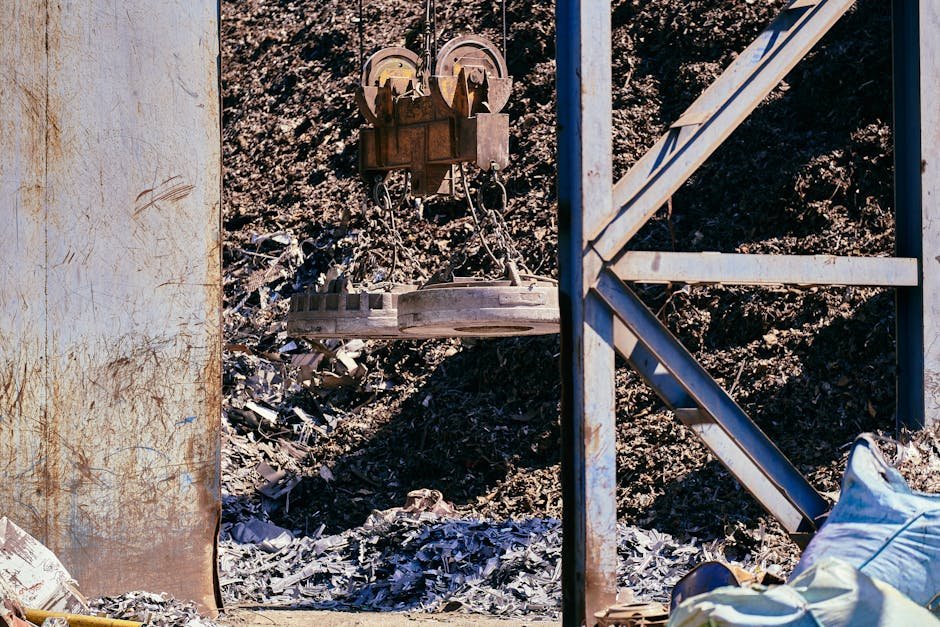
The journey from scrap heap to new steel product is a marvel of industrial engineering. Once the scrap is collected, it undergoes a rigorous sorting process. Ferrous metals are separated from non-ferrous metals using powerful magnets and eddy current separators. Once sorted, the steel is often shredded into smaller pieces to increase its surface area, making it easier to melt in an Electric Arc Furnace (EAF).
In the EAF, the scrap is melted at extreme temperatures. Alloying elements are then added to achieve the desired chemical composition for the final product. This molten steel is cast into billets, blooms, or slabs, which are then rolled into finished products like rebar, structural beams, or automotive body panels. Understanding this process helps sellers realize why the cleanliness and grade of their scrap are so critical to the recyclers who purchase it.
Strategic Tips for Sellers to Maximize Returns
To maximize your return, timing is everything. While it is impossible to perfectly predict the market, selling when global demand is high can significantly increase your payout per tonne. Additionally, volume matters. Most scrap yards offer tiered pricing; the larger your load, the better your leverage for a higher price per kg. Always call ahead to confirm current rates, as prices can change daily based on market shifts.
Another tip is to develop a relationship with a reputable buyer. Consistent sellers who provide well-sorted, clean material are often offered better terms than one-time sellers. Avoid mixing grades, as this will result in the entire load being valued at the lowest grade present. If you are dealing with large-scale industrial demolition or manufacturing waste, speak to your recycler about long-term contracts that can stabilize your pricing against short-term volatility.
Future Trends in the Steel Scrap Industry
The future of the steel industry is moving toward “green steel.” As global carbon taxes become more prevalent, the demand for recycled steel will skyrocket because it is significantly less carbon-intensive than virgin steel. This shift will likely place upward pressure on scrap prices over the coming decade. Technology is also changing the game; handheld X-ray fluorescence (XRF) analyzers are becoming more common in scrap yards, allowing for instant and accurate identification of steel alloys.
As these technologies become standard, the ability to accurately grade your own scrap will become a major competitive advantage. Sellers who can provide detailed manifests of their scrap loads will find it easier to secure premium pricing. Staying informed through industry resources and monitoring the steel price per tonne will be essential for anyone looking to maintain profitability in this evolving market.
Conclusion: Navigating the Market with Confidence
The scrap metal industry is a vital component of the global economy, and understanding the factors that influence the steel scrap price today is the first step toward successful trading. By focusing on material purity, understanding the difference between steel grades, and keeping an eye on global market trends, you can ensure that you are getting the best possible value for your materials. Whether you are a small business owner or a large industrial operator, the principles of proper sorting and strategic selling remain the same. Use the links and resources provided in this guide to stay updated, and always prioritize safety and environmental responsibility in your recycling efforts.
Frequently Asked Questions
What is the most important factor affecting the price of steel scrap?
The most important factor is the grade and purity of the steel. High-quality, clean scrap with minimal contaminants fetches a significantly higher price than mixed or rusted materials.
How often do scrap metal prices change?
Scrap metal prices can change daily or weekly based on global commodity markets, shipping costs, and local supply and demand dynamics. It is best to check current rates with your local yard before selling.
Why is stainless steel worth more than mild steel?
Stainless steel contains valuable alloying elements like nickel and chromium. These materials have a high market value on the London Metal Exchange, which drives up the price of stainless scrap.
How can I get the best price for my scrap steel?
To get the best price, ensure your scrap is sorted by grade, free of non-metallic contaminants, and sold in larger volumes. Building a consistent relationship with a reputable local recycler also helps.