
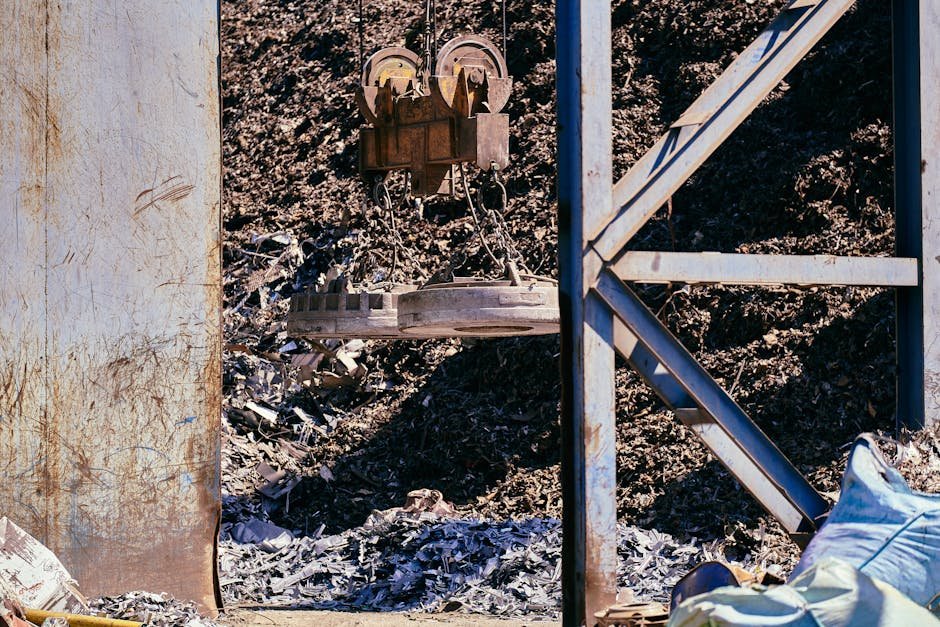

When it comes to steel recycling sydney, understanding the lifecycle of your scrap is essential for both environmental sustainability and financial gain. As a major hub for construction and industrial manufacturing, Greater Sydney generates a massive volume of ferrous metal waste that can be infinitely recycled without losing its structural integrity. Whether you are a construction firm managing site waste or an individual clearing out a garage, knowing how to navigate the local market is key to maximizing your returns.
The Importance of Ferrous Metal Recycling in New South Wales
In the context of New South Wales, the transition toward a circular economy is heavily reliant on the efficient recovery of ferrous metals. Steel is the most recycled material on the planet, and for good reason: it is 100% recyclable. Unlike plastics, which degrade in quality during the recycling process, steel can be melted down and reformed indefinitely. This process saves approximately 75% of the energy required to produce steel from raw iron ore.
For businesses operating in Greater Sydney, participating in responsible scrap management is not just an ethical choice—it is a regulatory necessity. The NSW Environmental Protection Agency (EPA) enforces strict guidelines regarding waste disposal, making professional recycling the only viable path for large-scale industrial operations. By leveraging the expertise found at Scrap.trade, businesses can ensure their waste streams are diverted from landfills and integrated back into the manufacturing supply chain.
Understanding Steel Grades: Mild Steel vs. Sheet Metal
Not all scrap is created equal. To get the best value, you must understand the difference between the materials you are handling. Mild steel is the most common form of steel, widely used in structural applications, beams, and heavy machinery. Because it is highly magnetic and contains a significant amount of iron, it is categorized as a ferrous metal and is highly sought after by recycling facilities.
Sheet metal, on the other hand, is often found in roofing, car body panels, and HVAC ducting. While also recyclable, it is often thinner and requires different handling procedures compared to heavy structural steel. When you are preparing your scrap for transport, separating these grades can significantly influence the final payout. If you are unsure about the classification of your scrap, searching for Metal Recycling Near Me can connect you with local experts who can assist with material identification and sorting.
How Steel Price Per Tonne is Determined
The steel price per tonne is a dynamic figure, influenced by global commodity markets, local demand in NSW, and the specific composition of the scrap. Factors such as the purity of the metal—specifically the absence of contaminants like plastic, wood, or non-ferrous metals—will directly impact the price offered by scrap yards. Clean, heavy steel typically commands a higher price than mixed, light-gauge scrap.
Global market trends, such as the demand for steel in emerging economies or fluctuations in iron ore prices, dictate the baseline. However, local logistics also play a role. If you are located in a specific hub, such as the northern suburbs, looking for steel recycling north sydney or north sydney steel recycling services can help you find facilities that offer competitive pricing based on proximity and transport costs. Being part of a proactive Recycling Community allows traders to stay updated on these price fluctuations and best practices.
Logistics of Scrap Steel Collection in Greater Sydney
Collecting and transporting scrap steel requires careful planning to ensure safety and regulatory compliance. For large industrial sites, scrap collection services are often the most efficient route. These services provide bins, manage the pickup schedule, and handle the heavy lifting, which is crucial when dealing with high-tonnage materials. When searching for Scrap Metal Recycling Near Me, look for providers that offer integrated logistics solutions.
Proper preparation is key to reducing your transport costs. For instance, cutting large structural beams into manageable sizes can increase the density of your load, allowing for more efficient use of transport vehicles. Always ensure that your scrap is free from hazardous materials or sealed containers that could pose a risk during the melting process. For those looking for comprehensive services across the state, Scrap Trade Australia provides a robust platform to connect with verified buyers and processors.
The Environmental Impact of Steel Recycling Sydney
The environmental case for steel recycling sydney is undeniable. By choosing to recycle, you are directly contributing to a reduction in mining activities, which are notoriously destructive to local ecosystems. The extraction of iron ore requires massive amounts of water and energy, and the resulting waste often contaminates local water tables. By contrast, recycling steel requires significantly less energy and produces a fraction of the greenhouse gas emissions.
Furthermore, the diversion of steel from landfills in New South Wales helps extend the lifespan of existing waste management facilities. In a growing city like Sydney, landfill space is a premium resource. By treating steel as a valuable commodity rather than waste, we move closer to a sustainable future where the materials of the past become the buildings of tomorrow.
Advanced Processing: From Scrap to New Steel
Once your scrap reaches a recycling facility, it undergoes a sophisticated transformation. The process begins with shredding, where large pieces of scrap steel are broken down into smaller, uniform fragments. This makes it easier to remove non-metallic contaminants using magnets and air classifiers. Once purified, the steel is melted in an Electric Arc Furnace (EAF).
The EAF is the heart of modern steel recycling. It uses high-power electric arcs to melt the scrap, allowing for precise control over the chemical composition of the final product. This allows manufacturers to add specific alloys to create high-strength steel for specialized applications. This closed-loop system is the pinnacle of industrial efficiency, ensuring that the steel you recycle today could be back in the market as a new beam or sheet metal within weeks.
Best Practices for Businesses and Individuals
Whether you are a professional contractor or a homeowner, adopting a systematic approach to scrap management is the best way to ensure maximum returns and environmental compliance. First, establish a dedicated area for scrap storage on your site. Use color-coded bins to separate ferrous metals from non-ferrous metals like copper or aluminum. This pre-sorting saves significant time at the recycling facility and often results in higher payouts.
Second, keep your scrap dry and clean. Rust is generally acceptable, but excessive dirt, oil, or concrete can lead to price deductions. Finally, build relationships with reputable local recyclers. Having a consistent partner in the industry allows you to negotiate better terms and stay informed about market shifts. By engaging with the broader Recycling Community, you can share knowledge and stay ahead of changes in state regulations.
Future Trends in the Sydney Scrap Market
The future of steel recycling sydney is bright, driven by technological advancements and a growing public consciousness regarding sustainability. We are seeing an increase in the use of automated sorting technologies, such as X-ray fluorescence, which allows for even higher purity levels in recycled steel. Additionally, the push for “Green Steel”—steel produced using renewable energy—is creating a new demand for high-quality recycled input materials.
As Sydney continues to expand its infrastructure, the demand for steel will remain high. By participating in the recycling economy, you are not just clearing your site; you are becoming an integral part of the supply chain that powers the city’s growth. Whether you are dealing with small quantities of sheet metal or large-scale industrial demolition waste, your contribution matters. Stay informed, stay organized, and continue to leverage the professional networks available to ensure your scrap is handled with the expertise it deserves.
Frequently Asked Questions
What is the best way to get the highest price for my scrap steel?
To maximize your return, ensure your steel is clean and free from non-metallic contaminants like wood, plastic, or concrete. Sorting your scrap by grade and size before arriving at the yard will also help you secure a better price per tonne.
Is there a difference between ferrous and non-ferrous scrap?
Yes. Ferrous metals, such as mild steel, contain iron and are magnetic. Non-ferrous metals, like copper, aluminum, and brass, do not contain iron and are generally more valuable due to their scarcity and specialized recycling processes.
Can I recycle painted or rusted steel?
Yes, both painted and rusted steel are accepted at most recycling facilities. However, if the steel is heavily contaminated with lead-based paint or other hazardous substances, you should inform the recycler beforehand as it may require special handling.
Why is it important to use a professional recycling facility in NSW?
Using a professional facility ensures that your waste is processed in accordance with NSW EPA regulations. It also guarantees that the metal is diverted from landfills and handled with the correct equipment to ensure maximum environmental and economic efficiency.