
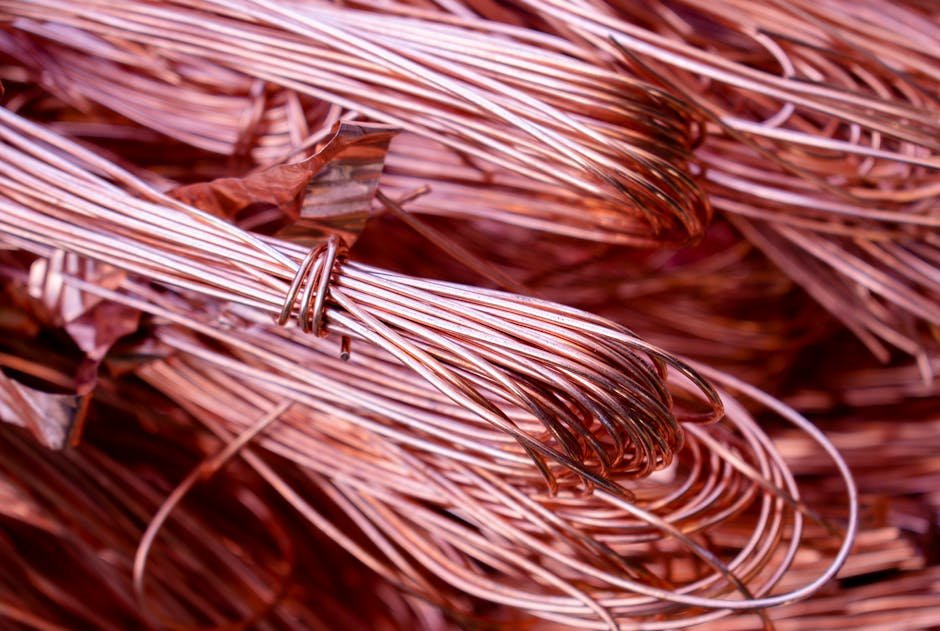

Navigating the complex world of copper prices for recycling requires an understanding of both global commodity markets and local Australian scrap yard dynamics. Whether you are a trade professional or a hobbyist, knowing how to value your materials is the difference between a modest payout and a significant return on your effort. Copper is widely considered the ‘gold standard’ of the scrap metal industry due to its infinite recyclability and high demand in the construction, automotive, and electrical sectors.
If you are wondering about the latest market trends, it is essential to monitor current scrap prices regularly. Because copper is a globally traded commodity, its value is never static. It reacts to geopolitical events, mining strikes in South America, and the growth of the electric vehicle market, which consumes vast quantities of copper wiring and components. By staying informed, you can time your sales to coincide with market peaks.
How Copper Prices for Recycling Are Set
The pricing structure for scrap copper is not arbitrary; it is a derivative of the London Metal Exchange (LME). The LME sets the global benchmark for copper, which scrap yards then use as a baseline. However, the price you see on a news ticker is the ‘Comex’ or ‘LME’ price for pure, refined copper cathodes—not for the scrap sitting in your garage.
Local scrap yards must factor in several overheads before offering you a rate. These include transportation costs, labor for sorting, processing equipment maintenance, and the purity levels of the scrap. For instance, high-grade bare bright copper requires minimal processing, making it the most valuable grade. In contrast, number 2 copper—which may contain solder, paint, or minor contaminants—requires more labor to refine, thus lowering the price per kg. To get the best deal, you must understand these grades and how to present your material to a professional buyer.
When searching for local rates, you might look for Scrap Copper Prices Near Me to find a yard that offers competitive, transparent pricing. Always ask the yard manager how they classify their materials, as transparency is a hallmark of a reputable business. If you are also dealing with other metals, remember that aluminum recycling prices and aluminium recycling prices follow different market cycles, often influenced by the energy costs required for smelting.
Categorizing Scrap: From Bare Bright to Number 2 Copper
To maximize your profit, you must be able to identify and sort your copper correctly. The industry uses specific classifications, and failing to separate your metals can lead to a ‘mixed’ price, which is always the lowest rate available. The most common categories include:
- Bare Bright Copper: This is the ‘crème de la crème’ of scrap. It consists of clean, unalloyed, uncoated, and uninsulated copper wire or tubing. It must be free of any paint, solder, or oxidation.
- Number 1 Copper: This is slightly less pure than bare bright. It typically includes copper pipe or wire that is clean but may have minor oxidation or be slightly thicker than the fine strands found in bare bright.
- Number 2 Copper: This grade includes copper that has been ‘contaminated’. This might include copper pipe with solder joints, or wire that has been burnt or has slight insulation residue.
- Insulated Copper Wire: This is the most common form of household scrap. Its value is determined by the ‘recovery rate’—the percentage of copper metal inside the plastic insulation.
By keeping these grades separate, you ensure that you aren’t being paid the ‘Number 2’ price for your high-value ‘Bare Bright’ materials. If you have questions about specific items, consider joining a Recycling Community to learn from experienced scrappers who share tips on cleaning and stripping wire efficiently.
Factors Influencing Metal Prices Today
Several macroeconomic factors dictate the daily shifts in copper prices for recycling. First, the strength of the Australian Dollar (AUD) plays a massive role. Since copper is priced in USD, a weaker AUD often makes imported copper more expensive, which can lead to higher prices for local scrap sellers. Second, global industrial production—specifically in China—drives demand. When construction and manufacturing sectors in major economies slow down, the demand for copper drops, and prices follow suit.
Furthermore, the shift toward renewable energy is a long-term ‘bull’ factor for copper. Solar panels, wind turbines, and electric vehicle charging infrastructure require significantly more copper than traditional fossil-fuel-based systems. As these technologies scale, the long-term outlook for copper remains robust, even if short-term volatility persists. For those looking to manage their scrap inventory, visiting Scrap Trade Australia provides a professional perspective on how these macro trends impact the local industry.
Maximizing Your Returns: Practical Tips for Scrappers
Maximizing your earnings isn’t just about waiting for the market to rise; it’s about preparation. Many beginners lose money by selling ‘dirty’ scrap. Cleaning your metal is the most effective way to increase your payout. For example, removing the steel fittings from a copper pipe can move that material from a lower grade to a higher grade instantly.
When dealing with copper wire, decide if it’s worth stripping the insulation. While stripping wire by hand is labor-intensive, the difference in price between insulated wire and bare copper is often substantial. Use a wire stripping machine if you have a high volume of cable, as it will pay for itself in a short period. For other items like cans, check out Aluminum Can Recycling Prices How To Maximize Your Earnings to ensure you aren’t leaving money on the table with your non-ferrous collections.
The Environmental Impact of Copper Recycling
Beyond the financial incentives, recycling copper is a vital environmental service. Mining virgin copper is an energy-intensive process that involves massive land disruption and high carbon emissions. Recycling copper, by contrast, requires up to 85% less energy than producing it from ore. By participating in the circular economy, you are directly contributing to a reduction in mining waste and energy consumption.
As the world moves toward a circular economy, the traceability of scrap metal is becoming more important. Reputable yards are now implementing better tracking to ensure that the scrap they process is responsibly sourced and handled. When you sell your metal to a certified recycling facility, you are supporting a sustainable supply chain that benefits the entire planet.
Understanding Market Volatility and Timing
It is a common mistake to try and ‘day trade’ scrap metal. Unless you are a large-scale industrial supplier, the daily fluctuations are usually negligible compared to the effort of transporting your goods. Instead, focus on long-term trends. If you have the storage space, it is often better to accumulate a large amount of sorted copper and sell when the market feels ‘up’ rather than making frequent, small trips to the yard.
Pay attention to the LME monthly averages. If the average price is trending upward over a three-month period, it is a good time to clear out your shed. Conversely, if prices have been dropping steadily, you might consider holding onto your stock if you have the space to do so. Always communicate with your local yard; they often have insights into local supply shortages that might lead them to pay a premium for certain types of scrap.
Safety and Legal Considerations in Scrap Recycling
Working with scrap metal involves inherent risks. Sharp edges, heavy loads, and potentially hazardous coatings on older materials require proper protective gear. Always wear heavy-duty gloves, eye protection, and steel-toed boots when handling large quantities of copper. Furthermore, be aware of local regulations regarding scrap sales. In many Australian states, you are required to provide identification when selling scrap metal to prevent the trade of stolen goods. This is a positive regulation that keeps the industry professional and discourages theft.
Finally, ensure you are dealing with licensed scrap metal recyclers. Licensed operators are required to adhere to environmental standards, ensuring that any hazardous by-products of the recycling process—such as plastic insulation waste—are disposed of correctly. By choosing to work with professional, licensed entities, you ensure that your contribution to the recycling ecosystem is both legal and environmentally sound.
Conclusion
Copper remains one of the most valuable and sought-after materials in the recycling industry. By understanding the nuances of copper prices for recycling, properly grading your materials, and staying informed about global market shifts, you can turn scrap into a reliable income stream. Remember that the key to success is preparation: sort your metals, clean your copper, and build a relationship with a local yard that values your business. Whether you are a professional tradesperson clearing a job site or a homeowner cleaning out a garage, the effort you put into sorting your scrap will always pay dividends. Stay updated, stay safe, and keep recycling to ensure a sustainable future for all.
Frequently Asked Questions
What is the difference between bare bright and number 2 copper?
Bare bright copper is clean, shiny, uninsulated, and free of any contaminants like solder or paint, making it the highest value grade. Number 2 copper is typically contaminated with solder, paint, or oxidation, which requires more processing and therefore commands a lower price.
How often do scrap copper prices change?
Scrap copper prices fluctuate daily, mirroring the volatility of the London Metal Exchange (LME). Local scrap yards typically adjust their buying rates to reflect these global movements and local supply-demand conditions.
Is it worth stripping insulation from copper wire?
Yes, if you have a significant volume of wire, stripping the insulation significantly increases the value per kilogram. However, consider the time and labor involved versus the current price difference between insulated and bare copper.
Do I need ID to sell scrap copper in Australia?
Yes, in most Australian states, you are required to provide valid government-issued identification when selling scrap metal. This is a standard legal requirement designed to prevent the trade of stolen property.