
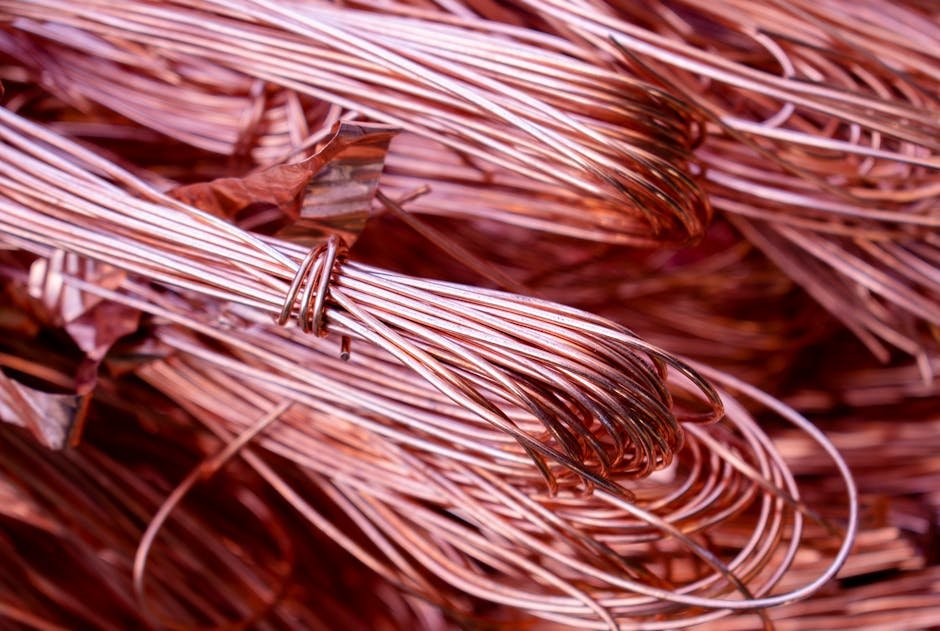

Navigating the complex world of recycled copper prices is essential for anyone looking to turn their scrap metal into a reliable revenue stream. Whether you are a professional electrician, a demolition contractor, or a homeowner clearing out a shed, understanding how the market functions is the first step toward securing the best value for your materials. In Australia, the recycling industry is a vital component of the circular economy, and copper remains one of the most highly sought-after commodities due to its infinite recyclability and high conductivity.
Understanding the Drivers of Recycled Copper Prices
The global market for copper is a complex ecosystem influenced by geopolitical stability, industrial demand, and currency fluctuations. Because copper is a base metal traded on the London Metal Exchange (LME), the recycled copper prices you see at your local yard are essentially a reflection of these global benchmarks adjusted for local logistics, processing costs, and purity levels. When demand for new infrastructure projects in China or the US surges, the global price of copper rises, which in turn elevates the value of your scrap.
Locally, factors such as the Australian dollar’s strength against the US dollar play a significant role. Since copper is traded globally in USD, a weaker AUD often results in higher local prices for exporters. Conversely, local supply chain issues—such as transport costs or labor shortages at processing facilities—can create localized price variations. To stay informed on the latest trends, many professionals regularly check Scrap Prices to gauge market movements before deciding when to sell their inventory.
Grading Your Scrap: Bare Bright, Pipe, and Number 2
One of the most common mistakes beginners make is failing to sort their metal. Not all copper is created equal, and yards pay significantly different rates based on the grade of the material. Understanding these grades is the secret to maximizing your profit. Bare bright copper, for example, consists of clean, unalloyed, uncoated, and uninsulated copper wire. Because it requires the least amount of processing to be melted down, it consistently fetches the highest price per kilogram.
Next is copper pipe, which is often found in plumbing and HVAC systems. While highly valuable, it often contains solder or fittings that need to be removed to reach the highest grade. If you leave fittings on, the yard may downgrade it to a lower category. Finally, we have number 2 copper, which typically includes copper that has been painted, contains minor impurities, or has been exposed to the elements. By visiting Scrap Metal Prices, you can see how these specific grades are valued in the current market.
For those looking to get the best deal, it is vital to know that the purity of your material is everything. If you are holding onto large quantities of electrical cabling, ensure it is stripped of its plastic insulation. While insulated wire still has value, the copper inside is worth significantly more once the plastic is removed. Using a professional wire stripper can turn a low-value item into a high-value commodity.
The Copper Recycling Process: From Scrap to Commodity
The journey of a copper pipe from a demolition site to a new product is a testament to the efficiency of the modern recycling industry. Once you drop off your scrap at a facility, the material is weighed and inspected. The yard then sorts the metal by grade and purity. Large-scale recycling centers use advanced technology, including X-ray fluorescence (XRF) analyzers, to determine the exact chemical composition of the alloy, ensuring that impurities like lead or zinc are identified.
After sorting, the copper is shredded or granulated to remove contaminants like plastic coatings or insulation. The resulting “copper chop” is then melted in massive furnaces. Because copper does not lose its chemical properties during the recycling process, it can be melted down and reformed into new wire, pipes, or components indefinitely. This process uses up to 85% less energy than mining and refining virgin copper ore, making it one of the most environmentally sustainable industrial practices in Australia today. For those interested in the environmental benefits, you can learn more about how scrap metal recycling contributes to a greener future.
Drop-off vs. Pickup: Logistics and Profitability
When you have a significant volume of scrap, you are faced with a logistical decision: should you drop it off yourself, or should you arrange for a pickup? If you have a small amount of scrap, dropping it off at a local yard is usually the most cost-effective method. It allows you to build a relationship with the yard manager, which can sometimes lead to better rates for regular contributors. You can find convenient locations by searching for Scrap Copper Prices Near Me.
However, for large-scale demolition projects or industrial cleanouts, the cost of transport often outweighs the convenience of a DIY approach. Many professional recycling platforms offer hook-lift bins or flatbed truck services. While this service might incur a fee or a reduction in the total payout, it saves you the time and fuel costs associated with multiple trips. Always weigh the volume of your material against the cost of transport. If you are unsure about the best approach, looking into copper prices for recycling can help you calculate whether the logistics costs are justified by the potential payout.
Environmental Impact and the Circular Economy
The environmental case for recycling copper is undeniable. Copper mining is an energy-intensive process that involves massive land displacement, water consumption, and the generation of tailings that can contaminate local ecosystems. By recycling, we drastically reduce the need for new mining operations. Every kilogram of recycled copper saves a significant amount of electricity and prevents the release of greenhouse gases associated with primary smelting.
In Australia, the scrap metal industry is strictly regulated to ensure that hazardous materials often found alongside copper—such as lead-based solders or chemical residues—are handled safely. When you choose to sell your scrap to a reputable, licensed facility, you are ensuring that these materials are processed according to environmental standards. This commitment to the circular economy is what keeps recycled copper prices stable and supports a sustainable industrial sector. To find reliable partners in your area, you might look for copper scrap prices near me to ensure you are dealing with a reputable buyer who adheres to environmental regulations.
Factors Affecting the Copper Price Per Kg
If you have ever wondered why the copper price per kg changes from week to week, you are looking at the result of several converging forces. Firstly, industrial demand is the primary driver. Copper is known as “Dr. Copper” by economists because its usage is a reliable indicator of global economic health. When the economy is booming, construction and manufacturing demand more copper, driving prices up.
Secondly, inventory levels at major exchange warehouses play a role. If global stocks are low, the price spikes due to scarcity. Thirdly, the cost of energy is a major factor. Since the recycling process requires heat and mechanical energy, high electricity costs can squeeze the margins of recyclers, which may be reflected in the prices they offer to the public. Finally, local competition matters. In areas with many scrap yards, you might find more competitive pricing as yards fight to secure the best supply of high-grade copper. For a comprehensive overview of how these factors interact, visit the Scrap Trade hub to stay updated on the latest industry analysis.
Maximizing Your Returns: Practical Tips for Sellers
To ensure you walk away with the best possible payout, preparation is key. Here are a few expert tips for those looking to sell their copper scrap:
- Sort by Grade: Never mix your high-grade bare bright copper with lower-grade number 2 copper. If you put them in the same pile, the yard will often pay you the lower-grade rate for the entire batch.
- Clean Your Material: Remove non-metal attachments. Steel screws, plastic, and rubber insulation are contaminants. The cleaner your load, the higher the price per kilogram.
- Monitor the Market: Prices change daily. If you have a large quantity, keep an eye on Scrap Metal Prices and wait for a peak before selling.
- Build Relationships: If you are a contractor, speak to the yard manager about long-term pricing agreements. Regular, high-quality supply is valuable to them, and they may reward you with better rates.
- Safety First: Copper can be sharp. Always wear gloves and protective eyewear when handling and sorting your scrap.
By following these simple steps, you transform from a casual seller into a savvy participant in the scrap metal market. Remember, the goal is not just to sell the metal, but to maximize the value of every kilogram you have worked hard to collect.
Future Trends in the Copper Industry
As the world transitions toward renewable energy, the demand for copper is expected to skyrocket. Electric vehicles (EVs) require significantly more copper than internal combustion engine vehicles, and the expansion of solar and wind energy grids relies heavily on copper for wiring and transmission. This long-term trend suggests that the value of copper will remain robust for decades to come.
For the average Australian, this means that your scrap copper is a long-term asset. While market volatility will always exist, the fundamental value of the metal is underpinned by the global shift toward electrification. Staying informed about these trends will help you decide when to hold onto your scrap and when to cash in. Always utilize trusted resources to monitor recycled copper prices and ensure you are getting a fair deal based on the current global landscape.
Conclusion
Copper recycling is more than just a way to make extra cash; it is a critical pillar of the Australian economy and a major contributor to global sustainability. By understanding the nuances of grading, the impact of global market fluctuations, and the importance of responsible recycling, you can maximize your returns while supporting a cleaner future. Whether you are dealing with small amounts of copper wire or large volumes of industrial pipe, the key to success lies in preparation and staying informed. Use the resources provided, keep your materials clean, and always keep an eye on the market to ensure you are getting the true value for your scrap. With the right approach, your scrap metal can be a consistent and rewarding source of income.
Frequently Asked Questions
What is the difference between bare bright copper and number 2 copper?
Bare bright copper is clean, unalloyed, and uncoated wire that is free from insulation, making it the highest-value grade. Number 2 copper includes wire or pipe that may have minor impurities, paint, solder, or oxidation, which requires more processing and therefore commands a lower price.
How often do recycled copper prices change?
Recycled copper prices typically fluctuate daily, mirroring the volatility of the London Metal Exchange. Local yards adjust their buy prices based on these global benchmarks, currency exchange rates, and local supply and demand.
Should I strip the insulation off copper wire before selling it?
Yes, stripping the insulation significantly increases the value of your scrap. While insulated wire is still purchaseable, the price per kilogram is much higher for clean, bare copper.
Does the location of the scrap yard affect the price I get?
Yes, location can impact pricing due to transport logistics and local market competition. Facilities closer to major industrial hubs or ports often have different overheads and competitive pressures than those in remote areas.