
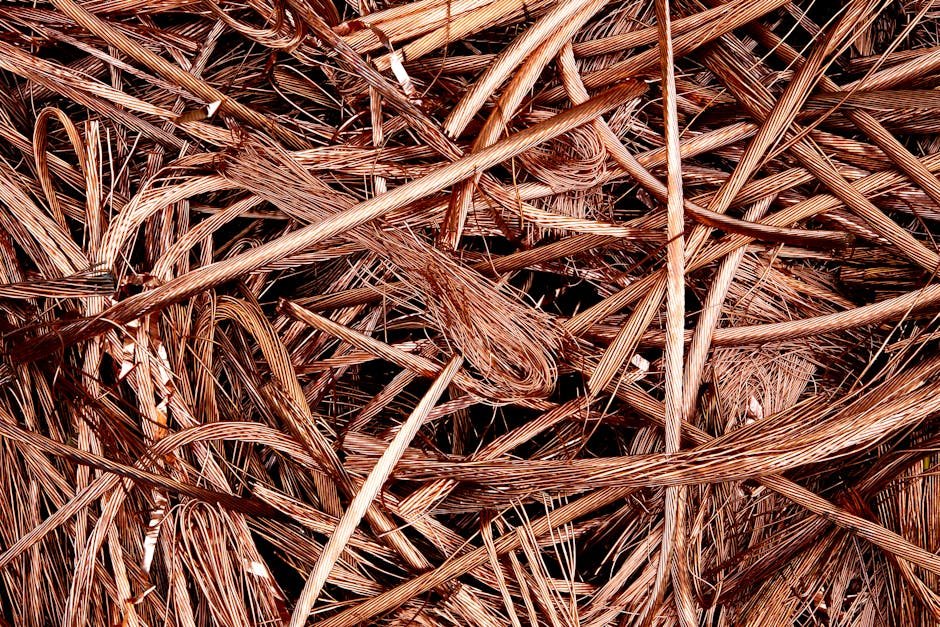

Understanding bronze scrap value is essential for anyone involved in the metal recycling industry, from professional demolition contractors to individual collectors. Bronze, an alloy consisting primarily of copper and tin, is a highly prized material in the scrap market due to its durability, corrosion resistance, and high conductivity. Because it is a non-ferrous metal, it sits in a higher value tier than ferrous metals, making it a lucrative focus for those looking to optimize their returns.
When you begin to explore the industry, it is helpful to understand What Is Scrap Trade and how it functions as the backbone of the circular economy. By participating in this market, you aren’t just making a profit; you are contributing to a global system that reduces the need for virgin mining. If you are new to the industry, it is also worth reading up on What Scrap Trade Actually Is to gain a clearer perspective on the logistics and supply chain mechanics involved.
Understanding Bronze Grades and Composition
The bronze scrap value you receive at a facility in Australia is heavily dependent on the specific grade of the material. Unlike pure copper, which has a relatively standardized price, bronze comes in various formulations, each with different percentages of copper, tin, zinc, and sometimes lead or phosphorus. The most common types of bronze encountered in the scrap yard include:
- Architectural Bronze: Often used in window frames, doors, and building facades. It is high in copper and generally fetches a good price.
- Phosphor Bronze: Known for its high strength and springiness, this is commonly found in electrical components, springs, and high-wear bearings.
- Manganese Bronze: Used in heavy-duty applications like marine propellers and large gears. It is incredibly durable and contains significant copper, making it a high-value scrap item.
- Aluminum Bronze: Contains aluminum as the primary alloying metal. It is highly resistant to corrosion and is often found in marine hardware.
When assessing your scrap, always look for contaminants. Steel screws, plastic attachments, or rubber gaskets can downgrade your material to ‘dirty’ bronze, significantly lowering the price. To get the best results, you should aim to provide ‘clean’ scrap. This means removing any non-bronze components before taking your haul to a professional scrap metal recycling facility in Australia. While bronze is valuable, it is important to remember that market prices are dynamic. Just as you would research aluminum scrap value to ensure you aren’t underselling your stock, you must stay updated on daily bronze spot prices.
The Bronze Recycling Process: From Yard to Foundry
Recycling bronze is a sophisticated process that ensures the metal retains its properties indefinitely. Unlike some plastics that degrade with each cycle, bronze can be melted down and reformed without losing its structural integrity. The journey of your scrap begins at the collection point. Once sorted by grade, the material is typically shredded or sheared to reduce its physical size, making it easier to transport and process.
After shredding, the scrap undergoes a magnetic separation process to remove any stray ferrous metals—a critical step in maintaining the purity of the final alloy. Following this, the bronze is melted in a high-temperature furnace. During the melting phase, technicians can adjust the chemical composition by adding specific elements to reach a desired grade. This molten metal is then cast into ingots or billets, which are sold to manufacturers to create everything from new plumbing fittings to artistic sculptures. By engaging with a reliable scrap metal trading platform, you can ensure that your materials are handled through ethical and efficient channels.
Environmental Benefits of Recycling Bronze
Recycling bronze is one of the most effective ways to reduce industrial environmental impact. The primary benefit is energy savings. Mining for copper and tin—the two main ingredients in bronze—is an incredibly energy-intensive process that requires massive open-pit mines, heavy machinery, and significant water usage. By recycling existing bronze, we bypass the need for primary extraction, reducing energy consumption by up to 90% compared to producing new metal from ore.
Furthermore, recycling helps manage waste. Millions of tonnes of metal end up in landfills annually, where they occupy space and potentially leach chemicals into the soil. By keeping bronze in the circular economy, we minimize landfill pressure and reduce the carbon footprint associated with global metal production. Every kilogram of bronze you recycle is a step toward a more sustainable future for Australia and the world.
Comparing Bronze to Other Scrap Metals
To be a successful trader, you must understand how bronze fits into the broader market. While bronze scrap value is generally high, it is often compared to other common scrap metals. For instance, the scrap value of steel per kg is significantly lower than that of bronze because steel is produced in much higher volumes and is easier to source. However, steel is often traded in much larger quantities, which can lead to higher total payouts for industrial-scale sellers.
Conversely, exotic metals require a different strategy. If you are dealing with high-performance alloys, you should consult guides like Titanium Scrap Price How To Get The Best Value For Your Titanium to understand how scarcity and specialized demand drive prices. Bronze occupies a ‘middle-ground’—it is more valuable than base ferrous metals but generally more accessible and easier to trade than high-tech aerospace alloys. Understanding these relative values allows you to prioritize which materials to collect and how to allocate your time and resources for the best financial return.
Practical Tips for Maximizing Your Scrap Returns
Maximizing your profit requires more than just collecting metal; it requires strategy. Here are several expert tips to ensure you get the best value for your bronze:
- Sort by Grade: Never mix different alloys. If you mix high-value phosphor bronze with lower-value aluminum bronze, the yard may pay you for the lower grade. Sorting is the single most effective way to increase your payout.
- Clean Your Metal: Remove non-metal attachments like wood, plastic, or rubber. The more ‘prepared’ your scrap is, the more a dealer is willing to pay because it reduces their labor costs.
- Build Relationships: Find a reputable yard and stick with them. Regular suppliers often receive better service, faster payments, and sometimes even premium pricing compared to one-off customers.
- Monitor the Markets: Metal prices change daily based on the London Metal Exchange. If you have a large stockpile, it might be worth waiting for a market upswing before selling.
- Safety First: Bronze can be sharp and heavy. Always wear protective gloves and steel-toed boots when handling scrap to prevent injury.
The Future of Bronze Recycling in Australia
The Australian scrap industry is currently undergoing a digital transformation. With the rise of online trading platforms, sellers have more transparency than ever before. Real-time price tracking and digital inventory management are becoming standard, allowing smaller operators to compete with larger industrial players. As the focus on ESG (Environmental, Social, and Governance) criteria intensifies, the demand for recycled bronze is expected to grow. Manufacturers are increasingly seeking ‘green’ metal to meet their own sustainability targets, which will likely keep the demand for high-quality recycled bronze strong for the foreseeable future.
Investment in advanced sorting technologies, such as X-ray fluorescence (XRF) analyzers, is also helping yards identify alloys more accurately. This means that if you have high-quality material, it is easier for the buyer to verify its grade, ensuring you get paid the true market value rather than a conservative estimate. By staying informed and maintaining high standards for your scrap collection, you position yourself to benefit from these advancements in the Australian recycling landscape.
Conclusion: Turning Scrap into Sustainable Profit
Bronze is more than just an industrial byproduct; it is a valuable asset that plays a critical role in our economy and environment. Whether you are a small-time collector or a large-scale demolition contractor, understanding the nuances of bronze scrap value is the key to maximizing your returns. By focusing on cleanliness, proper sorting, and staying updated on market trends, you can turn your scrap metal into a reliable source of income.
Remember that the scrap industry is a community. By participating responsibly—ensuring that hazardous materials are handled correctly and that you are dealing with licensed, ethical facilities—you contribute to the health of the industry. Use the resources available on platforms like ours to stay ahead of the curve, track market shifts, and connect with the right buyers. The future of metal recycling is bright, and with the right knowledge, you can ensure that your contribution to the circular economy is as profitable as it is sustainable.
Frequently Asked Questions
What is the best way to identify bronze scrap?
Bronze typically has a reddish-brown or gold-like appearance and is non-magnetic. You can often distinguish it from copper by its duller, slightly darker finish and from brass by its deeper, more reddish hue.
Does the cleanliness of bronze scrap affect the price?
Yes, significantly. ‘Clean’ bronze—free of paint, plastic, rubber, and steel attachments—fetches a much higher price than ‘dirty’ or contaminated scrap because it requires less labor for the recycler to process.
How often do bronze scrap prices change?
Bronze prices fluctuate daily based on global metal markets, specifically the London Metal Exchange (LME) rates for copper and tin. It is advisable to check current market trends before selling large quantities.
Is it worth separating different types of bronze?
Absolutely. Different grades of bronze contain varying levels of copper and other metals. Separating them ensures you are paid the correct rate for each specific alloy rather than a flat, lower rate for mixed scrap.