
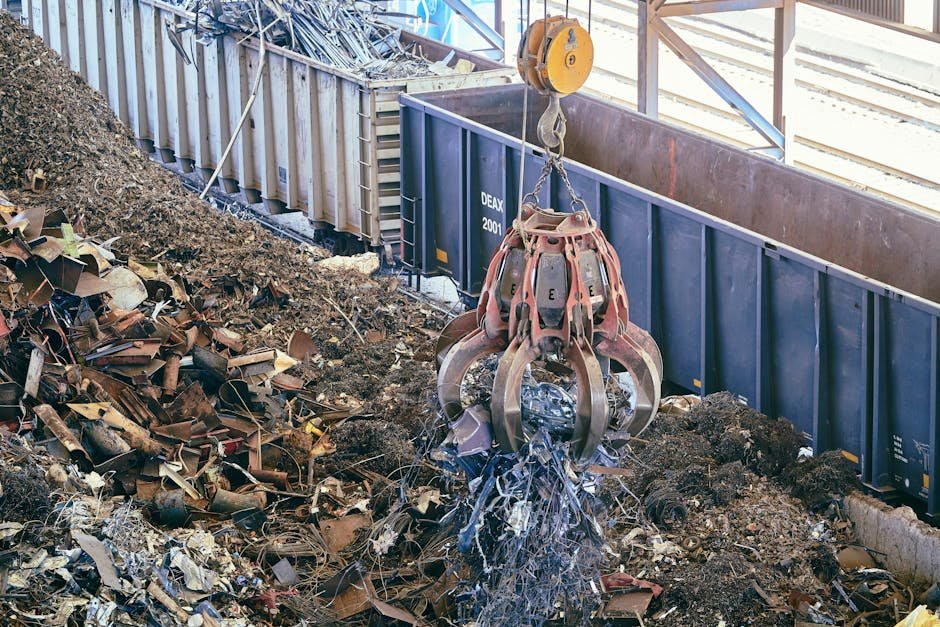

Determining the cast iron price scrap metal requires a nuanced understanding of how global commodities markets interact with local Australian recycling infrastructure. As a primary component of ferrous scrap, cast iron is a highly sought-after material due to its recyclability and the energy efficiency gained by using recycled iron over virgin ore. For sellers looking to maximize their returns, understanding the iron price per kg is only the starting point; you must also consider the specific grade, contamination levels, and the logistical costs associated with transport.
Understanding the Drivers of Cast Iron Market Rates
The current scrap prices for cast iron are never static. They are dictated by a complex interplay of supply and demand, industrial output, and international trade policies. When global steel mills increase production, the demand for high-quality scrap rises, subsequently pushing up the metal prices today. Conversely, when construction activity slows, demand for iron-based materials drops, leading to a downward trend in the price per tonne.
Beyond global trends, local factors play a significant role. If you are preparing a load for the yard, it is essential to consult a reliable scrap metal price list to gauge current market expectations. At L Gordon Iron And Metal Your Trusted Scrap Metal Partner, we emphasize the importance of market transparency. Because cast iron is heavy and dense, even small fluctuations in the price per kg can result in significant differences in your total payout for large industrial or demolition loads.
Factors affecting the cost include the purity of the metal. Cast iron that is heavily rusted, contaminated with non-metallic debris like concrete or plastic, or mixed with high-alloy steels will fetch a lower price. Processors must invest energy and labor to clean this material before it can be fed into an electric arc furnace. Therefore, the cleaner your scrap, the closer you will get to the premium market rate.
Categorizing Cast Iron Grades for Maximum Value
Not all cast iron is created equal. To get the best cast iron price scrap metal, you must identify exactly what you have. Generally, scrap yards categorize cast iron into a few distinct grades:
- Machinery Cast: This is generally the highest-quality grade. It comes from old engine blocks, heavy machinery bases, and industrial equipment. It is clean and free of heavy oxidation.
- Burnt Cast: This material has been exposed to extreme heat, such as fire grates or stoves. It is often more brittle and may have structural changes, which slightly reduces its value compared to clean machinery cast.
- Motor Blocks: These are a specialized grade. They often require specific processing to remove aluminum heads, oil, and coolant before they can be melted down.
- Cast Iron Pipe: Often found in older plumbing systems, this material is heavy and dense. For more details on this specific category, refer to our guide on Cast Iron Pipe Scrap Price Sewer Water Pipes.
It is important to distinguish cast iron from wrought iron. While they sound similar, wrought iron is much more malleable and has a different chemical composition, often fetching a different market rate. If you are unsure about the grade of your material, it is best to speak with a professional at Scrap Trade Australia to ensure you are sorting your metals correctly.
The Environmental and Economic Impact of Recycling
Recycling cast iron is a cornerstone of the circular economy. By diverting this heavy material from landfills, we reduce the need for iron ore mining, which is an energy-intensive and environmentally disruptive process. When you sell your scrap, you are participating in a system that saves up to 75% of the energy required to produce new iron from raw materials. This energy saving directly translates into lower greenhouse gas emissions.
Furthermore, the recycling process itself is highly efficient. Once the scrap reaches a facility like those listed on Scrap Trade, it is shredded, sorted using magnetic separators to remove non-ferrous impurities, and then melted. The resulting molten iron is then cast into new ingots or products, effectively closing the loop. For sellers, understanding the value of your scrap is not just about the money; it is about recognizing the intrinsic value of the material you are keeping in circulation.
For those looking for a deep dive into the transaction side of the business, our article Cast Iron Scrap Price Per Pound A Complete Guide For Sellers provides expert insights into how to negotiate and prepare your materials for the best possible outcome at the scales.
Logistics: Preparing Your Scrap for the Best Return
The cast iron price scrap metal you receive is heavily influenced by how you present the material. Yards are businesses, and they prioritize efficiency. If your scrap is sorted, free of contaminants, and easy to unload, you are far more likely to receive the top end of the current price range. Large, oversized pieces of cast iron may require cutting with an oxy-acetylene torch before they can be processed; if you can do this yourself, you may be able to negotiate a better rate.
Always be aware of the “dirty” factor. If you bring in a load that is 30% concrete and dirt, you will be docked for the weight of the non-metallic material. In some cases, the yard may reject the load entirely if it is deemed too difficult to process. Taking the time to clean your scrap is the single most effective way to increase your profit margin per tonne.
Global Market Trends and Future Outlook
The current scrap prices in Australia are intrinsically linked to the global steel industry, particularly the demand from Asian markets. When China or Southeast Asian nations scale up infrastructure projects, the demand for scrap metal surges. As an expert in the field, I monitor these shifts closely. The move toward “Green Steel”—steel produced using hydrogen or renewable energy—is also beginning to influence the scrap market. High-quality scrap is becoming even more valuable because it is easier to refine into high-grade steel than virgin ore, making the scrap supply chain a strategic national asset.
Why Professional Partnership Matters
Navigating the scrap metal industry can be daunting for those new to the trade. Whether you are a demolition contractor, a farm owner, or an industrial manufacturer, having a reliable partner is crucial. You need a yard that provides accurate weighing, fair grading, and timely payment. When you search for the latest cast iron scrap price, ensure you are looking at data that reflects your specific region, as logistics costs can vary significantly between states.
In conclusion, the cast iron price scrap metal market is a vital component of the Australian economy. By understanding the grades, preparing your material, and staying informed on market fluctuations, you can turn your waste into a significant revenue stream. Always prioritize safety and environmental responsibility when handling and transporting heavy iron scrap, and leverage the expertise of established industry partners to ensure you are getting the best value for your materials.
The industry is constantly evolving, with new technologies for sorting and processing making the recycling of iron more efficient than ever. As we move toward a more sustainable future, the role of the individual seller in the scrap chain becomes increasingly important. By consistently recycling your cast iron, you are contributing to a more sustainable industrial landscape while securing a financial return for your efforts.
Remember that the market is dynamic. What is true today regarding the iron price per kg may shift tomorrow. Keep a close eye on industry reports, maintain good relationships with your local scrap yard, and always strive to present the cleanest material possible. This disciplined approach is the hallmark of a successful scrap metal seller and will ensure you maximize your returns over the long term.
As you continue to engage with the market, consider the broader implications of your scrap metal sales. Every tonne of iron you recycle is a tonne of iron that doesn’t need to be mined from the earth. It is a win for your bottom line and a win for the environment. Stay informed, stay prepared, and keep recycling.
Frequently Asked Questions
Frequently Asked Questions
What is the primary difference between cast iron and steel scrap?
Cast iron has a higher carbon content, making it harder and more brittle, whereas steel is more malleable and ductile. Because of these chemical differences, they are processed separately at recycling facilities and often command different prices.
How can I ensure I get the best price for my cast iron?
To get the best price, ensure your scrap is clean and free of non-metallic contaminants like concrete, wood, or plastic. Sorting your material by grade before arriving at the yard will also help you secure a better rate.
Does rust affect the value of my cast iron scrap?
Surface rust is generally acceptable, but heavy, deep-seated oxidation that compromises the weight and structural integrity of the metal can lead to a lower grade classification. Excessive rust may also lead to deductions based on the estimated yield of the material.
Is it worth separating cast iron from other metals?
Yes, absolutely. Mixing different types of metals, such as copper or aluminum with iron, creates ‘contaminated’ scrap that is much harder to process. Sorting your metals allows the recycler to pay you accurately for each specific material type, which usually results in a higher total payout.