
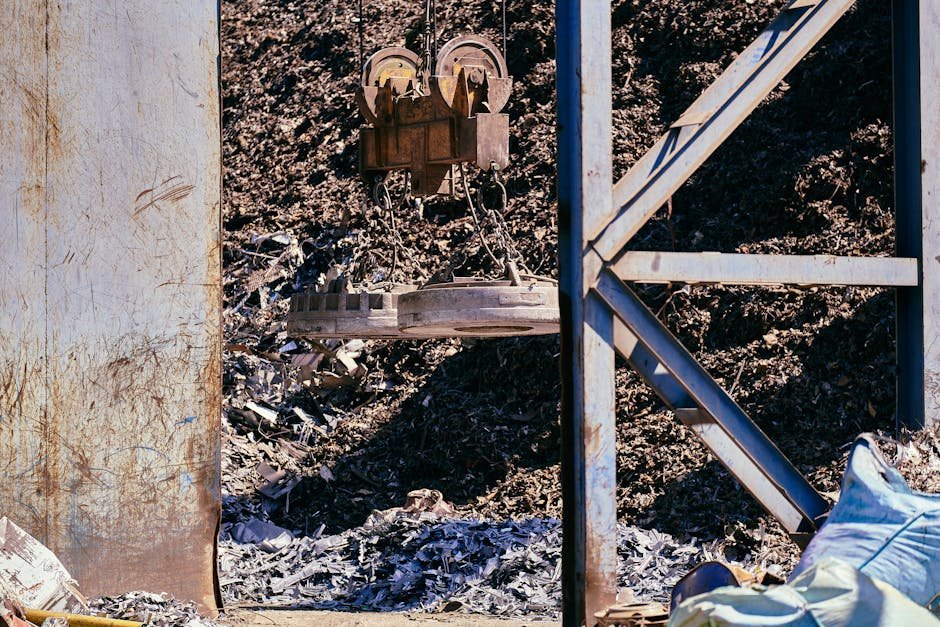

If you have been asking yourself how much is scrap steel worth today, you are likely navigating a complex global market that relies on supply chains, industrial demand, and metallurgical quality. Understanding the value of your materials is the first step in participating in the circular economy. Whether you are a construction firm clearing a site or a homeowner with a pile of old appliances, knowing the nuances of the scrap market is essential for maximizing returns. To get a better grasp of the industry, it is helpful to understand how much is scrap steel worth by looking at current market trends and local Australian yard rates.
The Fundamentals of Ferrous Metal Recycling
Steel is a ferrous metal, meaning it contains iron and possesses magnetic properties that make it relatively easy to sort using industrial magnets. Unlike non-ferrous metals such as copper or aluminum, which often command higher prices due to their scarcity and energy-intensive extraction processes, steel is the most recycled material on the planet. Its ability to be melted down and reformed infinitely without losing structural integrity makes it the backbone of modern infrastructure.
When we talk about the scrap trade, we are referring to the systematic collection, processing, and re-melting of discarded steel. This process begins at the collection point. For those new to this, learning What Scrap Trade Actually Is provides the necessary context for how local yards interact with international steel mills. The industry relies on a hierarchy of quality, where the cleaner the material, the higher the value.
In Australia, the scrap market is heavily influenced by the export demand from Asian steel mills. Because Australia produces a massive amount of iron ore, our domestic steel industry is robust; however, the secondary market—scrap metal—is equally vital for reducing the carbon footprint of new steel production. When you bring your materials to a scrap steel buyer, you are essentially feeding a supply chain that turns old cars, beams, and sheet metal back into raw materials.
Understanding Steel Grades and Preparation
The price you receive is dictated by the grade of the steel. Not all steel is created equal. The market distinguishes between various types, such as mild steel, carbon steel, and stainless steel. Each category has a different chemical composition and, consequently, a different market value. If you are curious about the specific value of corrosion-resistant alloys, you should research the current Stainless Steel Scrap Price.
Preparation is the single most important factor in determining the price per tonne. Yards classify steel based on its size, thickness, and level of contamination. For instance, heavy structural steel is often categorized differently than light gauge sheet metal. To understand how yards classify your load, refer to our guide on Steel Scrap Grading 1 Prepared 2 Prepared Shredded. This guide explains why a piece of steel that is cut to specific dimensions is worth more than a tangled mess of wire and mixed debris.
Mild steel is the most common form of scrap found in general demolition. It is ductile, easy to weld, and highly recyclable. However, if that mild steel is covered in rubber, plastic, or concrete, it will be downgraded to ‘dirty’ scrap. Cleaning your steel before taking it to the yard is the most effective way to increase your profit margin. Always aim to remove non-metallic attachments to ensure your load qualifies for a higher grade.
The Economics of Steel Price Per Tonne
The steel price per tonne is not a static number. It is a volatile commodity price that shifts daily based on the London Metal Exchange (LME) and local supply-demand dynamics. Several factors influence these fluctuations:
- Global Demand: High construction activity in major economies drives up the demand for recycled steel, pushing prices higher.
- Logistics and Transport: Because steel is heavy, the cost of transporting it from the collection yard to the processing plant or port significantly impacts the net price offered to the seller.
- Energy Costs: The cost of electricity and fuel to power the shredders and furnaces used in recycling directly affects the overhead of the recycling facility.
- Currency Exchange: Since much of the steel trade occurs in USD, the strength of the Australian dollar plays a role in the final payout.
When you look at the market, it is easy to get overwhelmed by the jargon. However, keeping a regular eye on industry updates through a trusted scrap metal trading platform will help you time your sales for when the market is peaking. Being patient and waiting for favorable conditions can sometimes result in significantly better returns for large-scale industrial scrap.
How the Recycling Process Works
The journey of a piece of scrap steel from a demolition site to a new product is a marvel of industrial efficiency. It typically follows a four-stage process:
1. Collection and Sorting
Once the steel is collected, it is sorted by hand or machine. Advanced recycling facilities use eddy current separators and high-powered magnets to distinguish between ferrous and non-ferrous metals. This is where the initial grading happens.
2. Processing and Shredding
Large hydraulic shears cut bulky items into manageable sizes. For smaller or mixed items, industrial shredders tear the material into small, uniform pieces. This increases the surface area, making the subsequent melting process faster and more energy-efficient.
3. Melting and Purification
The shredded steel is fed into an Electric Arc Furnace (EAF). Here, the metal is melted at extremely high temperatures. During the melting process, impurities are removed, and alloying elements are adjusted to meet the specific requirements of the desired end product.
4. Casting and Rolling
The molten steel is cast into billets, blooms, or slabs. These are then rolled into finished products like steel beams, rebar, or sheet metal, which are sent back into the construction or manufacturing sector.
By utilizing professional scrap metal services in Australia, you ensure that your materials are processed according to the highest environmental and safety standards, keeping harmful materials out of landfills.
Environmental Benefits of Steel Recycling
Recycling steel is one of the most effective ways to reduce industrial environmental impact. Steel is 100% recyclable, meaning it can be recycled over and over again without any degradation in quality. The environmental benefits are substantial:
- Energy Savings: Producing steel from scrap requires significantly less energy than producing it from virgin iron ore. Estimates suggest that recycling steel saves approximately 75% of the energy required to create new steel.
- Carbon Footprint Reduction: By reducing the energy needed for extraction and smelting, the carbon emissions associated with steel production are drastically lowered.
- Landfill Diversion: Steel is bulky and takes up valuable space in landfills. By recycling, we extend the life of these facilities and prevent soil and water contamination.
- Conservation of Natural Resources: Every tonne of recycled steel saves over a tonne of iron ore, 600kg of coal, and 50kg of limestone.
In the context of Australia’s commitment to net-zero emissions, the recycling industry plays a pivotal role. When businesses and individuals prioritize recycling, they are directly contributing to a lower-carbon future.
Practical Tips for Maximizing Your Scrap Returns
If you want to know how much is scrap steel worth for your specific pile, you need to be strategic. Here are some expert tips to ensure you get the best deal:
- Sort Your Metals: Never mix your ferrous scrap with non-ferrous metals like copper or brass. Mixing these will often result in the entire load being paid at the lowest common denominator price.
- Clean the Material: Remove as much non-metal debris as possible. If you have steel with attached plastic or wood, take the time to strip it. The weight of the steel is what you are paid for; the weight of the debris is just a deduction.
- Volume Matters: While small loads are accepted, larger quantities often qualify for better pricing or even free collection services. If you have a large demolition project, contact the yard in advance to discuss volume-based pricing.
- Build a Relationship: If you are a regular supplier, talk to the yard manager. Establishing a relationship can lead to better service and potentially better rates for consistent, high-quality loads.
- Stay Informed: Use online resources to track price trends. If the market is currently experiencing a dip, and you have the space to store your scrap, it might be worth holding onto it until the market rebounds.
The Future of the Scrap Steel Industry
The future of the steel industry is undeniably tied to the circular economy. As global pressure to decarbonize intensifies, the demand for high-quality scrap steel will only increase. We are seeing a shift toward ‘green steel’ production, where renewable energy powers the EAFs, making the entire lifecycle of the metal almost entirely carbon-neutral.
For Australians, this means that the scrap in your backyard or your warehouse is becoming an increasingly valuable asset. As we move away from a ‘take-make-dispose’ model, the infrastructure for collecting and processing scrap will become more sophisticated. Digital platforms are already making it easier to track prices, find buyers, and manage logistics, bringing transparency to a historically opaque market.
Whether you are a small-scale contractor or a large industrial operator, understanding the value of your scrap is not just about the bottom line—it is about participating in a global movement toward sustainability. By keeping steel in the loop, we reduce the need for destructive mining and ensure that the resources we have already extracted are used to their fullest potential.
Conclusion
Navigating the scrap market can seem daunting, but it becomes much simpler when you focus on the fundamentals: quality, sorting, and timing. By understanding how much is scrap steel, you empower yourself to make informed decisions that benefit both your wallet and the planet. Remember that the market rewards preparation; by ensuring your steel is clean and properly graded, you ensure that you receive the maximum value for your effort.
The scrap trade is a vital component of the Australian economy, and by engaging with professional recycling services, you are helping to build a more resilient and sustainable industrial sector. Keep your eyes on the market, maintain your standards, and continue to recycle. Every tonne of steel you divert from a landfill is a win for the environment and a step toward a more efficient future.
Frequently Asked Questions
Why does the price of scrap steel change so often?
The price of scrap steel is a global commodity price influenced by supply and demand, energy costs, and international trade policies. Because steel is traded on a global market, local prices in Australia fluctuate in response to these international economic shifts.
What is the difference between prepared and unprepared scrap?
Prepared scrap has been processed to meet specific size and cleanliness standards set by steel mills, making it easier to melt. Unprepared scrap is bulky, contains mixed materials, or is oversized, which requires more labor and energy for the recycling facility to process.
Is it worth separating my scrap steel from other metals?
Yes, absolutely. Mixing metals like copper, aluminum, or brass with steel will often result in the entire load being downgraded to a lower price tier. Keeping them separate ensures you receive the highest market rate for each specific type of metal.
How can I find out the current price for my scrap steel?
You can check current market trends through online scrap trading platforms or by calling your local scrap metal yard directly. Prices can vary between yards, so it is often worth getting a quote if you have a significant volume of material.