
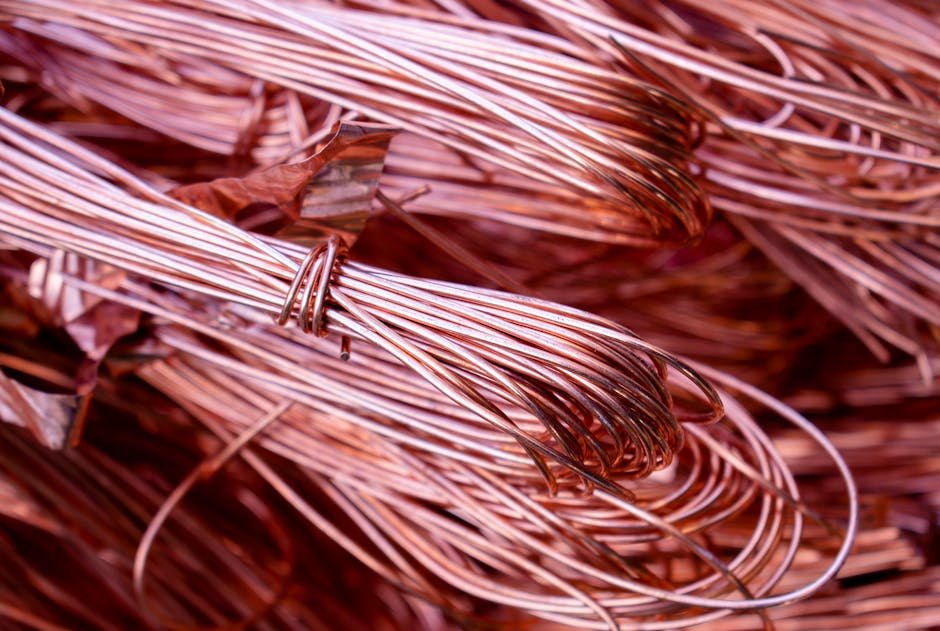

Navigating the volatile world of bare copper prices requires a solid understanding of how global commodities markets intersect with local industrial needs. For contractors, electricians, and demolition experts in Australia, knowing the value of your scrap is not just about profit—it is about operational efficiency. Whether you are dealing with large-scale industrial copper wire or smaller quantities of plumbing materials, the price you receive is dictated by the purity, weight, and current economic climate. By staying informed on bare copper prices, you can time your sales to maximise returns and ensure you are getting fair value for your materials.
Understanding the Drivers of Bare Copper Prices
The global copper market is often referred to as ‘Dr. Copper’ because it is considered a reliable barometer for the health of the global economy. When bare copper prices shift, it reflects changes in manufacturing demand, infrastructure spending, and mining output. In Australia, these global trends are filtered through the AUD/USD exchange rate, as copper is traded internationally in US dollars. When the Australian dollar is strong, the local price of copper in AUD terms may remain stable even if the global price fluctuates. Conversely, a weak dollar can inflate local prices, providing a windfall for those holding scrap.
Beyond currency, the LME (London Metal Exchange) acts as the primary price discovery mechanism. Scrap yards and recycling platforms use the LME spot price as a base, then apply a ‘spread’ to account for processing, transportation, and overhead costs. This is why you will see different Scrap Prices across various regions. Understanding these mechanics is essential for anyone looking to optimize their scrap metal trading strategy.
Categorising Copper: From Bare Bright to Number 2
Not all copper is created equal. The scrap industry relies on strict grading standards to determine the value of a load. The highest value is typically assigned to ‘Bare Bright’ copper. This refers to copper wire that is unalloyed, uncoated, and free of any oxidation or insulation. It must be at least 16 gauge in thickness—essentially clean, shiny, and ready for the smelter without further processing.
Next in the hierarchy is number 2 copper. This category includes copper that has some minor impurities, such as light oxidation, soldering, or paint. While it still commands a high price, it is lower than bare bright because it requires additional refining steps. Understanding these grades is critical when you visit a facility to check for Scrap Copper Prices Near Me. If you mix your grades, you risk being paid at the lowest common denominator, which significantly impacts your bottom line. Always separate your materials into clean, bare bright, and number 2 categories before heading to the scales.
The Role of Copper Recycling in the Circular Economy
Copper recycling is a cornerstone of the modern industrial economy. Unlike many other materials, copper can be recycled indefinitely without losing its physical or chemical properties. This makes it an incredibly sustainable resource. By choosing to recycle, you are not only earning money but also reducing the energy-intensive process of mining and refining virgin ore. In Australia, the demand for recycled copper is driven by the transition to renewable energy systems, which require vast amounts of copper for turbines, solar panels, and electrical grids.
When you look for Bare Bright Copper Prices Today In Australia, you are participating in a global supply chain that values secondary materials as much as primary ones. The efficiency of the recycling process means that scrap metal platforms like Scraptrade.com.au can bridge the gap between small-scale suppliers and large industrial consumers, ensuring that this valuable metal stays in circulation.
Factors Influencing Current Scrap Prices
Several factors beyond the LME price influence current scrap prices. Regional demand is a major player; if a local refinery or manufacturer has a sudden spike in production, they may offer premiums for local scrap to avoid logistics costs. Furthermore, transportation costs play a significant role. If you are located in a remote area, the cost of moving heavy metals to a processing hub will be deducted from the price you receive.
Seasonality also impacts the market. Construction activity often slows during certain parts of the year, which can lead to a dip in the supply of scrap copper. Conversely, when demolition projects are in full swing, supply increases, which can put downward pressure on prices. For the best insights, you should regularly consult resources regarding recycled copper prices to track how these seasonal trends affect your specific region.
Processing Copper Pipe and Other Scrap Forms
Copper pipe is a common find for plumbers and HVAC technicians. To get the best price, it is important to clean the material. Remove any brass fittings, plastic attachments, or significant solder joints. While ‘clean’ copper pipe is highly valuable, ‘dirty’ copper (pipe with heavy solder or attachments) will be downgraded to a lower grade, resulting in a lower payout. Many professional scrappers use specialized tools to strip insulation from wires and remove fittings from pipes to ensure they are getting the maximum value for their efforts.
When dealing with large volumes, it is worth establishing a relationship with a trusted scrap metal trading platform. They can provide guidance on current market trends and help you understand how to prepare your materials for the best possible valuation. By treating your scrap as a refined commodity rather than just ‘junk,’ you significantly increase your profit margins.
The Future of Copper and Market Outlook
As the world moves toward electrification, the demand for copper is projected to grow significantly. Electric vehicles (EVs), charging infrastructure, and grid upgrades all rely heavily on copper. This long-term demand curve suggests that copper will remain a high-value commodity for the foreseeable future. For those involved in the industry, keeping an eye on copper prices for recycling is not just about short-term gains but about understanding the long-term viability of the scrap metal market.
Investors and traders often look at the ‘copper-to-gold’ ratio to gauge market sentiment. When copper prices rise relative to gold, it typically signals a growing economy. As an expert in the field, you should aim to stay informed on these macroeconomic indicators, as they often precede shifts in the local scrap market by several weeks or months.
Practical Tips for Maximising Your Scrap Returns
1. Sort and Grade: Never mix your grades. Keep your bare bright copper separate from your number 2 copper and your insulated wire. 2. Clean Your Materials: Remove non-copper attachments. The cleaner the load, the higher the price. 3. Monitor the Market: Use online tools to track metal prices today so you know when to sell. 4. Build Relationships: Working with a reliable buyer ensures consistent service and competitive pricing. 5. Safety First: Always handle scrap metal with appropriate protective gear to avoid cuts and injuries. 6. Volume Matters: Larger loads are often easier to process and may command better rates than small, sporadic drops.
Conclusion: Navigating the Market with Confidence
Mastering the art of scrap metal trading requires patience, knowledge, and the right tools. By understanding the nuances of bare copper prices and the factors that influence them, you can turn your scrap piles into a reliable revenue stream. Whether you are a professional contractor or an occasional recycler, the principles remain the same: quality, preparation, and market awareness are your best assets. Continue to monitor the industry, refine your sorting processes, and leverage digital platforms to ensure you are always getting the best value for your materials. The scrap market is a vital component of the Australian economy, and by participating in it effectively, you contribute to a more sustainable and efficient future.
Frequently Asked Questions
What is the difference between bare bright and number 2 copper?
Bare bright copper consists of clean, unalloyed, and uncoated wire that is at least 16 gauge thick. Number 2 copper includes wire or pipe that has minor impurities like oxidation, paint, or light solder, making it slightly less valuable.
How often do scrap metal prices change?
Scrap metal prices are volatile and can change daily or even hourly depending on the London Metal Exchange (LME) spot price and local market demand. It is recommended to check current rates on the day you plan to sell.
Does the AUD/USD exchange rate affect my scrap copper payout?
Yes, because copper is a globally traded commodity priced in USD, the strength of the Australian dollar directly influences the local price you receive. A weaker AUD often leads to higher prices for Australian sellers.
Should I strip insulation from copper wire before selling it?
Generally, yes. Stripping the insulation converts the material from ‘insulated wire’ to ‘bare copper,’ which commands a significantly higher price per kilogram. However, ensure the time and effort required to strip it are worth the price difference.