
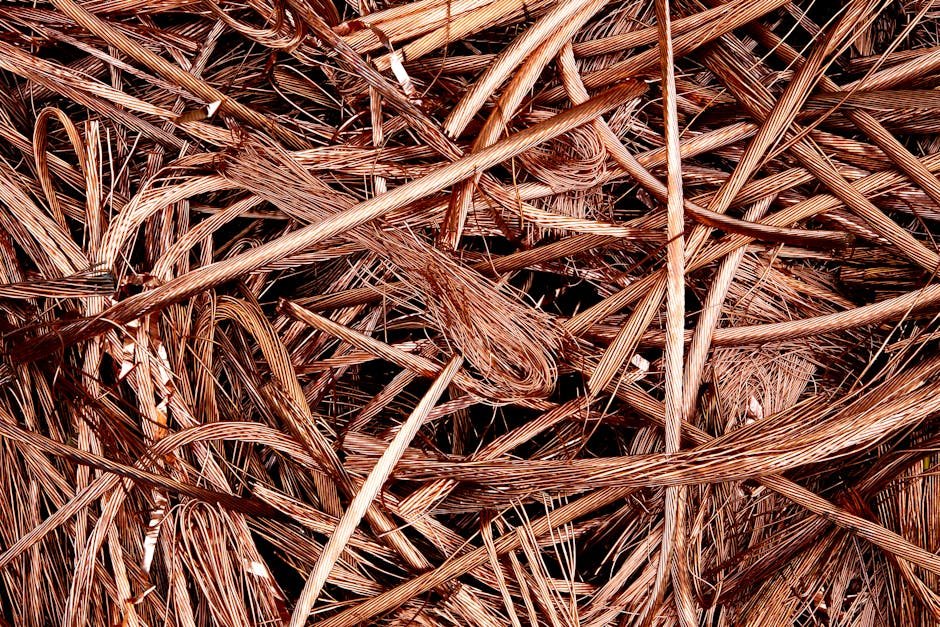

Navigating the world of a copper scrap sale requires more than just gathering old metal; it demands a technical understanding of metal grading, market fluctuations, and the logistical side of the Australian recycling industry. As one of the most valuable non-ferrous metals, copper remains a cornerstone of the global economy, driven by its unparalleled conductivity and recyclability. Whether you are a trade professional clearing a job site or a homeowner with leftover plumbing supplies, maximizing your return requires precision. For those looking to optimize their workflow, understanding the nuances of Scrap Copper is the first step toward turning waste into a significant revenue stream.
Understanding Copper Grades: What Are You Selling?
To ensure a successful copper scrap sale, you must first categorize your material correctly. Copper is not a monolith; its value is determined by its purity, oxidation levels, and the presence of contaminants like solder, paint, or insulation. Professional copper scrap buyers use standardized grading to set their pricing.
- Bare Bright Copper: This is the gold standard. It consists of unalloyed, uncoated, and unalloyed copper wire, stripped of all insulation. It must be clean and free of corrosion or oxidation. Because it is essentially pure copper, it fetches the highest copper price per kg.
- Number 1 Copper: This grade includes clean, unalloyed copper pipe and bus bars. It should be free of solder, paint, or other metal attachments. While slightly less valuable than bare bright, it remains a premium grade.
- Number 2 Copper: This category is more forgiving. It includes copper wire or pipe that may have minor oxidation, paint, or light solder traces. Many people in the Copper Scrap Group often deal in this grade because it is common in demolition and renovation projects.
- Insulated Copper Wire: This is copper wire that still has its plastic or rubber coating. The value here is determined by the “recovery rate”—the percentage of copper weight compared to the total weight of the wire and insulation.
By correctly sorting your materials before arriving at the yard, you prevent your high-value copper from being downgraded, ensuring you receive the best possible payout for your efforts.
The Economics of Copper Recycling in Australia
The Australian scrap market is highly sensitive to global commodity prices, which are influenced by demand from manufacturing hubs in Asia and the performance of the Australian Dollar. When you search for Scrap Copper Prices Near Me, you are looking at a snapshot of a volatile market. Factors such as mining output in South America, global infrastructure spending, and the transition to renewable energy all play a role in the daily fluctuations of copper values.
Recycling is not just about profit; it is an economic necessity. Mining virgin copper is an energy-intensive process that involves massive land disruption and chemical processing. In contrast, recycling copper uses up to 85% less energy than primary extraction. This efficiency makes copper one of the most sustainable materials on the planet. When you engage in a copper scrap sale, you are participating in a circular economy that reduces the need for new mining operations, thereby lowering the carbon footprint of the entire construction and manufacturing sector.
How to Prepare Your Scrap for Maximum Profit
Preparation is the secret weapon of the professional scrapper. If you bring a mixed bin of dirty, insulated, and clean copper to a yard, you will likely be paid for the lowest grade in that bin. To maximize your returns, follow these best practices:
- Strip the Insulation: If you have large quantities of copper wire, investing in a wire stripping machine can significantly increase your profit. Bare bright copper is worth substantially more than insulated wire.
- Clean Your Pipes: Remove any fittings, lead solder, or plastic connectors from your copper pipe. A clean pipe is classified as Number 1 copper, whereas a pipe with solder is often downgraded to Number 2.
- Separate by Grade: Never mix your grades. Keep your bare bright, Number 1, and Number 2 piles separate. This demonstrates to the buyer that you are a serious seller and prevents accidental downgrading.
- Remove Contaminants: Ensure there is no steel, plastic, or debris attached to the copper. Even small amounts of steel can lead to your entire load being rejected or reclassified.
For local insights and real-time updates, you can check copper scrap prices near me to ensure you are selling when the market is favorable. Being informed is the most effective way to secure a fair price.
Environmental Benefits of Copper Recycling
The environmental case for recycling is undeniable. Copper is a unique metal that can be recycled indefinitely without losing any of its chemical or physical properties. This means that a copper pipe installed in a home today could, in theory, be recycled dozens of times over the next century.
By choosing to recycle, you are helping to reduce the volume of waste sent to Australian landfills. Furthermore, the energy savings associated with recycling copper translate to a significant reduction in greenhouse gas emissions. In a world increasingly focused on ESG (Environmental, Social, and Governance) criteria, the scrap metal industry is a vital partner in the green transition. Whether you are a large-scale industrial operator or an individual, your decision to recycle contributes to a more sustainable future for Australia.
Logistics and Safety in Scrap Handling
Handling scrap metal is not without risks. Copper is heavy, and copper wire or pipe can have sharp edges. Always wear appropriate PPE, including heavy-duty gloves and steel-capped boots, when handling large quantities of scrap. If you are transporting large loads, ensure your vehicle is rated for the weight and that the load is properly secured to comply with Australian road safety regulations.
For those managing large volumes, such as demolition contractors, partnering with a reliable scrap metal platform is essential. You can find comprehensive resources and professional connections at Australia’s leading scrap metal network. Having a streamlined logistics plan—including proper storage, sorting bins, and a scheduled pickup or drop-off routine—will save you time and maximize the efficiency of your operations.
The Future of the Copper Market
As the global economy shifts toward electrification, the demand for copper is projected to skyrocket. Electric vehicles (EVs), wind turbines, and solar panels all require significantly more copper than their traditional counterparts. This “electrification boom” is creating a long-term upward pressure on demand, which is excellent news for anyone involved in the scrap industry.
However, with increased demand comes increased scrutiny. Modern recycling facilities are investing heavily in advanced sorting technology, such as X-ray fluorescence (XRF) analyzers, to ensure purity and quality control. As a seller, staying ahead of these trends by understanding how your scrap is processed will give you a competitive edge. Visit the main portal for more information on how the industry is evolving and how you can stay updated on market shifts.
Common Pitfalls to Avoid
Even experienced recyclers can fall into traps that cost them money. One common mistake is failing to account for the weight of non-metal attachments. If you sell a large copper motor, remember that the copper inside is only a fraction of the weight. You should decide whether it is more profitable to sell the whole unit as “electric motors” or to break it down to extract the copper windings yourself.
Another pitfall is ignoring the “market cycle.” Copper prices often follow a seasonal trend, influenced by construction activity. Being aware of these cycles allows you to store your scrap during low-price periods and sell when the market peaks. Always keep an eye on international market reports, as Australia is a price-taker in the global commodities market.
Building a Long-Term Relationship with Buyers
Consistency is key. If you are a regular supplier of high-quality, well-sorted scrap, you will build a reputation with your local yard. This relationship can lead to better service, more transparent pricing, and even preferred status during busy times. Treat your scrap metal business as a professional venture, and you will see the rewards in your bottom line.
Remember that the scrap industry is built on trust and accuracy. By providing clean, well-sorted material and maintaining clear communication with your buyers, you ensure a smooth transaction every time. Whether you are dealing with high-grade copper wire or bulk copper pipe, the principles of quality and preparation remain the same.
In conclusion, a successful copper scrap sale is the result of preparation, timing, and industry knowledge. By understanding the different grades, keeping your materials clean, and staying informed about market trends, you can turn your scrap into a reliable source of income while contributing to a more sustainable, circular economy. Start sorting your scrap today, keep an eye on the market, and make the most of the valuable resource that is copper.
Frequently Asked Questions
What is the difference between bare bright and number 2 copper?
Bare bright copper is pure, unoxidized, and uncoated copper wire, which commands the highest price. Number 2 copper may contain minor oxidation, paint, or solder, making it a lower grade with a lower market value.
How can I get the best price for my copper scrap?
To get the best price, ensure your copper is clean, free of contaminants like plastic or steel, and properly sorted by grade. Monitoring daily market rates and selling when prices are high will also maximize your profit.
Why is copper recycling important for the environment?
Recycling copper consumes up to 85% less energy than mining and refining virgin ore. This process significantly reduces greenhouse gas emissions and minimizes the environmental impact of large-scale mining operations.
Should I strip insulation off my copper wire?
Yes, stripping insulation significantly increases the value of your scrap. Bare copper is classified as a higher grade than insulated wire, which is usually penalized for the weight of the plastic coating.