
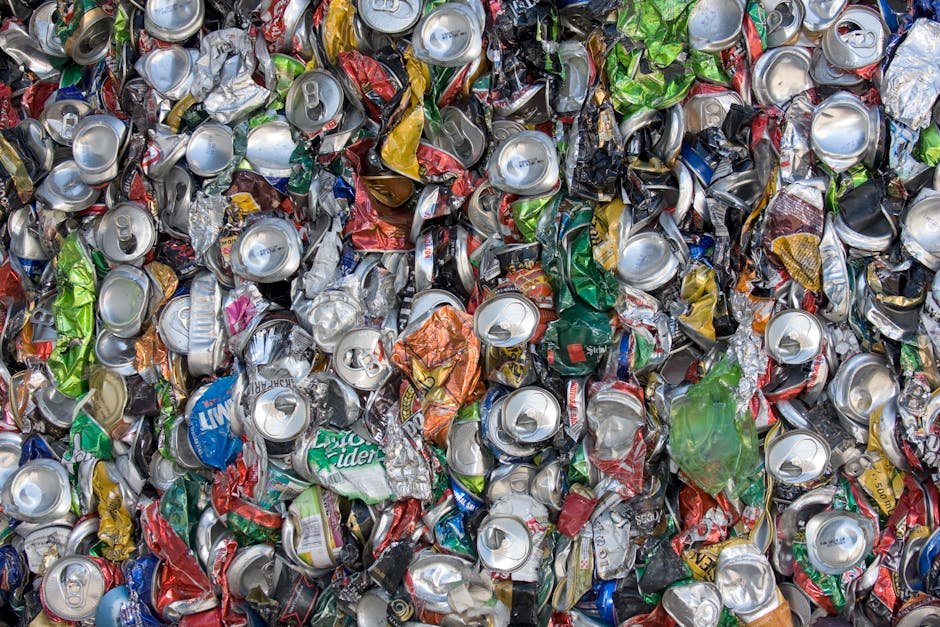

Navigating the complex world of aluminum scrap prices requires more than just a quick look at a ticker symbol. For businesses, tradespeople, and industrial recyclers across Australia, understanding the nuances of the metal market is essential for maximizing profitability. Whether you are dealing with large-scale industrial offcuts or managing a collection of aluminum cans, the value you receive is dictated by a global supply chain that balances international commodity indices with domestic logistical costs.
Understanding Market Dynamics and How Aluminum Scrap Prices Are Set
The global metal market is a complex ecosystem. When you check for aluminum scrap prices, you are essentially looking at a derivative of the London Metal Exchange (LME) spot price. The LME sets the benchmark for primary aluminum, but scrap is a secondary market. This means the price you see at your local yard is the LME price minus the costs of collection, processing, logistics, and the yard’s profit margin.
Several factors influence the market rate at any given time. First, the purity of the alloy is paramount. Aluminum is rarely used in its pure form; it is usually alloyed with copper, magnesium, or silicon to enhance strength. When you bring your scrap to a facility, the yard must assess the chemical composition. If you want to stay updated on current trends, it is helpful to regularly monitor Scrap Prices to see how the market is trending. Furthermore, the global demand for aluminum in the automotive and construction sectors acts as a primary driver. When automotive manufacturing slows down, the demand for secondary aluminum scrap often dips, leading to lower prices for the recycler.
Currency fluctuations also play a massive role. Since aluminum is traded globally in USD, the strength of the Australian Dollar (AUD) against the US Dollar directly impacts the local price per tonne. When the AUD is weak, the cost of imported aluminum rises, which in turn increases the value of domestic scrap. Conversely, a strong AUD can suppress the local price. For those looking for the best returns, keeping an eye on Scrap Metal Prices is a vital part of the business strategy.
Categorizing Aluminum Scrap: Grades and Their Value
Not all aluminum is created equal. To get the best aluminum scrap prices, you must understand how your material is graded. Yards categorize scrap based on its alloy composition and level of contamination. Common grades include:
- Aluminum Extrusion (6063): This is high-quality, clean aluminum often found in window frames, door frames, and architectural components. It is highly sought after because it is relatively pure and easy to recycle into new extrusions.
- Aluminum Cans (UBCs): Used Beverage Cans are a staple of the recycling industry. They are lightweight, abundant, and have a high recovery rate. However, they must be free of liquid and food residue to maintain their value.
- Cast Aluminum: This includes engine blocks, transmission housings, and lawnmower decks. It contains higher levels of silicon and is generally worth less than clean extrusion.
- Sheet Aluminum: This includes roofing, siding, and various industrial panels. It is often painted or coated, which requires additional processing, slightly lowering the price compared to bare metal.
- Aluminum Wire: Often found in electrical infrastructure, this is highly valuable if stripped of its insulation.
When you are looking to sell, ensure you separate your materials. Mixing high-grade extrusion with low-grade cast aluminum will result in the entire batch being valued at the lower rate. For those specifically dealing with high-end salvage, checking aluminum salvage prices can help you distinguish between standard scrap and specialized components.
The Logistics of Recycling: From Collection to Melt
The journey of a scrap aluminum piece is a marvel of circular economy efficiency. Once you drop off your metal at a recycling facility, it is weighed and sorted. Advanced technology, such as X-ray fluorescence (XRF) analyzers, is now commonly used to determine the exact alloy composition of a piece of metal within seconds. This ensures that the recycler can group the metal into specific categories for the smelter.
After sorting, the aluminum is shredded or baled. Shredding allows for the removal of non-metallic contaminants like plastic, rubber, or steel fasteners through magnetic separation and eddy current separators. The resulting “twitch” or “tweak” (shredded aluminum) is then transported to a smelter. At the smelter, the aluminum is melted down in large furnaces. Because aluminum can be recycled infinitely without losing its physical properties, this secondary aluminum is just as valuable as primary aluminum produced from bauxite ore.
The energy savings are staggering. Producing aluminum from recycled scrap requires approximately 95% less energy than producing it from virgin bauxite ore. This is why the industry is so focused on increasing collection rates. If you are a business looking for a reliable partner, you might want to visit our main portal for Australian scrap metal trading to learn more about how we facilitate this industrial loop. We ensure that every kilo of metal is accounted for and processed with maximum efficiency.
Regional Variations and Finding the Best Rates
While the LME provides a global baseline, the price per kg you receive at a yard can vary significantly based on your location. Logistics are a major cost factor. If you are located in a remote area, the cost of transporting the scrap to a major processing hub will be deducted from your payout. This is why it is critical to search for Scrap Metal Prices Near Me to find a local yard that can offer competitive rates without the burden of excessive freight costs.
Urban centers generally offer more competitive pricing due to higher volume and lower transport costs. Furthermore, yards that specialize in specific metals often have better relationships with smelters, allowing them to pass on higher margins to the seller. It is also worth noting that other metals, such as copper or brass, can be sold alongside aluminum. If you have a mix of materials, checking scrap brass prices per kg can help you estimate the total value of your load before you head to the yard. Remember, consistency is key; regular suppliers who bring in clean, sorted loads are often offered better prices than occasional sellers.
Environmental Benefits and the Circular Economy
Recycling aluminum is one of the most effective ways to reduce industrial carbon footprints. By choosing to recycle rather than discard, you are contributing to a massive reduction in greenhouse gas emissions. The mining of bauxite requires massive clear-cutting, and the refining process (the Bayer process) is extremely energy-intensive and produces significant chemical waste (red mud).
By contrast, the secondary aluminum industry supports a circular economy. When you sell your scrap, you are feeding a system that keeps high-value materials in the production cycle. This reduces the need for new mining projects and preserves natural landscapes. For companies, participating in this process is also a way to meet ESG (Environmental, Social, and Governance) targets. Many corporations are now actively seeking out recycled aluminum content to satisfy consumer demand for sustainable packaging and manufacturing. As a leader in the industry, the Scrap Trade platform connects you with the resources needed to make informed recycling decisions that benefit both your bottom line and the planet.
Practical Tips for Maximizing Your Payout
If you want to get the most out of your scrap, preparation is everything. Here are a few expert tips to ensure you receive the highest possible price per tonne:
- Keep it Clean: Remove as much non-aluminum material as possible. Steel screws, plastic coatings, and rubber seals are considered contaminants. The more “pure” your load is, the higher the price.
- Sort by Grade: Never mix your alloys. Keep your aluminum extrusion separate from your cast aluminum and your sheet metal. A mixed load will almost always be priced at the lowest common denominator.
- Store Properly: Keep your scrap under cover if possible. While aluminum doesn’t rust like iron, oxidation can occur, and dirt or water weight can affect the final scale reading.
- Build Relationships: If you are a regular supplier, talk to the yard manager. They are often willing to offer better rates for reliable, high-quality, and consistent supply.
- Stay Informed: Use online resources to track metal prices today. Knowing the market trend before you go to the yard gives you a significant advantage in negotiations.
By treating your scrap as a high-value commodity rather than waste, you shift your perspective from “getting rid of junk” to “liquidating assets.” This professional approach is what separates casual recyclers from those who successfully monetize their scrap metal streams.
The Future of Aluminum Recycling in Australia
The Australian scrap metal market is undergoing a period of rapid modernization. With the introduction of new environmental regulations and the increasing cost of raw materials, the importance of secondary aluminum will only grow. We are seeing increased investment in automated sorting technology, which allows for even finer separation of alloys. This means that in the future, we may see even more specific grades of aluminum being traded, potentially leading to higher premiums for high-purity scrap.
Furthermore, the shift toward electric vehicles (EVs) will have a profound impact on the aluminum market. EVs require significant amounts of aluminum for lightweighting, which is essential for extending battery range. As the automotive industry transitions, the demand for recycled aluminum will skyrocket. This will likely lead to more stable and potentially higher aluminum scrap prices in the long term, as the demand for secondary metal becomes a critical component of the supply chain.
For those involved in the trade, now is the time to build the infrastructure and the relationships necessary to capitalize on these trends. Whether you are a small business owner or a large industrial operator, staying ahead of the curve requires constant learning and a commitment to quality. By leveraging the tools provided by our platform, you can stay updated on the latest market movements and ensure that your recycling efforts are as profitable as possible.
Conclusion: Taking Action in the Aluminum Market
The aluminum scrap industry is a vital pillar of the modern economy. It provides a sustainable path forward for manufacturing while offering a tangible financial reward for those who participate. By understanding how aluminum scrap prices are determined, how to properly grade your material, and how to navigate the local market, you can turn your scrap into a consistent revenue stream.
Remember that the market is dynamic. What you see today as a simple pile of metal is, in the eyes of the global market, a valuable resource waiting to be re-forged. Whether you are dealing with large-scale industrial scrap or smaller quantities, the principles of cleanliness, sorting, and market timing remain the same. Use the resources available on our platform to track, trade, and thrive in this essential industry. Your commitment to recycling is not just good for your wallet—it is an essential contribution to a more sustainable, resource-efficient future for Australia.
Frequently Asked Questions
How often do aluminum scrap prices change?
Aluminum scrap prices are tied to the London Metal Exchange (LME) and can fluctuate daily. It is recommended to check the current market rates on the day you plan to sell your scrap to ensure you are getting an accurate price.
What is the most valuable type of aluminum scrap?
Clean aluminum extrusion (such as window and door frames) typically fetches the highest price per kg. This is because it is a high-purity alloy that is easy for smelters to process and reuse.
Does the color or paint on aluminum affect the price?
Yes, painted or coated aluminum is generally worth less than clean, bare aluminum. The paint or coating is considered a contaminant that must be removed during the smelting process, which adds to the operational costs.
Why should I separate my aluminum scrap before selling it?
Separating your scrap by grade ensures you receive the highest possible price for each type of metal. If you mix high-grade extrusion with lower-grade cast aluminum, the entire batch is usually valued at the lower rate.