
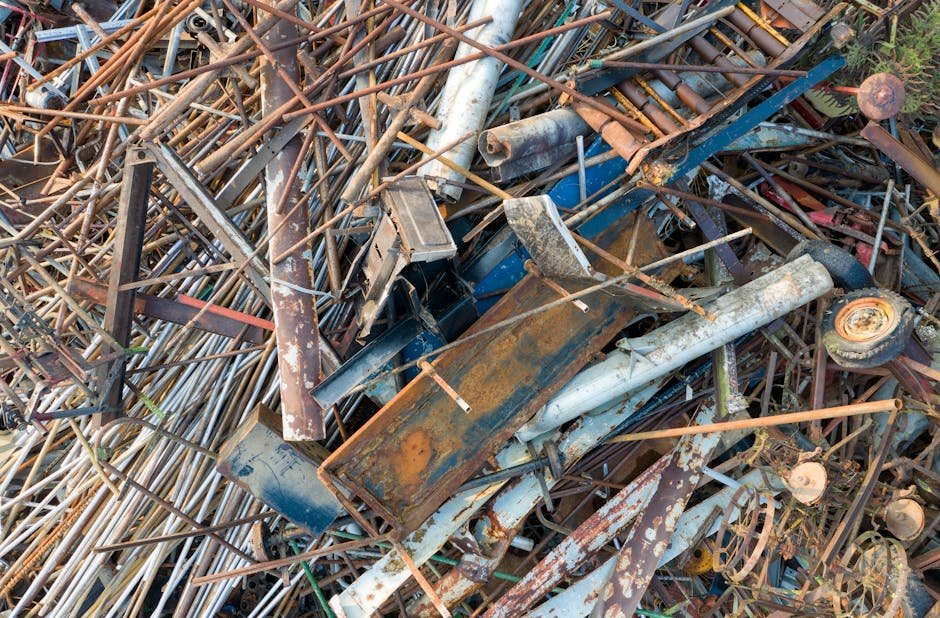

Navigating the volatile landscape of the recycling industry requires a clear understanding of the price of scrap metal per ton. Whether you are a commercial contractor or an individual recycler, knowing how market dynamics influence your bottom line is essential for maximizing returns on your materials. In Australia, the recycling sector is a cornerstone of the circular economy, turning discarded industrial waste into valuable raw materials for manufacturing. To get the most accurate data, you should regularly consult our scrap metal price list, which is updated to reflect the latest market shifts.
Understanding Market Dynamics and Global Price Drivers
The global commodities market dictates the underlying value of metals. When you look at the price of scrap metal per ton, you are essentially looking at a derivative of the London Metal Exchange (LME) prices. However, the final rate offered at a local yard is adjusted for local logistics, processing costs, and purity levels. Factors such as the strength of the Australian dollar, global industrial demand from manufacturing hubs like China and India, and energy costs all play a role in setting the price of scrap metal per ton.
To stay ahead of these shifts, savvy recyclers utilize a Scrap Price Forecast Guide to predict potential trends. For instance, high demand for electric vehicles (EVs) creates a surge in copper and aluminium requirements, which directly impacts the price per kg for these specific metals. Conversely, economic slowdowns in the construction sector can lead to a softening of the price for scrap steel per ton. Understanding these macroeconomic levers helps you time your sales for maximum profitability.
How Scrap Metal is Graded and Categorized
Not all scrap is created equal. Metal recyclers use strict grading systems to determine value. Ferrous metals, which contain iron, are generally traded in larger volumes and priced by the tonne. Non-ferrous metals, such as copper, brass, and aluminium, are more valuable and are often priced by the kilogram due to their scarcity and high demand in manufacturing. For those dealing in specialized materials, checking the Stainless Steel Scrap Price is crucial, as the alloy composition—specifically the nickel and chromium content—determines its market worth.
Grading is a technical process. For example, clean, bright copper wire will always command a higher price per kg than copper that is insulated or contaminated with plastic or solder. When you prepare your scrap, sorting it by grade is the single most effective way to increase your profit. Mixing grades often results in the entire batch being bought at the lowest grade price, which is why professional site management is key to successful recycling operations.
The Logistics of Recycling: From Collection to Processing
The journey from a construction site or workshop to a furnace involves several critical steps. It begins with efficient collection and transportation. If you are looking to move large quantities of material, finding a reliable partner is essential. You can easily Sell Scrap Metal Near Me In 2026 by leveraging our digital platform, which connects you with verified recyclers across Australia. Once the metal arrives at the yard, it is weighed, inspected for contaminants, and then processed.
Processing involves shearing, shredding, or baling to reduce the volume for cost-effective transport. Advanced facilities use magnetic separation for ferrous metals and eddy current separators for non-ferrous materials. This high-tech approach ensures that the final product is pure enough to be melted down into high-quality ingots. By using a professional service like Scrap Trade Australia, you ensure that your materials are handled in compliance with environmental regulations while receiving a fair, transparent market rate.
Environmental Benefits of Metal Recycling
Beyond the financial incentives, recycling metal is a vital environmental imperative. Mining virgin ore is an energy-intensive process that leaves a massive carbon footprint. In contrast, recycling aluminium, for example, uses roughly 95% less energy than producing it from bauxite ore. By recycling, you are actively reducing the need for destructive mining practices and lowering greenhouse gas emissions.
Furthermore, recycling preserves finite natural resources. Metals can be recycled infinitely without losing their physical properties. This creates a sustainable loop where old infrastructure, vehicles, and industrial machinery become the building blocks for the future. As a participant in the scrap market, you are not just trading commodities; you are contributing to a cleaner, more sustainable Australia. Every tonne of steel recycled saves over a tonne of iron ore, 600kg of coal, and 50kg of limestone.
Factors Influencing the Market Rate
Why does the market rate change so frequently? Several variables are at play. First, inventory levels at major smelting plants influence demand. If a plant is at capacity, they may lower the buy price. Second, seasonal factors play a role; construction activity often slows down during winter months in certain regions, affecting the volume of scrap steel coming into the market. Third, geopolitical stability affects supply chains. Trade tariffs or shipping disruptions can cause sudden spikes or drops in the price per tonne for specific metals.
It is also important to consider the “cleanliness” of your scrap. Contamination (e.g., oil, dirt, plastic, or concrete) is the enemy of profit. Recyclers have to factor in the cost of removing these impurities. The cleaner your load, the closer you will get to the top-tier price per kg. Always aim to strip wires and remove non-metallic attachments before heading to the yard.
Strategic Tips for Maximizing Your Returns
To maximize your revenue, treat your scrap collection as a business. Keep your materials sorted and clean. Establish a relationship with a trusted yard that provides transparent pricing. Keep track of the scrap metal trading platform to monitor daily fluctuations. If you have a large volume of scrap, do not just accept the first quote; inquire about volume-based pricing, which can often be negotiated for consistent, high-quality supply.
Additionally, understand the difference between ferrous and non-ferrous metals. Ferrous metals include steel and iron, which are magnetic. Non-ferrous metals include copper, aluminium, brass, lead, and zinc, which are non-magnetic. Because non-ferrous metals are more valuable, they should be stored separately and handled with care to prevent oxidation. By maintaining a clean, organized site, you minimize the risk of accidents and ensure that your materials are ready for immediate weighing and payment.
The Future of the Australian Scrap Industry
As we look toward the future, the integration of technology into the scrap industry is accelerating. Blockchain for supply chain transparency, AI-powered sorting robots, and improved logistics tracking are making the market more efficient than ever. Australia is positioned to be a leader in this space, given our robust mining heritage and growing commitment to green manufacturing. The price of scrap metal per ton will continue to be a reflection of this transition toward a greener, more electrified global economy.
Whether you are a small business owner or a large-scale industrial operator, staying informed is your best asset. The industry is moving toward greater accountability and higher standards, which is good news for those who prioritize quality in their recycling operations. By engaging with reputable platforms and staying updated on global trends, you ensure that you are always getting the best possible value for your scrap metal.
Conclusion: Taking Action
The scrap metal industry is a complex, globalized market that rewards those who take the time to understand its nuances. From the initial collection of raw materials to the final processing and sale, every step of the process impacts the price per tonne you receive. By keeping your metals clean, sorting them properly, and staying informed about current market rates, you can turn waste into a significant revenue stream while supporting the environmental health of Australia.
Remember that the market is always moving. Use the resources provided in this guide to keep your finger on the pulse of the industry. Whether you are selling your first load or managing a recurring industrial waste stream, the principles of quality, transparency, and strategic timing remain the same. Start by reviewing our current listings and planning your next delivery to ensure you are capturing the best market value for your materials today.
Related: price for scrap steel per ton
Frequently Asked Questions
What is the most valuable scrap metal to collect?
Copper is consistently the most valuable common scrap metal due to its high demand in electrical wiring and plumbing. Other high-value metals include brass, stainless steel, and aluminium.
How can I get a better price for my scrap metal?
You can improve your returns by cleaning your metal of contaminants like plastic, rubber, or dirt. Sorting your metals by type and grade before arriving at the yard will also ensure you receive the highest possible rate.
Does the price of scrap metal change daily?
Yes, scrap metal prices are volatile and can change daily or even hourly based on global commodity market fluctuations. It is recommended to check current rates on the day you plan to sell.
Why is there a difference between ferrous and non-ferrous prices?
Non-ferrous metals are generally scarcer and harder to mine, making them more valuable than ferrous metals like steel and iron. Ferrous metals are abundant and typically traded in much higher volumes.