
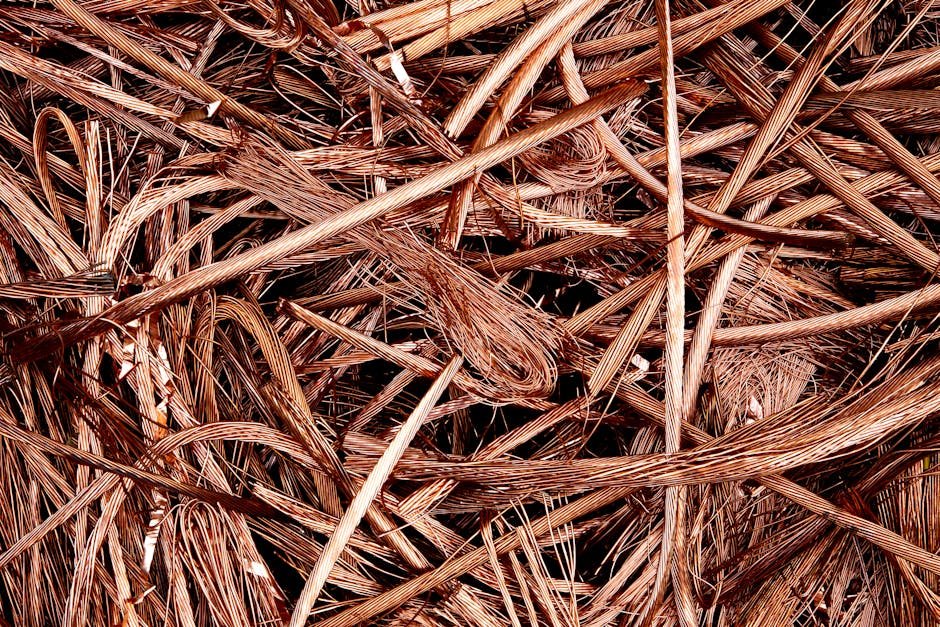

Understanding the current rate of copper scrap is essential for anyone involved in industrial demolition, electrical contracting, or residential renovation in Australia. Because copper is a non-ferrous, infinitely recyclable metal, it retains its value regardless of how many times it is melted down, making it one of the most sought-after commodities in the circular economy. Whether you are holding a pile of Scrap Copper or looking for the best copper scrap prices near me, navigating the market requires a solid grasp of grading standards and global economic indicators.
The Factors Influencing the Rate of Copper Scrap
The rate of copper scrap is not a static figure; it is a dynamic price point dictated by a complex web of global variables. At the highest level, the London Metal Exchange (LME) sets the benchmark price for copper. However, the price you receive at a local yard is adjusted based on several secondary factors. First, supply and demand dynamics play a massive role. When construction activity is high, demand for refined copper increases, driving up the price of scrap. Conversely, economic downturns can lead to surplus inventory, softening the market.
Second, the strength of the Australian Dollar (AUD) against the US Dollar (USD) is critical. Since copper is traded globally in USD, a weaker AUD often makes imported copper more expensive, which can indirectly support higher local scrap prices. Third, logistics and processing costs influence the final payout. If you are selling large volumes, you may command a premium compared to small, retail-level transactions. For those tracking international trends, it is interesting to note how the Scrap Rate India market often mirrors global movements, providing a broader context for the Australian trade.
Decoding Copper Grades: From Bare Bright to Number 2
To maximize your returns, you must be able to grade your metal accurately. Scrap yards categorize copper based on purity, level of oxidation, and the presence of contaminants like plastic insulation or solder. Understanding these grades is the most effective way to ensure you are getting a fair rate of copper scrap.
- Bare Bright Copper: This is the “gold standard” of copper scrap. It consists of unalloyed, uncoated, and uninsulated wire—typically 16-gauge or thicker—that is free of paint, oxidation, or other impurities. Because it is essentially pure copper, it fetches the highest market price.
- #1 Copper (Number 1): This grade includes clean, unalloyed copper pipe or heavy-gauge wire that is free of solder, paint, or other coatings. It may show slight oxidation, but it must be clean.
- #2 Copper (Number 2): Often referred to as number 2 copper, this grade includes copper that has some level of contamination. This might include copper pipe with solder joints, lightly oxidized copper, or wire that has been burnt or has minor paint residue. It is less valuable than #1 but still highly sought after.
- Insulated Copper Wire: This is copper wire still encased in plastic or rubber insulation. The price is determined by the “recovery rate,” which is the estimated percentage of copper weight compared to the total weight of the wire and insulation.
For those ready to finalize a transaction, you can explore options for copper scrap sale through our professional platform. Always ensure you strip your wire if possible, as clean, bare copper will always outperform insulated wire in terms of payout.
The Mechanics of Copper Recycling
The process of recycling copper is a marvel of industrial efficiency. It begins when scrap is collected from construction sites, demolition projects, or household cleanouts. Once the material reaches a recycling facility, it undergoes a rigorous sorting process. Advanced technology, including X-ray fluorescence (XRF) analyzers, is often used to determine the exact chemical composition of the metal, ensuring that alloys are separated from pure copper.
After sorting, the copper is shredded or granulated to remove non-metallic components like insulation or plastic coatings. In the case of copper wire, specialized machines strip the plastic, separating the metal from the casing. The resulting clean copper is then melted in a furnace. Because copper does not lose its chemical properties during the melting process, it can be recycled indefinitely. This molten copper is then cast into ingots or rods, which are sold back to manufacturers to be turned into new copper pipe, electrical wiring, or components for renewable energy technologies. By utilizing the services of a professional metal recycling network in Australia, you ensure that your materials enter this efficient loop rather than ending up in a landfill.
Environmental Benefits of Copper Recycling
The environmental case for recycling copper is overwhelming. Mining for virgin copper is an energy-intensive and environmentally taxing process. It involves massive open-pit mining, which destroys landscapes, contaminates local water tables, and releases significant amounts of greenhouse gases. In contrast, recycling copper uses approximately 85% to 90% less energy than producing copper from raw ore.
Furthermore, recycling copper helps preserve the earth’s finite resources. Copper is a non-renewable resource, and as high-grade ore deposits become harder to find, the cost of extraction increases. By keeping copper in circulation, we reduce the need for destructive mining operations. Every tonne of recycled copper saves thousands of kilograms of CO2 emissions. When you choose to recycle your scrap, you are not just making a profit; you are contributing to a more sustainable, low-carbon future. Whether you are a large-scale industrial operator or a local tradesperson, your participation in the circular economy matters.
Practical Tips for Sellers
If you are looking to get the best price for your materials, preparation is key. Here are some expert tips to help you navigate the market:
- Clean your scrap: If you have copper pipe with solder joints, consider cutting the joints off. While #2 copper is valuable, clean #1 copper will always earn you more per kilogram.
- Sort by grade: Do not mix your grades. If you bring a bin full of mixed copper, the yard will likely pay you the price of the lowest grade in the batch. Keep your bare bright separate from your insulated wire.
- Check the Scrap Copper Prices Near Me: Prices can vary significantly from one yard to another based on their proximity to shipping ports and their current inventory needs. Always call ahead to confirm current rates.
- Build a relationship: If you are a contractor who generates consistent scrap, talk to the yard manager. High-volume, consistent sellers are often offered better rates than one-time visitors.
- Safety first: Always wear gloves and eye protection when handling scrap. Copper edges can be razor-sharp, and old wiring may have degraded insulation that can be brittle or hazardous.
The Future of the Copper Market
The outlook for the copper market is exceptionally strong, largely due to the global transition toward electrification. Copper is the primary conductor in electric vehicles (EVs), wind turbines, and solar panels. As the world moves away from fossil fuels, the demand for copper is projected to skyrocket. This “electrification of everything” means that the rate of copper scrap is likely to face sustained upward pressure in the long term.
For those in Australia, this represents a significant opportunity. Our country has a robust infrastructure for metal recycling, and by leveraging digital tools like our scrap trading platform, sellers can stay informed about market shifts in real-time. The integration of technology in the recycling sector is making it easier than ever to track prices, find buyers, and ensure that materials are handled ethically and efficiently. Whether you are dealing with high-voltage industrial cabling or simple household plumbing, the value of your scrap is tied to the global energy transition.
Conclusion: Turning Waste into Wealth
Recycling copper is more than just a way to make extra cash; it is a vital component of a responsible industrial strategy. By understanding the nuances of grading, keeping up with the fluctuating rate of copper scrap, and choosing the right partners for your sales, you can ensure that you are maximizing the value of your materials while supporting the environment. Remember that the quality of your preparation—stripping wires, removing contaminants, and sorting by grade—is the single biggest factor in the payout you receive. As the global demand for copper continues to climb, those who take the time to manage their scrap metal professionally will find themselves in a strong position to benefit from this essential commodity. Start by auditing your current scrap inventory, separating your grades, and connecting with a reputable buyer to ensure you are getting the true market value for your copper.
Frequently Asked Questions
What is the difference between #1 and #2 copper?
#1 copper is clean, unalloyed, and free of solder or paint, making it more valuable. #2 copper includes material with minor contaminants like solder, paint, or slight oxidation, resulting in a lower market rate.
Does stripping insulation from copper wire increase the price?
Yes, stripping the insulation significantly increases the value of your scrap. Bare copper is worth much more than insulated wire because it requires less processing at the recycling facility.
Why does the rate of copper scrap change so often?
The rate changes daily due to global supply and demand, fluctuations in the London Metal Exchange (LME) prices, currency exchange rates, and local processing costs.
Is it worth recycling small amounts of copper?
Yes, even small amounts are worth recycling. Copper is a valuable commodity, and keeping it out of landfills supports environmental sustainability while putting cash back in your pocket.