

Navigating the volatile landscape of the Australian recycling industry requires a deep understanding of the current scrap price per ton. Whether you are a commercial demolition contractor or a backyard recycler, knowing how to interpret market data is essential for maximizing your returns. In this comprehensive guide, we explore the intricate mechanics of metal valuation, the significance of material grading, and the broader environmental impact of the circular economy.
Understanding How the Scrap Price Per Ton is Determined
The global metal market is a complex ecosystem driven by supply, demand, and geopolitical stability. When you look up the current scrap price per ton, you are essentially viewing a snapshot of a highly dynamic financial environment. Metal prices today are influenced by the London Metal Exchange (LME), which sets the benchmark for non-ferrous metals like copper, aluminium, and nickel. However, the price you receive at your local yard is a derived value, adjusted for local processing, transport, and the specific composition of your scrap.
For those looking to understand the broader market, our Scrap Price Forecast Guide provides deep insights into long-term trends. Factors that influence the price per kg include the cost of energy required to smelt the metal, the availability of high-grade ore, and the manufacturing demand from industrial powerhouses like China and India. When global manufacturing slows, the demand for raw materials drops, causing a ripple effect that lowers the scrap price per ton across Australian yards.
Key Factors Affecting Metal Prices Today
Several variables dictate the final price of scrap metal per ton. Firstly, the purity of the metal is paramount. Contaminated scrap—such as copper wire with plastic insulation or steel beams with concrete attachments—requires significant labor to process. Yards will pay a premium for “clean” scrap, which is ready for the furnace without further sorting. Secondly, logistical costs play a massive role. Transporting heavy, low-value material like iron over long distances can erode profit margins, which is why local scrap metal recycling services are so vital to the industry.
Economic indicators also play a part. Currency fluctuations, particularly the strength of the Australian Dollar (AUD) against the US Dollar (USD), impact the export value of scrap. Since most global trade is denominated in USD, a weaker AUD can sometimes make Australian exports more attractive, potentially supporting local prices. Furthermore, supply chain disruptions, such as port congestion or labor shortages, can create artificial scarcity, temporarily driving up the price per tonne for specific grades.
Navigating Metal Grades and Classification
Not all scrap is created equal. Understanding the classification of your material is the single most effective way to ensure you are getting a fair market rate. Metals are generally divided into ferrous (containing iron) and non-ferrous (all other metals). Ferrous metals, such as steel and iron, are typically traded in larger volumes and at lower price points. For example, if you are looking for the price of scrap iron per ton, you will notice it is significantly lower than copper or brass due to its abundance and lower energy requirements for recycling.
Non-ferrous metals, including copper, aluminium, lead, and zinc, command much higher prices due to their scarcity and the energy-intensive nature of mining them from scratch. For instance, the Stainless Steel Scrap Price varies significantly based on the nickel and chromium content within the alloy. Similarly, as we look toward future electrification, the Aluminum Scrap Price In 2026 is expected to climb as automotive manufacturers increase their reliance on lightweight, recyclable materials to meet carbon emission targets.
The Mechanics of Metal Recycling
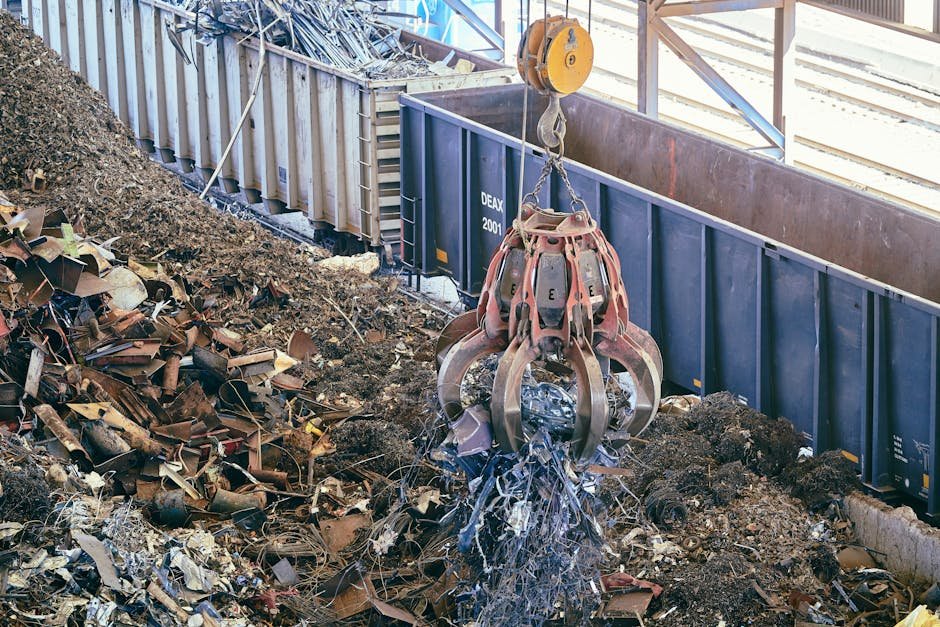
The process of recycling scrap metal is a sophisticated industrial operation. It begins with collection, where scrap is gathered from demolition sites, manufacturing facilities, and household collections. Once the material reaches the facility, it undergoes rigorous sorting. Advanced technology, such as X-ray fluorescence (XRF) analyzers and magnetic separators, are used to distinguish between metal types and detect contaminants. This ensures that the final product meets the stringent specifications required by steel mills and foundries.
After sorting, the metal is shredded or sheared to reduce its volume, making it easier to transport and process. The shredded material is then melted in massive furnaces. The resulting molten metal is cast into ingots or billets, which are then sold back to manufacturers to create new products. This “closed-loop” system is the cornerstone of modern industrial sustainability, significantly reducing the need for virgin mining operations. For more information on how to participate in this cycle, visit professional scrap metal trading services to learn about current buy-back programs.
Environmental Benefits and the Circular Economy
Recycling scrap metal is one of the most effective ways to reduce industrial carbon footprints. Producing steel from recycled scrap requires up to 75% less energy than producing it from iron ore. For aluminium, the energy savings are even more dramatic, often exceeding 90%. By recycling, we drastically reduce the amount of waste sent to landfills and minimize the environmental degradation associated with open-pit mining, such as deforestation and water contamination.
The circular economy relies on the continuous reuse of materials. When you sell your scrap, you aren’t just making money; you are contributing to a resource-efficient future. Every tonne of recycled metal prevents the emission of greenhouse gases that would otherwise be generated during the extraction and refinement of primary ores. This is why governments and industries are increasingly incentivizing scrap recovery, viewing it as a critical component of national resource security. If you are interested in how these factors influence the price of scrap metal per ton, it is helpful to view scrap as a strategic commodity rather than mere waste.
Practical Tips for Maximizing Your Returns
To get the best market rate for your scrap, preparation is key. First, always sort your materials by type. Mixing copper with steel can lead to the entire load being downgraded to “mixed scrap,” which fetches the lowest price. Second, remove any non-metallic attachments. A steel pipe with a heavy plastic valve or a copper cable with thick rubber casing will be penalized at the scales. Clean, sorted material is always worth more.
Timing your sales can also impact your bottom line. While it is difficult to “time the market” perfectly, keeping an eye on economic news and commodity charts can give you a general sense of whether prices are trending up or down. If you have a large volume of material, it is often worth contacting a reputable buyer at the leading scrap trading platform to discuss volume-based pricing. Building a relationship with a trusted yard ensures you receive consistent service and transparent pricing, even during market fluctuations.
The Future of the Australian Scrap Industry
As Australia transitions toward a greener economy, the scrap industry is evolving. We are seeing increased investment in automated sorting facilities and a greater emphasis on traceability. Digital platforms are making it easier for sellers to access real-time data, reducing the information asymmetry that has historically plagued the industry. The integration of blockchain for tracking metal provenance is also on the horizon, which will further improve the quality and value of recycled materials.
Furthermore, the growth of the electric vehicle (EV) market and renewable energy infrastructure will create a massive demand for copper, lithium, and rare earth metals. This shift will likely change the composition of the scrap stream, with more focus on battery recycling and specialized alloys. Staying informed about these shifts is essential for anyone involved in the trade. By understanding the underlying drivers of the market, you can better navigate the complexities of metal pricing and contribute to a more sustainable industrial future.
Conclusion: Why Every Kilogram Counts
The scrap metal industry is the backbone of sustainable manufacturing. Whether you are dealing with small quantities or industrial-sized loads, understanding the factors that dictate the scrap price per ton empowers you to make better financial decisions. By focusing on material purity, staying updated on market trends, and utilizing professional recycling networks, you can maximize your profits while supporting the global transition to a circular economy. Remember that the market is always moving; staying informed is your best tool for success in this essential trade.
Frequently Asked Questions
What is the best way to get the highest price for my scrap metal?
The best way to maximize your return is to thoroughly sort your scrap by metal type and remove any contaminants like plastic, rubber, or wood. Clean, segregated loads are highly valued by recyclers and will command a higher price per kg.
Why do scrap metal prices change so frequently?
Scrap prices are tied to global commodity markets and the London Metal Exchange. Factors such as industrial demand, currency exchange rates, energy costs, and geopolitical events cause these prices to fluctuate daily.
Is there a difference between ferrous and non-ferrous scrap prices?
Yes, there is a significant difference. Non-ferrous metals like copper, brass, and aluminium are generally much more valuable than ferrous metals like iron and steel due to their scarcity and the energy-intensive nature of primary production.
How can I find the current market rate for my specific scrap metal?
You can check online tracking platforms, contact local scrap yards directly, or monitor financial news sites that report on base metal commodities. Always confirm the current price with your local buyer before transporting your material.