
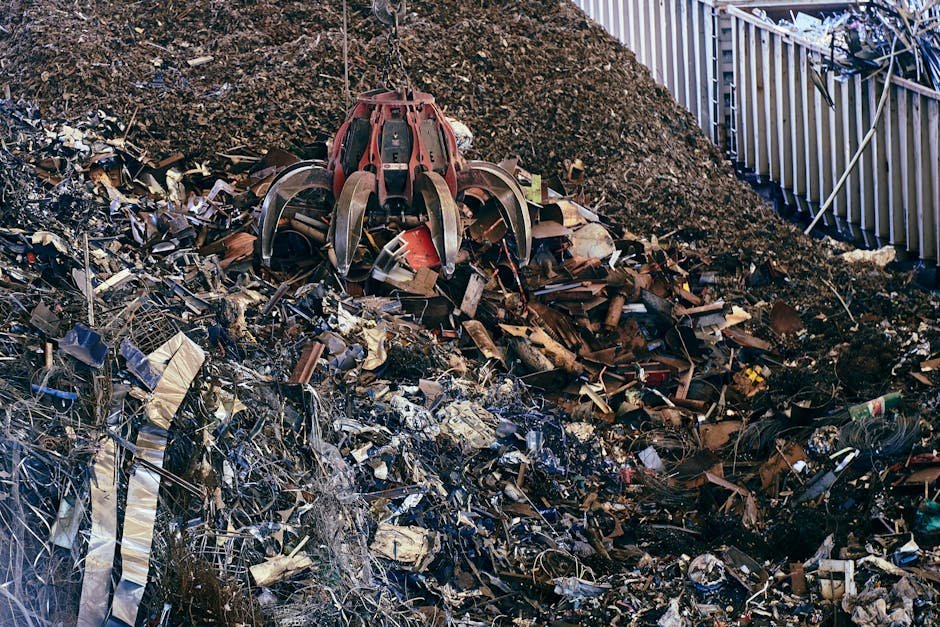

When you decide to sell and parker scrap metal, you are participating in a global circular economy that transforms industrial waste into valuable raw materials. Navigating the scrap industry requires an understanding of how market fluctuations, material grading, and local regulations influence your bottom line. Whether you are a tradesperson, a demolition contractor, or a household recycler, mastering the process ensures you get the best price for your materials.
The scrap metal industry in Australia has evolved significantly, moving toward high-tech processing and transparent pricing. To maximize your returns, you must understand the specific requirements for different metal grades. If you are looking for the most efficient way to Sell Scrap Metal Near Me In 2026, you need to be aware of current logistical trends and facility capabilities. Understanding the landscape is the first step toward turning your unwanted metal into a reliable revenue stream.
Understanding Metal Grades and Value
The value of your scrap is primarily determined by its grade. Metals are generally categorized into two main groups: ferrous and non-ferrous. Ferrous metals, such as iron and steel, are magnetic and generally have a lower price point per kilogram due to their abundance. Non-ferrous metals, including copper, aluminium, brass, and lead, are highly sought after and command a premium price because they do not lose their chemical properties during the recycling process.
To get the best price, you must sort your materials meticulously. Mixing grades—such as putting copper wiring in with steel—will result in the entire load being downgraded to the lowest common denominator price. A professional scrap dealer will always inspect loads for contamination. For instance, if you are handling specialized materials, you might need to Sell Metal Powder Scrap Atomized Metal Powders through specialized channels, as these require specific handling protocols compared to standard structural steel or piping.
Non-ferrous metals are the “gold” of the scrap yard. Copper, for example, is graded based on its purity. Bright shiny copper (Grade 1) is stripped of all insulation and oxidation, fetching the highest market rate. Burnt copper or copper with heavy plastic coating will be graded lower. Aluminium is similarly graded; clean, extruded aluminium profiles are worth significantly more than contaminated aluminium castings containing iron bolts or plastic inserts.
Where to Sell and Legal Requirements
Choosing the right facility is essential. Many people ask, “where can you sell scrap metal?” The answer depends on your location and the volume of scrap you possess. In Australia, you must ensure that the facility is fully licensed. Regulations regarding the purchase of scrap metal have become stricter to prevent the trade of stolen goods. Consequently, you will almost always be required to provide valid photographic identification, such as a driver’s license or passport, and often proof of address.
When you arrive at a facility to Sell Scrap, the process usually involves driving onto a weighbridge, offloading your material, and then weighing your vehicle again to determine the net weight of the scrap. Some facilities offer “cash for scrap,” though in many jurisdictions, electronic funds transfer (EFT) is the mandatory standard to ensure a transparent paper trail for tax and compliance purposes. Always check if the facility has an on-site digital scale that is calibrated and visible to the public, as this ensures you get paid for the exact weight delivered.
It is important to note that the scrap market is global. While our focus is on the Australian market, the principles remain the same whether you are looking to sell scrap metal in colombia or in Sydney. The global demand for recycled metals dictates local prices. If you are looking for a reliable partner, visit Scrap Trade for comprehensive resources. For those operating specifically within the Australian market, you can find detailed local insights at Scrap Trade Australia.
How to Get the Best Price for Your Scrap
Getting the best price is not just about luck; it is about preparation. Market prices fluctuate daily based on the London Metal Exchange (LME). Before you head to the yard, check the current trends. If the market is experiencing a dip, it might be worth holding onto your material if you have the storage space. However, for high-volume scrap, the overhead costs of storage often outweigh the potential gains from waiting for a price spike.
Preparation is the single biggest factor in profit maximization. Remove all non-metallic attachments. If you have an old electric motor, removing the copper windings can significantly increase the value, provided you have the tools and time to do so safely. If you have large quantities of mixed scrap, consider separating it into bins before arriving at the yard. This saves the yard staff time and often results in them being more willing to negotiate a better rate for a “clean” load.
Building a relationship with a specific scrap dealer can also lead to better pricing. If you are a recurring customer—perhaps a plumber who consistently brings in copper piping or an electrician with off-cuts—yards are often willing to offer “trade rates” that are slightly better than the spot price offered to walk-in customers. Always ask if there is a volume-based incentive for large, sorted loads.
The Recycling Process: From Yard to Industry
Once you sell and parker scrap metal, the recycling journey begins. The facility acts as a processing hub. Large-scale shredders tear apart vehicles and appliances, while magnetic separators pull out the ferrous metals. Eddy current separators are then used to repel non-ferrous metals, allowing them to be sorted into different bins based on their conductivity and density.
After sorting, the metal is baled or compacted to make it easier to transport. These bales are then sent to smelters and refineries. In the furnace, the metal is melted down, purified, and cast into ingots or billets. These raw materials are then sold back to manufacturers to create everything from new car parts to beverage cans. This process is incredibly efficient; for example, recycling aluminium uses approximately 95% less energy than producing primary aluminium from bauxite ore.
Environmental Benefits and Sustainability
The environmental impact of recycling cannot be overstated. By choosing to recycle, you are directly reducing the need for destructive mining practices. Mining for virgin ore requires massive amounts of energy, destroys habitats, and produces significant greenhouse gas emissions. When you get paid for your scrap, you are also contributing to a lower carbon footprint for the manufacturing sector.
Furthermore, recycling scrap metal prevents hazardous materials from ending up in landfills. Many electronic items and industrial machines contain heavy metals like lead, cadmium, and mercury. Professional recycling facilities are equipped to handle these materials safely, ensuring they are contained and disposed of or recycled without leaching into the soil or groundwater. This makes the scrap industry a cornerstone of modern environmental protection.
Safety and Logistics: Essential Tips
Safety should be your top priority when handling scrap. Metals can have sharp edges, and heavy loads can cause serious injury if not handled with proper equipment. Always wear heavy-duty gloves, steel-toed boots, and high-visibility clothing. If you are transporting large amounts of scrap, ensure your vehicle is rated for the weight and that the load is properly secured with straps or chains. An unsecured load is not only dangerous to other road users but can also lead to significant fines.
If you are dealing with industrial quantities, consider renting a skip bin from your local scrap yard. Many yards will drop off a bin at your site and collect it once it is full. This removes the logistical burden from you and ensures that the sorting process is more manageable. By planning your logistics, you reduce the time and fuel costs associated with multiple trips, which effectively increases your net profit.
Documentation and Compliance
In the modern scrap industry, compliance is mandatory. When you sell, you will likely be asked to fill out a declaration form. This form confirms that you are the legal owner of the material and that it has not been obtained through illegal means. Keep copies of your receipts and transaction records. If you are a business, these documents are vital for your tax returns, as they prove the origin of your income and help in tracking your business expenses.
Some materials, such as gas cylinders or sealed containers, may be refused by the yard unless they are certified empty and purged. Always check with the facility beforehand if you are unsure about a specific item. Being proactive with your documentation and adherence to site safety rules will make you a preferred client, ensuring a smooth and profitable transaction every time you visit.
Future Trends in the Scrap Industry
As we look toward 2026 and beyond, the scrap industry is becoming increasingly digitized. We are seeing the rise of real-time pricing apps, blockchain-based tracking for material provenance, and automated sorting technologies using AI-driven cameras. These advancements are making the industry more efficient and transparent. By staying informed and utilizing modern tools, you can stay ahead of the curve and ensure that you always receive the maximum value for your scrap metal. The transition to a circular economy is accelerating, and those who understand the value of their waste will be the ones who benefit most from this shift.
Conclusion
Selling your scrap metal is a rewarding endeavor that benefits your wallet and the planet. By understanding the grading systems, maintaining a clean and sorted load, and choosing a reputable facility, you can ensure that you get the best price for your materials. Whether you are a small-scale recycler or a large industrial contractor, the principles of preparation, safety, and compliance remain the same. Start by identifying your materials, checking current market rates, and finding a local, licensed facility. The scrap metal industry is a vital part of the Australian economy, and your participation helps drive the sustainable future we all strive for. Keep your materials sorted, keep your documentation in order, and continue to contribute to the cycle of renewal.
Frequently Asked Questions
What is the most valuable scrap metal to sell?
Copper is generally the most valuable scrap metal due to its high demand in electrical and plumbing industries. Clean, bright copper wire and copper piping consistently fetch the highest prices per kilogram.
Do I need to bring ID to the scrap yard?
Yes, in Australia, you are legally required to provide valid government-issued photographic identification when selling scrap metal. This is a mandatory measure to prevent the trade of stolen property.
How can I tell if my metal is ferrous or non-ferrous?
The easiest way is to use a magnet. If the magnet sticks to the metal, it is ferrous (like iron or steel); if it does not stick, it is non-ferrous (like aluminium, copper, or brass).
Why are prices for scrap metal different every day?
Scrap metal prices are tied to global commodity markets, specifically the London Metal Exchange. Factors like supply and demand, currency fluctuations, and manufacturing output cause these prices to change daily.