
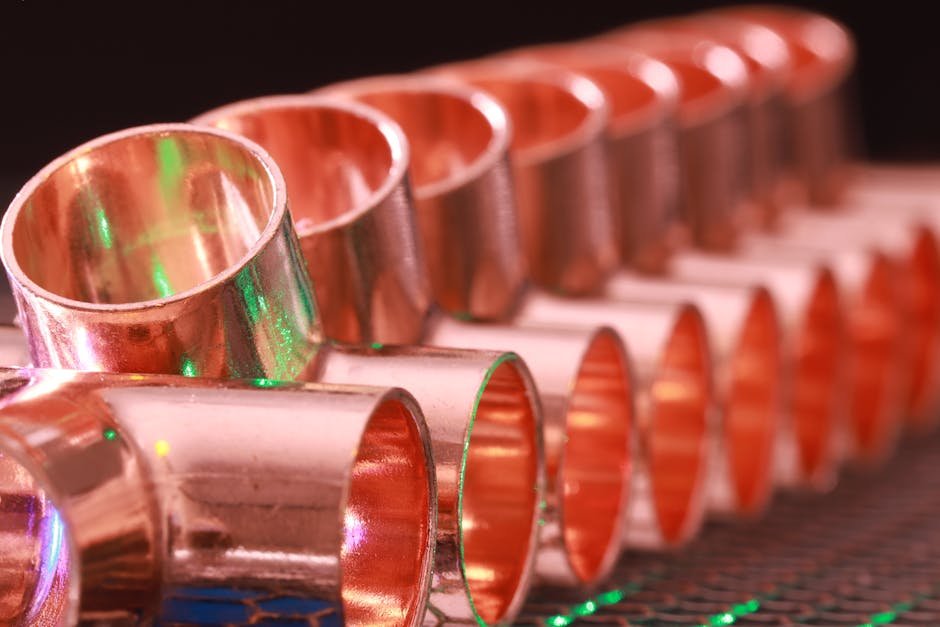

Navigating the current copper plumbing pipe scrap price is essential for plumbers, demolition contractors, and DIY renovators looking to maximize the value of their metal waste. As one of the most highly valued industrial metals, copper retains significant worth even after years of service in plumbing systems. Understanding the market dynamics behind these valuations allows you to turn discarded materials into a reliable revenue stream.
Understanding Market Dynamics: How Prices Are Set
The global copper market is a complex ecosystem driven by supply, demand, and macroeconomic indicators. In Australia, local scrap yards derive their daily rates from the London Metal Exchange (LME), which sets the global benchmark for base metals. When you search for the scrap price of copper today, you are essentially looking at a converted figure that accounts for the current LME spot price, the AUD/USD exchange rate, and local processing overheads.
Several factors influence the volatility of these prices. Global manufacturing demand, particularly from the construction and electrical sectors, is the primary driver. When large-scale infrastructure projects are underway, the demand for refined copper spikes, pushing prices higher. Conversely, economic slowdowns can lead to a softening of metal prices. Furthermore, geopolitical stability in major copper-producing nations like Chile and Peru plays a massive role in supply chain consistency. If mining output is disrupted, the scarcity of raw copper increases, which in turn elevates the value of existing secondary scrap.
For those looking to trade, staying informed is key. You can monitor the scrap copper pipe prices through our live tracking tools to ensure you are selling when the market is favorable. Remember that scrap yards must account for logistical costs, transport, and the energy-intensive process of smelting, which is why the price offered to the public is always slightly lower than the raw LME spot price.
Grading Your Scrap: Copper Pipe vs. Other Grades
Not all copper is created equal in the eyes of a scrap merchant. To get the best return, you must understand how your material is classified. Copper plumbing pipe is generally categorized as either No. 1 or No. 2 copper, depending on its condition.
- No. 1 Copper: This is the “gold standard” of scrap. It includes clean, unalloyed copper pipe, wire, or busbars that are free of solder, paint, or heavy oxidation. Because it requires minimal processing to be melted down and reused, it commands the highest price per kilogram.
- No. 2 Copper: This category includes pipes that have been used in plumbing systems and still contain solder joints, brass fittings, or traces of paint or oxidation. While still highly valuable, it requires more labor for the scrap yard to clean and process, resulting in a lower payout compared to No. 1.
- Bare Bright Copper: This is essentially high-quality, unoxidized copper wire that has been stripped of all insulation. While not typical for plumbing, it is often found on construction sites and represents the absolute peak of scrap pricing.
If you have a mix of materials, it is always worth your time to separate them. If you are dealing with a mix of pipe and valves, you should Sell Brass Fittings Scrap Plumbing Pipe Fittings separately from your copper pipe to ensure you are paid the correct rate for each metal type. Mixing grades will almost always result in the yard paying you at the rate of the lowest-value item in the pile.
Maximizing Your Returns: Tips for Sellers
The secret to getting the best value for your scrap lies in preparation. Many sellers lose money by bringing in “dirty” copper that could have been cleaned in minutes. Before you head to the yard, consider these professional tips for maximizing your payout.
First, remove all non-copper attachments. This includes plastic end caps, steel brackets, and excessive amounts of solder. While it is often impractical to remove every single solder joint from a complex plumbing network, removing the larger, easier-to-access attachments significantly improves the grade of your scrap. Second, keep your copper dry and stored away from corrosive elements. While copper is resistant to rust, heavy oxidation (the green patina) can sometimes lead to a lower grading if the yard deems the metal too degraded.
If you are wondering where to take your materials, you can find a Scrap Copper Near Me Where To Sell Copper Scrap For The Best Price by using our specialized locator tool. Additionally, for those looking to scale their recycling efforts, learning how to Sell Copper How To Get The Best Price For Copper Scrap involves building a relationship with a local buyer who values consistent, high-quality supply. By providing clean, sorted material, you become a preferred supplier, which can sometimes lead to better-than-standard pricing.
Always weigh your scrap before leaving home. While most professional yards have certified scales, having a rough estimate of your weight prevents errors and ensures you have a baseline for what you should be paid. When you arrive, ask the yard manager about their current grading policy so you know exactly what they are looking for.
The Environmental Impact of Copper Recycling
Copper is a unique material because it can be recycled infinitely without losing any of its physical or chemical properties. This makes copper recycling a cornerstone of the circular economy. Unlike plastics, which often degrade in quality through successive recycling cycles, recycled copper is functionally identical to virgin copper mined from the earth.
The environmental benefits are staggering. Recycling copper requires up to 85% less energy than extracting and refining new copper ore. Mining is an invasive process that requires massive land clearing, heavy machinery, and significant water usage. By choosing to recycle your old plumbing pipes, you are directly reducing the demand for new mining operations, lowering carbon emissions, and preserving natural landscapes.
Furthermore, Australia has a robust infrastructure for metal recovery. By utilizing a professional platform like Scrap Trade Australia, you ensure that your materials are entering a verified, environmentally conscious supply chain. This prevents metal waste from ending up in landfills, where it can leach heavy metals into the soil and groundwater. Every kilogram of copper you recycle is a win for both your wallet and the planet.
The Logistics of Modern Scrap Trading
For large-scale contractors or demolition teams, the logistics of moving tons of scrap can be as important as the price itself. Efficient scrap management involves more than just dumping materials in a bin. It requires a strategic approach to on-site collection and transport.
Many professional sites now use dedicated skips for different metal types. By segregating your copper pipe, copper wire, and other metals at the source, you save hours of labor later. This level of organization not only makes the selling process faster but also ensures you are not losing money by selling high-value copper at a mixed-scrap price point. When you are ready to move your load, ensure you are dealing with a licensed facility that provides accurate receipts and transparent weighing processes.
Technology has also changed how we trade. Today, digital platforms allow you to track the copper plumbing pipe scrap price in real-time. By staying updated on market trends, you can time your sales to coincide with market peaks. While individual fluctuations might seem small, for a business dealing in hundreds of kilograms, these small price differences can amount to thousands of dollars in annual revenue.
Common Pitfalls and How to Avoid Them
One of the most common mistakes beginners make is failing to distinguish between different types of plumbing materials. For example, some older homes may contain lead-soldered pipes or even galvanized steel pipes that look similar to copper if painted or aged. Always check your pipes with a magnet; copper is non-ferrous and will not stick to a magnet. If a pipe sticks to a magnet, it is likely steel or iron and will fetch a significantly lower price.
Another pitfall is the “convenience trap.” It is tempting to sell all your scrap to the nearest buyer regardless of their reputation or pricing. However, a little research into local yards can reveal significant differences in service. Look for yards that are transparent about their pricing, have certified scales, and provide clear documentation. A reputable buyer will be happy to explain their grading criteria and show you how your material is being weighed.
Finally, safety should always be a priority. Copper pipe ends can be sharp, and demolition sites often contain hidden hazards. Always wear appropriate personal protective equipment (PPE), including gloves and safety glasses, when handling and sorting your scrap. If you are unsure about the safety of a particular batch of material, consult with a professional recycling facility before attempting to process it yourself.
The Future of Copper in the Circular Economy
As the world shifts toward renewable energy, the demand for copper is expected to skyrocket. Copper is a critical component in electric vehicles (EVs), wind turbines, and solar panels. This “green transition” is creating a long-term upward pressure on copper prices. As a result, the value of your scrap is likely to remain high for the foreseeable future.
By participating in the recycling market, you are not just clearing out a shed; you are participating in a vital supply chain that supports global sustainability. Whether you are a small-scale DIYer or a large commercial operator, your contribution to the recycling pool helps stabilize the market and ensures that this precious metal remains in circulation. The scrap price of copper today is a reflection of this global necessity, and by staying engaged with the market, you can ensure you are getting the best possible value for your efforts.
In summary, the copper plumbing pipe scrap price is determined by global markets, but your personal return is determined by how well you prepare, sort, and time your sales. By following the best practices outlined in this guide, you can ensure that you are maximizing your profits while contributing to a more sustainable future for Australia’s construction and manufacturing industries. Keep your scrap clean, keep it sorted, and keep an eye on the market, and you will find that your plumbing waste is a valuable asset worth managing with care.
Related: Sell Brass Fittings Scrap Plumbing Pipe Fittings
Frequently Asked Questions
What is the difference between No. 1 and No. 2 copper pipe?
No. 1 copper is clean, unalloyed, and free of solder, paint, or oxidation. No. 2 copper includes pipes that contain solder joints or minor surface impurities, which requires more processing.
How can I get the best copper plumbing pipe scrap price?
To get the best price, ensure your copper is clean and free of non-metal attachments like plastic or steel. Sorting your scrap by grade before arriving at the yard will prevent you from being paid the lowest rate.
Does the price of copper change daily?
Yes, copper prices fluctuate daily based on the London Metal Exchange (LME) and international currency exchange rates. It is recommended to check current market rates before heading to the scrap yard.
Why is copper recycling important?
Copper can be recycled infinitely without losing quality, and recycling it uses significantly less energy than mining new ore. This reduces environmental impact and supports the global circular economy.