
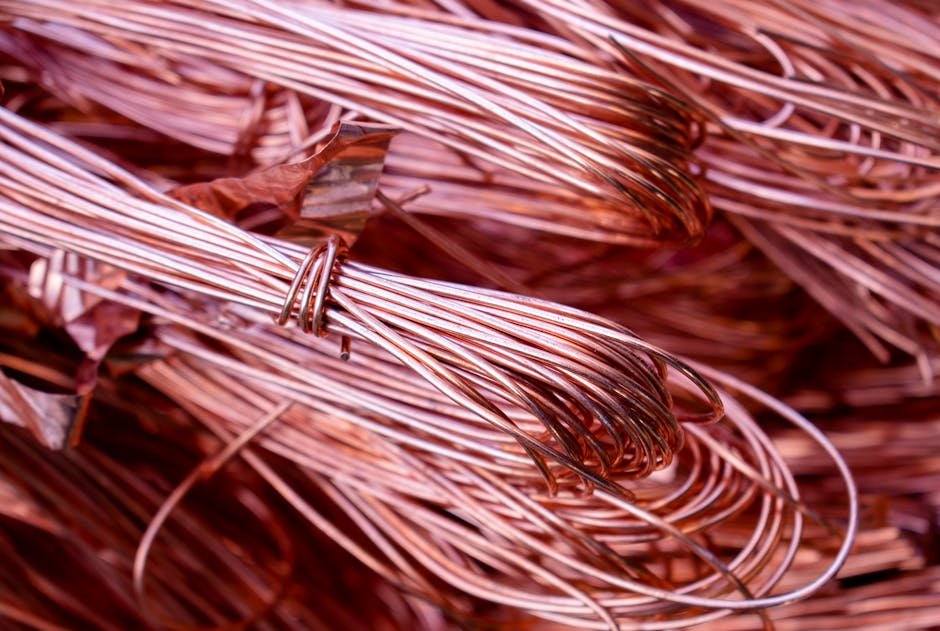

Understanding the current scrap copper wire rate is essential for anyone involved in the Australian metal recycling industry, from professional demolition contractors to DIY renovators. Copper is one of the most highly valued industrial commodities, and because it can be recycled infinitely without losing its inherent properties, the market for Scrap Copper remains robust and highly competitive.
Understanding Copper Grades and Market Valuation
In the world of metal trading, not all copper is created equal. The scrap copper wire rate you receive at a recycling facility is primarily determined by the purity of the metal and the ease with which it can be processed. At the top of the hierarchy is ‘Bare Bright’ copper, which consists of clean, unalloyed, uncoated, and uninsulated copper wire, typically 16 gauge or thicker. This material is highly sought after because it requires minimal processing for smelters.
Moving down the scale, we find ‘Number 1’ and ‘Number 2’ copper. Number 2 copper includes wire that may have slight oxidation or minor impurities. When you are looking at the rate of copper scrap, you will notice a significant price gap between these grades. Understanding these classifications is vital for maximizing your profit margins when selling your collection to a Copper Scrap Group.
Furthermore, insulated wire is categorized based on the percentage of copper recovery. A high-yield cable—thick, heavy-duty industrial wiring—will command a better price than thin, low-yield electronics wire. If you are tracking global trends, you might also compare these figures against the Scrap Rate India to understand how Australian markets align with international demand.
The Mechanics of Copper Recycling
The recycling process is a sophisticated industrial operation designed to recover high-purity metal from waste streams. It begins with collection and sorting. Scrap yards use advanced technology, including X-ray fluorescence (XRF) analyzers, to determine the exact chemical composition of the metal. This ensures that contaminants like lead, tin, or plastic insulation are correctly identified.
Once sorted, the material undergoes mechanical processing. For scrap copper wire rate optimization, stripping the insulation is the most critical step. Large-scale shredders and granulators chop the wire into small pieces, and then air classifiers or vibrating tables separate the copper granules from the plastic or rubber sheath. The recovered copper is then melted into ingots or billets, which are sold to manufacturers to create new Australian metal recycling services products, such as new electrical wire or plumbing components.
Environmental Benefits of Circular Copper
Recycling copper is a cornerstone of the circular economy. Mining virgin copper is an energy-intensive process that involves massive earth displacement, chemical leaching, and high carbon emissions. By contrast, recycling copper requires up to 85% less energy than producing it from ore. This massive reduction in energy consumption directly translates to a lower carbon footprint for the construction and manufacturing industries.
Furthermore, copper is a finite resource. As global demand for renewable energy technologies—such as electric vehicles, wind turbines, and solar panels—continues to surge, the importance of reclaiming existing copper from the waste stream becomes even more critical. Every kilogram of copper recycled is a kilogram that does not need to be extracted from the earth, preserving ecosystems and reducing the environmental degradation associated with open-pit mining.
How to Maximize Your Scrap Copper Wire Rate
To get the best return, preparation is key. First, separate your materials. Never mix your high-grade bare bright copper with insulated wire or copper pipe. If you have a large volume of insulated wire, consider investing in a manual or electric wire stripper. Removing the plastic insulation yourself can significantly increase the weight-to-value ratio, as you are selling clean copper rather than plastic-heavy waste.
Keep an eye on the scrap copper wire prices by checking reliable industry platforms daily. Market volatility is common, and timing your drop-off can make a difference. Always ensure your scrap is free from heavy contaminants like steel screws, brass fittings, or heavy grease, as these will lead to a lower grade classification at the scale.
The Role of Electrical Wire and Cable Scrap
Electrical wire represents a significant portion of the scrap market. Whether you are dealing with THHN building wire, Romex, or heavy-duty industrial power cables, the value lies in the copper content. When you bring in cable scrap, the facility will often weigh the total mass and provide a quote based on the estimated copper recovery percentage. This is why it is beneficial to sort your cables by thickness before arriving at the yard.
Copper Pipe and Plumbing Scrap
Outside of wiring, copper pipe is a staple of the scrap industry. Plumbers and renovation contractors often accumulate large amounts of pipe. To ensure you get the top price, make sure your pipe is clean. This means removing any solder, paint, or plastic fittings. Clean, #1 grade copper pipe is highly prized and should be kept separate from dirty or corroded pipe to ensure you receive the best possible payout.
Global Market Dynamics and Local Impact
The Australian scrap market does not exist in a vacuum. It is heavily influenced by international demand, particularly from manufacturing hubs. Factors like the strength of the Australian dollar, global infrastructure spending, and even geopolitical stability affect the price of copper. By utilizing resources like Scrap Trade, you can stay informed about these shifts, ensuring your business or personal collection efforts remain profitable even when market conditions tighten.
Best Practices for Safety and Logistics
Safety should never be compromised when handling scrap metal. Copper wire can have sharp edges, and old electrical cables may contain hazardous materials. Always wear heavy-duty gloves, eye protection, and steel-toed boots when sorting or transporting your scrap. Additionally, ensure your vehicle is rated for the weight you are carrying; copper is incredibly dense, and a small load can quickly exceed the payload capacity of a standard passenger vehicle, creating dangerous driving conditions.
The Future of Copper Recycling
As we move toward a greener future, the demand for copper will only increase. Innovations in automated sorting, such as AI-driven robotic arms and advanced sensor-based sorting, are making the recycling process more efficient than ever. These advancements allow for higher recovery rates from complex waste streams, such as e-waste, which contains significant amounts of high-purity copper wiring. As a participant in this industry, staying ahead of these trends will ensure you remain a vital part of the supply chain.
Conclusion: Why Professional Recycling Matters
Choosing a professional recycling partner is just as important as the scrap itself. A reputable yard provides fair weighing, transparent grading, and up-to-date pricing. By focusing on quality, proper sorting, and staying educated on the market, you can turn your scrap copper into a reliable revenue stream while contributing to a more sustainable planet. Whether you are a small-scale collector or a large industrial firm, understanding the nuances of the market is the key to long-term success.
Frequently Asked Questions
What is the difference between bare bright and number 2 copper?
Bare bright copper is clean, unalloyed, and uncoated wire, whereas number 2 copper may contain minor oxidation or slight impurities. Because of its higher purity, bare bright fetches a higher price per kilogram.
Should I strip my insulated wire before selling it?
Yes, if you have the time and tools, stripping the insulation significantly increases the value of the copper. You are paid for the weight of the copper, and removing the plastic eliminates the weight of the insulation which is often considered a contaminant.
How often do scrap copper prices change?
Scrap copper prices are tied to the London Metal Exchange (LME) and can fluctuate daily. It is recommended to check local market rates on the day you plan to sell your scrap to ensure you receive the most accurate valuation.
Why is copper recycling important for the environment?
Recycling copper requires up to 85% less energy than mining and refining virgin ore. It reduces the need for destructive mining practices and helps preserve natural resources for future generations.