
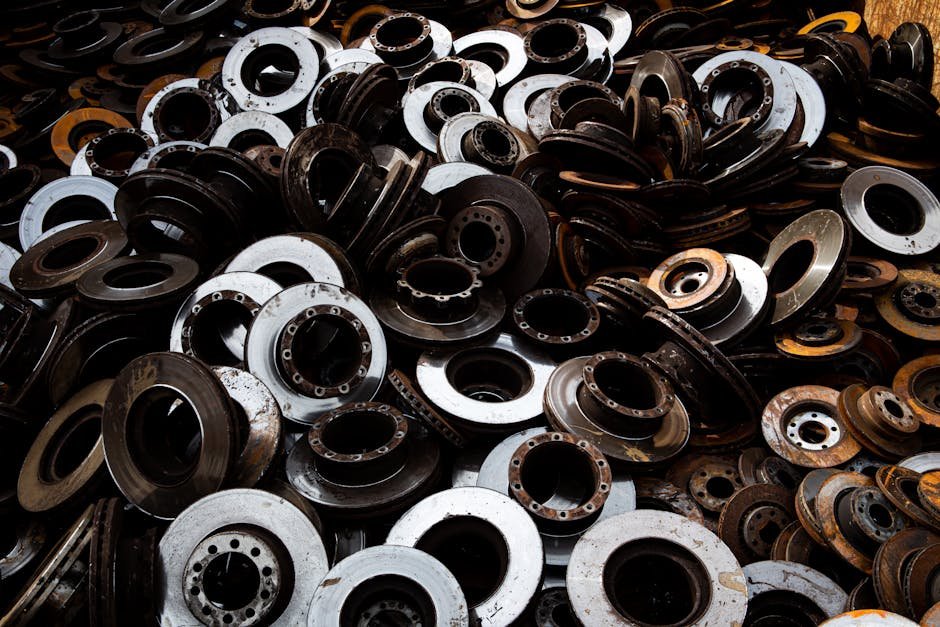

Navigating the complex landscape of scrap non ferrous metal prices requires a nuanced understanding of global commodities markets and local Australian recycling logistics. Unlike ferrous metals, which are primarily iron and steel, non-ferrous metals—such as copper, aluminium, lead, zinc, and nickel—are highly valued for their resistance to corrosion and their infinite recyclability. Because these metals do not contain iron, they are non-magnetic and command a significantly higher market rate due to their scarcity and the energy intensity required for primary extraction.
The Dynamics of Global Metal Markets and Pricing
To understand the current market value per kg, one must first look at the London Metal Exchange (LME). The LME serves as the global benchmark for industrial metal trading. When you check Scrap Metal Prices, you are essentially looking at a localized reflection of these global indices, adjusted for freight, processing costs, and local demand. The scrap non ferrous metal prices you see today are influenced by the ‘LME cash price’ plus or minus a premium, which accounts for the physical availability of the metal.
For those looking to maximize their returns, it is essential to monitor these trends regularly. If you are searching for Scrap Metal Prices Near Me, remember that local yards must factor in their own overheads, including transport, labor, and the cost of refining the scrap into a mill-ready state. In Australia, the strength of the AUD against the USD plays a massive role; since metals are traded in USD, a weaker Australian dollar often leads to higher local prices for exporters. Conversely, if you are trading at scale, you may need to learn How To Negotiate Scrap Metal Prices Internationally to ensure you are getting the best possible margin on your shipments.
Understanding Non-Ferrous Metal Grades
The price per kg you receive is heavily dependent on the purity and grade of your scrap. Non-ferrous metals are categorized into specific grades that determine how much processing is required before they can be melted down. For instance, ‘Bright Shiny Copper’ (Grade 1) commands a much higher price than ‘Copper Tubing’ (Grade 2) because it is free of contaminants like solder, paint, or insulation.
- Copper: The gold standard of the scrap world. Grades include Bright Shiny, Candy (stripped wire), and Burnt Copper.
- Aluminium: Categorized by alloy type. Clean 6063 extrusions are worth more than mixed cast aluminium or ‘taint/tabor’ (mixed clips).
- Lead: Usually sourced from old roofing or batteries. High purity is required to avoid environmental penalties.
- Stainless Steel: While technically an alloy, it is often traded alongside non-ferrous due to its high nickel and chromium content.
Understanding these grades is the first step in ensuring you aren’t leaving money on the table. If you are also dealing with magnetic materials, you might want to compare your non-ferrous returns against current ferrous scrap metal prices or investigate the scrap metal steel prices per ton to diversify your collection strategy.
How Prices Are Set: The Supply and Demand Equation
The market rate for scrap is never static. It is a derivative of three primary forces: industrial demand, primary production costs, and the circular economy. When manufacturing in China or the US slows down, demand for raw copper and aluminium drops, causing the price per tonne to dip. Simultaneously, the cost of mining virgin ore is a ‘floor’ for the market. If mining costs rise due to energy prices, the value of recycled metal typically follows suit.
Furthermore, the recycling process itself is an industrial activity. Companies like Scrap Trade Australia provide the infrastructure to collect, sort, and process these materials. The cost of this infrastructure—including balers, shears, and heavy transport—is baked into the price offered to the seller. When you bring your scrap to a facility, you are essentially selling a refined commodity that is ready for the furnace.
The Environmental Benefits of Recycling
Beyond the financial incentives, recycling non-ferrous metals is a pillar of global sustainability. Producing aluminium from recycled scrap requires approximately 95% less energy than producing it from bauxite ore. Similarly, recycling copper saves roughly 85% of the energy needed for primary production. By participating in the scrap market, you are directly reducing the carbon footprint of the manufacturing sector.
This environmental impact is a key driver for government policy in Australia. As the country moves toward a circular economy, the demand for recycled feedstock is increasing. This shift ensures that the long-term outlook for scrap non ferrous metal prices remains strong, as manufacturers seek to meet ESG (Environmental, Social, and Governance) targets by using recycled content in their products.
Practical Tips for Maximizing Your Scrap Returns
To get the best price per kg, preparation is key. Here are expert strategies for the modern scrap trader:
- Sort your materials: Never mix your metals. A bin of high-value copper contaminated with aluminium will be bought at the price of the lowest-value component.
- Remove attachments: Take the time to strip plastic insulation from cables, remove steel screws from aluminium extrusions, and clean off any non-metallic debris.
- Understand the volume: If you are a commercial operator, you will get better pricing by selling in bulk. Many yards offer tiered pricing based on weight.
- Build a relationship: Frequent, reliable suppliers are often given preferential pricing or better terms by yard managers.
- Monitor the market: Use a reputable scrap trading platform to track daily shifts in metal prices today so you know when to hold or sell your inventory.
The Future of the Australian Scrap Industry
The Australian scrap metal industry is undergoing a digital transformation. Gone are the days of guessing the value of a load of copper. With real-time data, better logistics, and a globalized market, sellers are more empowered than ever. As we look ahead, the focus will shift toward ‘urban mining’—the systematic recovery of precious metals from e-waste and decommissioned infrastructure. This will create new opportunities for those who understand how to identify and grade high-value scrap.
Whether you are an individual with a small collection of household items or a business managing industrial waste, the principles remain the same: quality control, market awareness, and strategic timing are your best tools for success. By staying informed, you turn scrap metal from a waste management issue into a significant revenue stream.
Conclusion
Mastering the market for non-ferrous metals is a journey of continuous learning. By understanding the factors that drive scrap non ferrous metal prices, you can make informed decisions that benefit your bottom line. Always prioritize safety, maintain clean grades, and stay connected with industry benchmarks to ensure you are receiving the best price per tonne available in the Australian market. Remember, every kilogram of metal you recycle supports a more sustainable future and keeps valuable resources in the production loop.
As you continue to trade, utilize the resources available on our platform to stay ahead of the curve. From tracking daily fluctuations to understanding the nuances of international trade, we are here to support your growth in the scrap industry. Whether you are looking to sell or simply want to understand the market better, the value of your scrap is in your hands.
Frequently Asked Questions
What is the biggest factor affecting scrap non ferrous metal prices?
The primary factor is the global commodity price set by the London Metal Exchange (LME). Local factors like the AUD/USD exchange rate and domestic transport costs also play a significant role.
Why is sorted scrap worth more than mixed scrap?
Sorted scrap is more valuable because it requires less labor and energy to process. When you mix metals, the buyer must pay for the labor to separate them, which reduces the price they can offer you.
How often do scrap metal prices change?
Scrap metal prices can change daily based on global market volatility. It is recommended to check the current market rate on the day you plan to sell.
Is it worth recycling small amounts of non-ferrous metal?
Yes, but it is most effective when accumulated. Because non-ferrous metals like copper and aluminium have high intrinsic value, even small amounts can add up, especially if you keep them clean and sorted.