
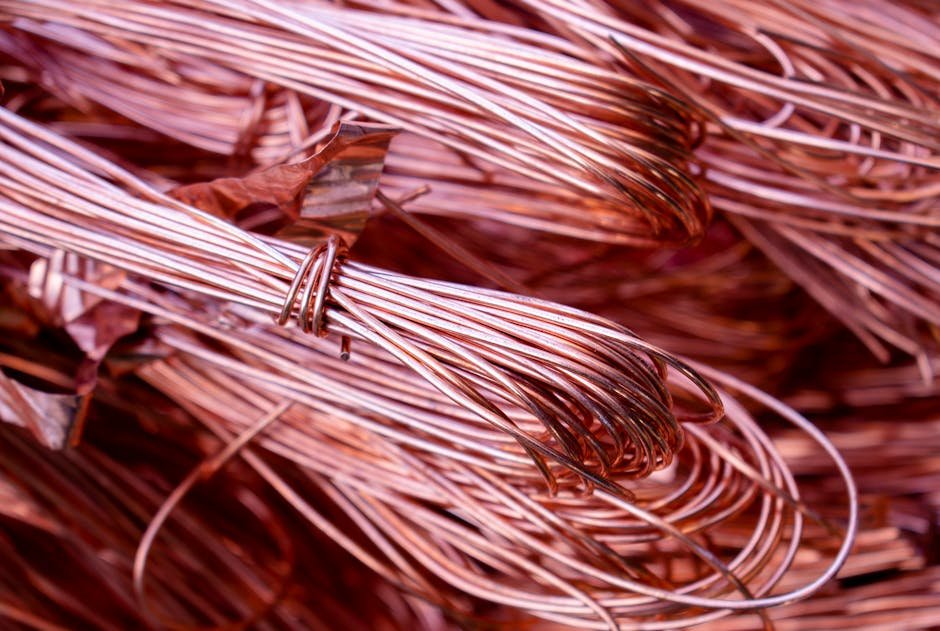

Understanding the price of stripped copper is essential for anyone involved in the scrap metal industry, from professional electricians to DIY renovators looking to maximize their returns. As one of the most valuable non-ferrous metals in the recycling economy, copper serves as a benchmark for the health of the global manufacturing sector. When you strip insulation from electrical cabling, you are essentially refining the material, moving it from a lower-value category to a premium grade that commands higher payouts at recycling facilities.
Understanding Market Dynamics: How the Price of Stripped Copper is Determined
The global copper market is a complex ecosystem driven by international trade, industrial demand, and speculative investment. The primary driver for the price of stripped copper is the London Metal Exchange (LME). Every day, the LME sets the global spot price for copper based on supply and demand across various sectors, including renewable energy infrastructure, automotive manufacturing, and construction.
In Australia, local recyclers take this global baseline and adjust it based on local logistical costs, processing capabilities, and the current exchange rate between the Australian Dollar (AUD) and the US Dollar (USD). Because copper is traded internationally in USD, a strong AUD can sometimes lead to lower returns for local sellers, while a weaker AUD can increase the local copper scrap price per kg. Furthermore, the cost of labor, transport, and the energy required to process scrap into furnace-ready ingots plays a significant role in the margins offered by scrap yards.
When you visit a facility, you are not just selling metal; you are selling a commodity that has been adjusted for the cost of logistics. If you are looking for a reliable place to trade, check out Scrap Copper Near Me Where To Sell Copper Scrap For The Best Price to understand how local competition influences the rates you receive. The market is highly reactive, meaning that metal prices today can fluctuate significantly compared to those from last week or even yesterday. Staying informed is the best way to ensure you are selling at the peak of the market cycle.
The Hierarchy of Copper Grades: Why Stripping Matters
Not all copper is created equal. The recycling industry categorizes copper into specific grades, each with its own valuation. At the top of the hierarchy is “Bare Bright” copper—clean, unalloyed, uncoated copper wire that is free of oxidation and insulation. This is the gold standard for scrap metal recyclers because it requires the least amount of processing before it can be melted down.
When you remove the plastic insulation from your electrical wiring, you are upgrading the material from “Insulated Copper Wire” to “Bare Bright” or “Number 1 Copper.” This process is why the price of stripped copper wire is significantly higher than the price paid for insulated cables. When a scrap yard buys insulated wire, they must factor in the cost of the labor or machinery required to strip the plastic, as well as the disposal costs for the non-metallic waste. By doing the stripping yourself, you capture that added value.
For a detailed breakdown of how different types of wire compare, read our guide on Copper Wire Scrap Price Bare Vs Insulated Vs Stripped Australia 2026. Understanding these distinctions is vital. For instance, “Number 2 Copper” contains small amounts of solder, paint, or minor oxidation, which makes it less valuable than Bare Bright but still highly sought after. Knowing exactly what you have in your collection pile will prevent you from being underpaid for high-quality material.
Factors Affecting Current Scrap Prices in Australia
Several factors influence the current scrap prices you see at your local yard. First and foremost is the purity of the material. Contamination is the enemy of high-value scrap. If your copper is heavily oxidized, contains brass fittings, or is still attached to steel or aluminum components, the recycler will downgrade the material. This is because they have to spend time and energy separating these contaminants to reach the pure copper core.
Another factor is the volume of your scrap. Scrap yards operate on economies of scale. If you bring in a small bucket of copper, you will likely receive a standard retail rate. However, if you are a contractor with a large volume of industrial-grade copper piping or heavy-duty cabling, you may be able to negotiate a better price. Building a professional relationship with your local recycler is a key strategy for those who trade regularly. To learn more about optimizing your sales, visit Sell Copper How To Get The Best Price For Copper Scrap.
Economic cycles also play a massive role. During periods of high infrastructure growth, demand for copper increases, driving up prices. Conversely, during economic downturns, manufacturing slows, and copper prices may soften. Additionally, environmental regulations in China—the world’s largest consumer of scrap copper—can cause massive shifts in global pricing. When China changes its import standards for “clean” scrap, the entire global market reacts, often leading to sudden drops or spikes in the price of stripped copper.
How to Safely and Efficiently Strip Copper Wire
Stripping copper wire is a labor-intensive but rewarding process. For small amounts of wire, a simple utility knife or a handheld stripping tool will suffice. However, if you are regularly dealing with large quantities of electrical cabling, investing in an automatic wire stripping machine is a game-changer. These machines feed the wire through a blade that slices the insulation, allowing you to pull the copper core out in seconds.
Safety must always be your first priority. Always wear protective gloves to avoid cuts from sharp blades or the copper wire itself. If you are using power tools, ensure you are in a well-ventilated area, especially if you are stripping older wires that might have degraded insulation. Also, consider the environmental impact. The plastic insulation removed from copper wire should be disposed of responsibly. Many scrap yards have specific protocols for handling plastic waste, so ask your local dealer how they prefer you to manage the byproduct.
Remember that the goal is to produce “Bare Bright” copper. Avoid using heat (like burning the insulation off) to strip wire. Burning insulation releases toxic fumes and oxidizes the copper, which turns it black. Oxidized copper is worth significantly less than clean, shiny copper, so you are essentially burning away your own profit. If you need help finding a reputable dealer, you can browse the most trusted scrap metal trading platform to find verified buyers in your area.
The Environmental and Economic Impact of Copper Recycling
Copper is a 100% recyclable metal, meaning it can be melted down and repurposed indefinitely without losing its physical properties. This makes copper recycling a cornerstone of the circular economy. By recycling copper, we reduce the need for destructive open-pit mining, which consumes vast amounts of energy and water. The energy required to recycle copper is roughly 85% less than the energy required to mine and refine virgin copper ore.
From an economic perspective, the copper recycling industry supports thousands of jobs in Australia, from the local scrap yard operator to the large-scale industrial processors who supply the global market. When you choose to recycle your copper rather than throwing it in a landfill, you are contributing to a more sustainable industrial future. You are also keeping valuable resources within the domestic supply chain, which helps stabilize the local market for manufacturers who rely on recycled copper for their production lines.
For those interested in the broader industry, visit the leading Australian scrap metal marketplace to stay updated on industry news and trends. Understanding the “why” behind recycling helps you see beyond the immediate cash payout and appreciate the role you play in the global supply chain. Every kilo of copper that enters the recycling loop is a success story for sustainability and resource efficiency.
Strategic Tips for Maximizing Your Scrap Returns
To consistently get the best rates, you need to treat your scrap collection like a business. Start by sorting your materials at the source. Never mix different grades of copper in the same bin. If you have a pile of “Number 2” copper mixed with “Bare Bright,” the recycler will likely pay you the “Number 2” rate for the entire load. By keeping them separate, you ensure that your high-grade material is valued correctly.
Keep your copper clean. Remove any steel, plastic, or brass attachments. If you have copper pipe, make sure it is free of solder or paint. While some yards will accept “dirty” copper, they will deduct the weight of the contaminants from your payout, and often at a penalty rate. It is almost always better to spend the extra time cleaning the material yourself than to accept a lower price at the yard.
Timing your sales can also be a strategic move. If you have the storage space, consider holding onto your copper during market dips and selling when prices are on an upward trend. While you cannot predict the market perfectly, keeping an eye on financial news and the LME copper index will give you a significant advantage. Remember to check copper scrap price per kg regularly to keep a pulse on the market. If you are dealing with specific types of cabling, our guide on the price of stripped copper wire provides specific insights into how different cable thicknesses affect your final payout.
The Future of Copper and the Recycling Industry
The demand for copper is projected to skyrocket over the next decade. As the world transitions toward electric vehicles (EVs), wind turbines, and large-scale battery storage, the need for high-purity copper will grow exponentially. EVs, for example, use up to four times more copper than traditional internal combustion engine vehicles. This long-term demand curve suggests that copper will remain a highly valuable commodity for the foreseeable future.
Technological advancements in the recycling sector are also making the process more efficient. New sensor-based sorting technologies are allowing recyclers to separate metals with higher precision, reducing waste and increasing the purity of the final product. As these technologies become more accessible, the gap between the value of raw scrap and refined metal may narrow, potentially leading to better prices for the individual collector.
In conclusion, the price of stripped copper is a reflection of a global, high-stakes market that rewards those who take the time to understand its nuances. Whether you are a tradesperson looking to supplement your income or a recycling enthusiast, the principles remain the same: sort your materials, keep them clean, stay informed about market trends, and build strong relationships with reputable local recyclers. By doing so, you ensure that you are not only getting the best possible return for your hard work but also contributing to a more efficient and sustainable world.
Frequently Asked Questions
Frequently Asked Questions
Why is bare bright copper more valuable than insulated wire?
Bare bright copper is pure, clean, and ready for immediate melting, requiring no further processing. Insulated wire requires labor-intensive stripping to remove the plastic, which lowers its value at the scrap yard.
How often do scrap metal prices change?
Scrap metal prices fluctuate daily based on the London Metal Exchange (LME) spot rates and currency exchange rates. It is recommended to check current prices on the day you plan to sell.
Is it worth burning the insulation off copper wire?
No, you should never burn insulation off copper wire. Burning releases toxic fumes and oxidizes the copper, turning it black and significantly reducing its value compared to clean, stripped copper.
What defines ‘Number 2’ copper?
Number 2 copper is typically copper that has minor contaminants, such as solder, paint, or slight oxidation. It is less valuable than bare bright but still commands a good price compared to other scrap metals.