
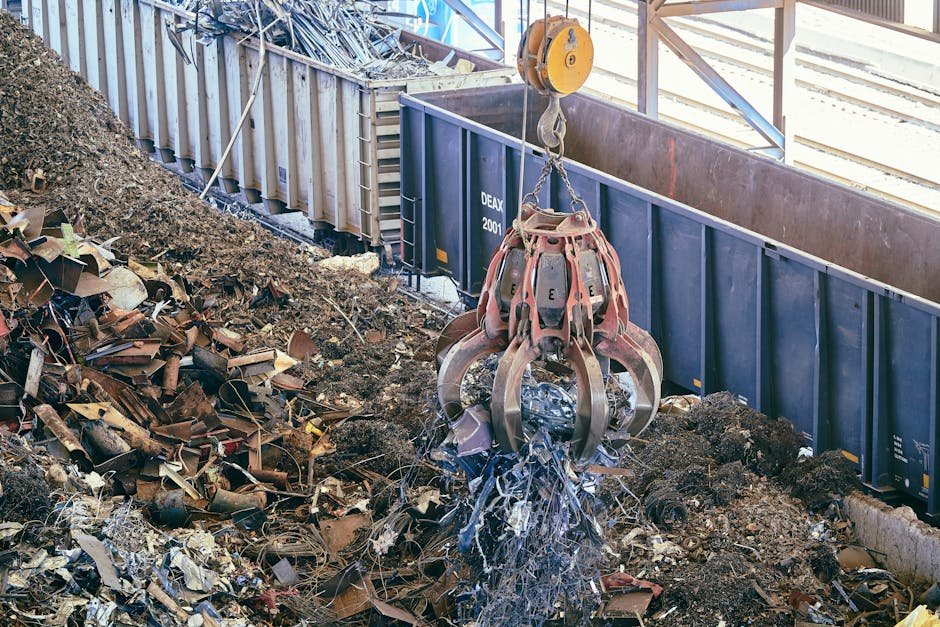

Navigating the complex landscape of scrap prices per ton requires a solid understanding of both global economic trends and local market dynamics. As a seller or recycler in Australia, knowing how to interpret the current market rate is essential for ensuring you receive fair compensation for your materials. Whether you are dealing with copper, aluminium, or ferrous steel, the value of your scrap is determined by a sophisticated interplay of supply, demand, and industrial processing requirements.
How Scrap Metal Prices Are Determined
The valuation of metal is not arbitrary; it is governed by the London Metal Exchange (LME) and local supply chain costs. When you look up Scrap Metal Prices, you are seeing a snapshot of a volatile market. Several factors influence these numbers:
- Global Demand: Rapid industrialization in emerging economies often drives up the price of base metals like copper and nickel.
- Purity and Grade: High-purity metals command a significantly higher price per kg compared to contaminated or mixed loads.
- Logistics and Transport: The distance between the collection site and the processing facility impacts the net price, as transport costs are deducted from the gross market value.
- Economic Indicators: Currency fluctuations, particularly the strength of the Australian Dollar (AUD) against the US Dollar (USD), play a critical role since most metal commodities are traded in USD.
To stay ahead, it is vital to monitor scrap metal prices per ton regularly. By understanding these variables, you can time your sales to coincide with market peaks, maximizing your profit margins.
Categorizing Scrap: Grades and Their Value
Not all scrap is created equal. To get the best scrap price per ton, you must understand how recyclers grade materials. Ferrous metals, which contain iron, are generally lower in value but higher in volume. Non-ferrous metals, such as copper, brass, stainless steel, and aluminium, are highly sought after due to their infinite recyclability and lower energy requirements for processing.
Copper: Often the “gold standard” of scrap. Bright shiny copper fetches the highest rates, while insulated wire or burnt copper is graded lower due to the processing required to remove plastic or oxidation.
Aluminium: This lightweight metal is ubiquitous in construction and automotive manufacturing. Extrusion, sheet, and cast aluminium are separated to ensure purity, which directly impacts the price per kg.
Steel: Graded by thickness and cleanliness. Heavy melting steel (HMS) is a staple for industrial recyclers. If you are looking for local facilities, searching for Scrap Metal Prices Near Me will often yield results specific to your region’s industrial capacity.
The Mechanics of Metal Recycling
The recycling process is a marvel of industrial efficiency. Once scrap reaches a facility like those managed by Scrap Trade Australia, it undergoes a rigorous sorting process. Advanced technology, including X-ray fluorescence (XRF) analyzers and magnetic separators, is used to identify the chemical composition of each piece. This ensures that the final product meets the strict specifications required by smelters and foundries.
After sorting, the metal is often shredded or sheared to reduce volume, making it easier to transport. It is then melted down in large furnaces. Because metals like aluminium and copper do not lose their properties during the recycling process, they can be re-melted and reused indefinitely. This circular economy is the backbone of sustainable manufacturing, significantly reducing the need for virgin mining.
Environmental Benefits of Scrap Recycling
Recycling scrap metal is one of the most impactful environmental actions an individual or business can take. Mining virgin ore is an energy-intensive and ecologically destructive process. By choosing to recycle, you contribute to:
- Energy Conservation: Producing aluminium from recycled scrap consumes up to 95% less energy than producing it from bauxite ore.
- Carbon Footprint Reduction: Lower energy consumption translates directly into lower greenhouse gas emissions.
- Landfill Diversion: Keeping metals out of landfills prevents heavy metals from leaching into the soil and groundwater.
- Resource Preservation: Recycling extends the life of finite natural resources, ensuring that future generations have access to essential materials.
When you visit Scrap Trade, you are participating in a global effort to create a cleaner, more efficient industrial future.
Practical Tips for Maximizing Your Scrap Returns
To ensure you receive the best value for your scrap, preparation is key. Here are some expert tips:
- Sort Your Materials: Never mix ferrous and non-ferrous metals. A load of copper contaminated with steel will be valued at the lower steel rate.
- Clean Your Scrap: Removing plastic, rubber, and wood attachments from metal components saves the recycler time and increases your payout.
- Build Relationships: If you are a business generating consistent scrap, talk to your local recycler about long-term pricing contracts.
- Monitor Trends: Keep a close eye on metal prices today. Market volatility means that waiting even a few days can sometimes result in a better outcome.
- Safety First: Always wear appropriate PPE when handling scrap metal, as sharp edges and heavy materials pose significant risks.
The Future of the Australian Scrap Market
The Australian scrap industry is currently undergoing a transformation driven by technological innovation and stricter environmental regulations. As the world shifts toward a green economy, the demand for recycled metals is expected to surge. Electric vehicles, renewable energy infrastructure (like wind turbines and solar panels), and modern construction all rely heavily on high-quality recycled copper, aluminium, and steel.
As an industry leader, our platform provides the transparency needed to navigate this changing landscape. By providing real-time data on scrap prices per ton, we empower both individual collectors and large-scale industrial partners to make informed decisions. The integration of digital tracking and automated grading systems will further streamline the process, ensuring that the value of scrap is accurately reflected in the market price.
Understanding Market Volatility
Why do prices change so frequently? Market volatility is a natural byproduct of the global trade of commodities. When a major manufacturer in China or a construction boom in the US shifts, the ripple effects are felt in Australian scrap yards within days. Understanding that the price per kg you see today is a reflection of global sentiment is crucial.
For instance, during periods of high inflation, investors often flock to commodities as a hedge, which can drive up prices. Conversely, during economic downturns, industrial activity slows, leading to a decrease in demand for scrap metal. By staying informed through our comprehensive resources, you can better predict these shifts and manage your inventory effectively.
Conclusion: Your Role in the Circular Economy
The scrap metal industry is far more than just a collection of yards and trucks; it is a vital component of the global supply chain. By recycling your metal, you are not only earning a profit but also playing a crucial role in conserving energy and protecting the environment. Whether you are a hobbyist with a small pile of copper or a contractor with tons of industrial steel, your contribution matters.
Remember that the market is dynamic. Always verify the current rates before selling, ensure your materials are properly sorted, and work with reputable recyclers. By utilizing the tools and information provided on our platform, you are well-equipped to navigate the complexities of the scrap market and secure the best possible returns for your materials.
For ongoing updates and to track how scrap prices per ton evolve, keep our resources bookmarked. We are committed to providing the transparency, data, and expertise needed to make the most of your scrap metal recycling journey. Together, we can build a more sustainable and profitable future for the Australian metal industry.
Frequently Asked Questions
How often do scrap metal prices change?
Scrap metal prices fluctuate daily or weekly based on global commodity market trends, supply and demand, and currency exchange rates. It is recommended to check live market rates just before you plan to sell your material.
Does the purity of the metal affect the price?
Yes, purity is the most significant factor in determining value. Metals that are clean, free of contaminants like plastic or insulation, and properly sorted by grade will always command a higher price per kg.
What is the difference between ferrous and non-ferrous scrap?
Ferrous metals contain iron and are generally magnetic, such as steel and iron, and are typically lower in value. Non-ferrous metals, such as copper, aluminium, and brass, are non-magnetic and are generally much more valuable due to their scarcity and recycling efficiency.
How can I get the best price for my scrap metal?
The best way to maximize your return is to sort your scrap by type and grade, remove any non-metal attachments, and monitor market rates to sell when prices are high. Building a relationship with a reliable local recycler can also lead to better pricing for consistent volumes.