
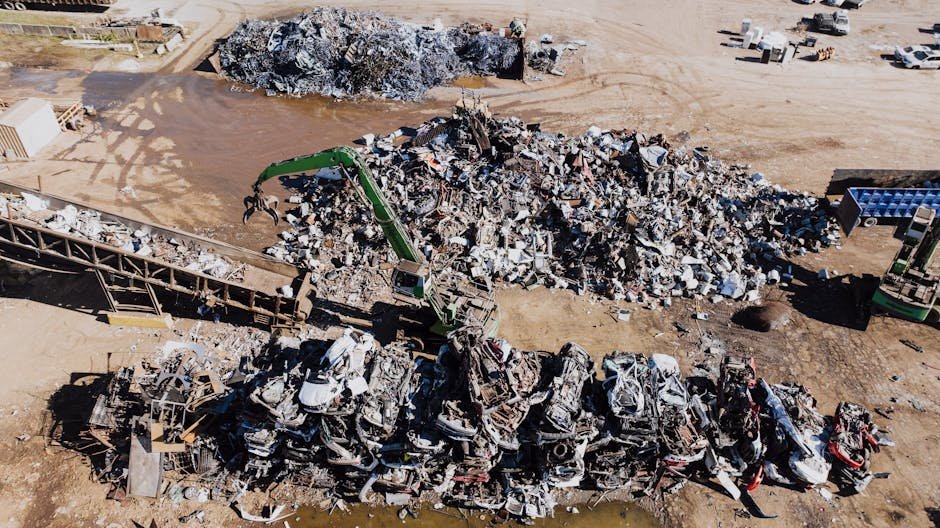

When searching for scrap yard near me prices, it is essential to understand that the value of your metal is rarely static. In Australia, the scrap industry operates as a complex extension of the global commodities market. Whether you are a tradesperson clearing a job site or a homeowner with a collection of copper piping, knowing how to interpret Scrap Prices is the first step toward ensuring you receive a fair payout for your materials. The market rate for metals is influenced by a myriad of factors, ranging from international supply chains to the specific grade and cleanliness of your haul. By utilizing a professional Australian metal recycling platform, you can gain better visibility into the fluctuations that dictate your bottom line.
How Market Forces Influence Scrap Metal Prices
To truly master the art of selling scrap, one must first understand that local yards do not set prices in a vacuum. Most Scrap Metal Prices are pegged to the London Metal Exchange (LME). When global demand for raw materials spikes—often driven by industrial growth in manufacturing hubs—the value of your scrap metal increases. Conversely, when the market is oversupplied or manufacturing slows, prices per tonne may dip.
Local factors also play a critical role. The cost of logistics, transport, and the energy required to process scrap metal at a recycling depot are all factored into the price you are offered. If you are looking for the Scrap Metal Prices Near Me, you will notice that yards closer to major ports or industrial hubs often offer more competitive rates because they have lower overheads for moving large volumes of material. Furthermore, currency exchange rates play a massive role in Australia. Since most global metal trades occur in US Dollars, a strong or weak Australian Dollar can significantly impact the final payout you receive at the scales.
The Critical Role of Metal Grading and Sorting
One of the most common mistakes novices make is failing to sort their scrap. When you bring mixed loads to a facility, the recycler must spend time and labour separating the materials. This cost is passed on to you in the form of lower payouts. By contrast, if you present clean, sorted metals, you are far more likely to secure the best scrap yard prices near me.
Metals are graded based on their purity and the presence of contaminants. For instance, copper is categorized into various grades, such as ‘Bright and Shiny’ (bare, clean, unoxidized wire) versus ‘Number 2’ (copper with solder, paint, or minor oxidation). Understanding these distinctions is vital. If you are specifically looking for scrap yard copper prices, you should aim to strip insulation from wires and remove any non-metallic attachments like brass fittings or steel screws. A high-quality grade of copper will always command a premium price per kg compared to mixed or contaminated loads.
Other common grades include:
- Ferrous Metals: These contain iron and are magnetic. Common examples include steel and cast iron. While they are usually traded at a lower price per tonne than non-ferrous metals, their sheer volume makes them a staple for many recycling operations.
- Non-Ferrous Metals: These include copper, aluminium, brass, lead, and stainless steel. These materials are non-magnetic and generally hold a much higher market value.
- Specialty Alloys: Items like titanium, nickel, or high-grade stainless steel require specialized testing, such as XRF analysis, to determine their exact composition.
How Recycling Depots Process Your Scrap
Once you drop off your materials, the recycling depot initiates a rigorous process to transform your scrap back into raw material for manufacturers. This is a vital component of the circular economy. The process typically begins with weighing your vehicle on a certified weighbridge to establish the ‘gross weight.’ After unloading, your vehicle is weighed again to determine the ‘tare weight,’ giving the recycler the exact weight of the scrap delivered.
From there, the metal undergoes mechanical processing. Large hydraulic shears and shredders reduce the size of the metal, making it easier to transport and refine. Magnetic separators are then used to pull ferrous metals out of mixed piles, while eddy current separators are employed to extract non-ferrous metals like aluminium from the remaining debris. This industrial-scale efficiency is why you should always look for a reputable metal recycler that utilizes modern, transparent weighing technologies.
Environmental Benefits of Metal Recycling
Beyond the financial incentive, recycling scrap metal is one of the most effective ways to reduce our collective environmental footprint. Mining virgin ore is an incredibly energy-intensive process that results in significant carbon emissions and habitat destruction. By contrast, recycling metal uses a fraction of the energy required to produce new metal from ore.
For example, recycling aluminium saves approximately 95% of the energy required to produce new aluminium from bauxite. Similarly, recycling steel significantly reduces the demand for coal and iron ore extraction. When you choose to sell your scrap to a legitimate facility, you are directly contributing to a reduction in landfill waste and helping to preserve natural resources for future generations. It is a win-win scenario: you receive a fair price per kg for your effort, and the planet benefits from a more sustainable supply chain.
Factors Affecting the Price Per Kg and Per Tonne
When you are checking scrap yard near me prices, it is important to realize that the price per tonne is often reserved for industrial-scale quantities, while the price per kg is standard for smaller, domestic, or trade loads. Several variables can cause these rates to fluctuate:
- Purity: As mentioned, contaminants like plastic, rubber, or other metals decrease the value.
- Volume: Larger quantities often qualify for better rates, as they reduce the relative logistics costs for the recycler.
- Market Volatility: Metal prices today can shift based on breaking news in the manufacturing sector.
- Transport Costs: If you are delivering the metal yourself, you avoid the ‘collection fee’ that would otherwise be deducted from your payout.
- Seasonality: Construction cycles can influence the availability of scrap, which in turn affects local pricing.
To maximize your return, always call ahead if you have a large load. Experienced recyclers will often provide a quote based on the current market rate and the specific volume you are bringing in, ensuring transparency before you load up your trailer.
Tips for Maximizing Your Scrap Returns
If you want to ensure you are getting the best possible value, preparation is key. First, keep your metals separated by type. Do not mix copper with brass, and keep your aluminium separate from steel. This saves the recycler time, and they are often willing to reward that effort with a better price.
Second, keep an eye on metal prices today. Many recycling platforms provide live or daily updated price lists. By tracking these trends, you can decide whether to sell immediately or hold onto your scrap until the market improves. Third, build a relationship with your local yard. If you are a regular, they are more likely to offer you consistent, reliable pricing. Finally, ensure your scrap is clean. Removing non-metallic parts like wood, plastic, or concrete from your metal items will drastically improve the grade and the final price per kg you receive.
The Future of Metal Recycling in Australia
The Australian scrap metal industry is currently undergoing a digital transformation. With the rise of online platforms, it is becoming easier than ever for the public to access real-time data on scrap yard near me prices. This transparency is forcing the industry to become more competitive and consumer-friendly. As we move toward a more circular economy, the role of the individual recycler becomes increasingly important. By properly recycling your metal, you are not just clearing your garage or job site; you are participating in a global effort to reduce waste and promote sustainable manufacturing.
Whether you are a professional contractor or a weekend warrior, the principles remain the same: sort your materials, track the market, and choose a reputable partner. By following these guidelines, you can ensure that you are always getting the best value for your scrap metal while supporting a vital industry that keeps Australia’s economy and environment moving forward.
Conclusion
Navigating the world of scrap metal can seem daunting at first, but with a bit of knowledge, it becomes a straightforward and profitable endeavor. From understanding the nuances of scrap metal prices to recognizing the environmental impact of your recycling choices, you are now equipped to make informed decisions. Remember to always prioritize safety when handling heavy or sharp scrap, and never hesitate to ask your local recycler for advice on how to better prepare your loads. By staying informed about the market and maintaining high standards for your scrap, you will always be positioned to get the best return for your materials.
Frequently Asked Questions
Why do scrap metal prices change so often?
Scrap metal prices are driven by global supply and demand, commodity market fluctuations, and currency exchange rates. Because these factors change daily, local scrap yards adjust their buy prices to reflect current market conditions.
How can I get the highest price for my scrap metal?
The best way to maximize your payout is to thoroughly sort your metals by type and remove any non-metallic contaminants like plastic, wood, or rubber. Clean, sorted loads are much more valuable to recyclers than mixed, dirty scrap.
What is the difference between ferrous and non-ferrous metals?
Ferrous metals contain iron and are magnetic, such as steel and iron, and generally have a lower price point. Non-ferrous metals, like copper, aluminium, and brass, are non-magnetic and typically command significantly higher market prices.
Do I need to clean my copper wire before selling it?
Yes, stripping insulation from copper wire significantly increases its grade and value. ‘Bright and shiny’ bare copper wire is the most valuable form, whereas insulated wire is priced lower due to the cost of processing the plastic coating.