

Navigating the landscape of sydney copper recycling pty ltd operations requires a deep understanding of how global commodity markets influence local scrap metal yards. Whether you are a trade contractor, a demolition expert, or an industrial manufacturer, knowing how to categorize your materials can significantly impact your bottom line. In the bustling industrial hubs of Greater Sydney, the efficiency of the recycling chain is paramount to both environmental sustainability and economic viability.
Understanding the Copper Scrap Market in New South Wales
The copper market in New South Wales is a high-stakes environment driven by international demand and local supply chain logistics. When dealing with a professional outfit like sydney copper recycling pty ltd, you are interacting with a sophisticated network that bridges the gap between raw scrap and refined metal. The value of your scrap is determined by purity, cleanliness, and the current global copper price per kg.
For those looking to enter the sector, understanding the difference between Scrap Trading Vs Recycling Business is the first step toward long-term success. While traders focus on the arbitrage of moving material, recyclers provide the value-added service of sorting, stripping, and processing. This distinction is vital for anyone aiming to maximize their revenue from copper wire and copper pipe.
The Greater Sydney region acts as the primary nerve center for this industry. With rapid urban development and infrastructure projects, the volume of copper scrap generated is immense. By joining a dedicated Copper Scrap Group, you can gain real-time insights into market fluctuations and localized demand, ensuring you are not leaving money on the table when you visit a yard.
Categorizing Your Copper: From Bare Bright to Number 2
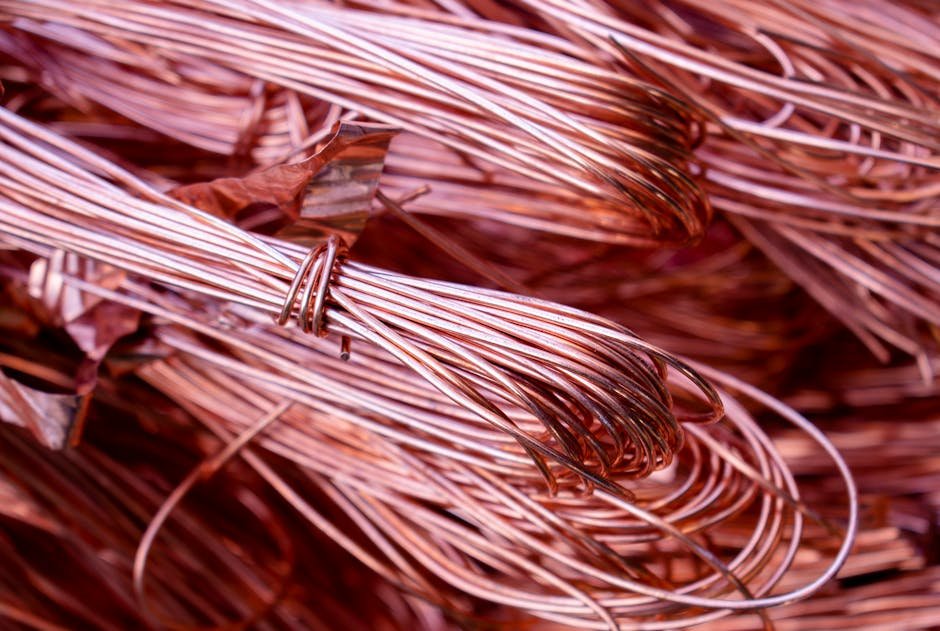
To get the best possible return, you must understand how yards grade your metal. Copper is graded based on its level of contamination, insulation, and oxidation. Bare bright copper is the gold standard; it consists of clean, unalloyed, uncoated, and unalloyed copper wire, free of brittle burnt wire or oxidation. It is the most valuable form of scrap because it requires the least amount of processing to be melted down into new products.
Next on the list is number 2 copper, which includes copper wire or pipe that may have some solder, paint, or minor levels of oxidation. It is still highly valuable but carries a lower price point than bare bright. Understanding these grades is essential when checking the copper recycling price sydney, as the spread between these grades can be significant.
Copper pipe, commonly found in plumbing demolition, is another staple of the industry. If you are stripping out a commercial building, ensure that your pipe is free of fittings, brass valves, or plastic attachments. The cleaner the material, the higher the grade, and the more favorable the price you will receive from a reputable sydney copper recycling pty ltd facility.
The Role of Technology and Sustainability in Recycling
Modern recycling is no longer just about throwing metal into a pile. It is a high-tech operation involving advanced sorting, shearing, and shredding equipment. By utilizing sophisticated scrap metal trading software, businesses can track the movement of materials from the job site to the furnace. This level of transparency is crucial for the modern Recycling Community, which demands ethical sourcing and environmental compliance.
Sustainability is at the core of the copper industry. Copper is 100% recyclable without any loss of quality. Every tonne of copper recycled saves significant energy compared to mining virgin ore. By choosing to recycle through a certified facility, you are actively contributing to the reduction of carbon emissions in New South Wales. This is not just a business transaction; it is an environmental imperative that supports the circular economy in Australia.
Practical Tips for Maximizing Scrap Revenue
If you want to optimize your returns, preparation is key. Here are several expert-level tips for handling your scrap:
- Sort at the source: Never mix your grades. Keeping bare bright separate from number 2 copper prevents the entire batch from being down-graded by the yard manager.
- Strip your wire: If you have the time and the right equipment, stripping insulation off copper wire can significantly increase its value. However, ensure the cost of labor does not exceed the value added.
- Remove contaminants: Take the extra time to remove steel screws, plastic fittings, and rubber gaskets from copper pipes and fittings.
- Keep it clean: Oxidation (the green tint) is a contaminant. Store your copper in a dry, covered area to prevent environmental degradation.
- Monitor the market: Use industry-standard market tracking tools to keep an eye on global trends.
By following these steps, you demonstrate professionalism, which often leads to better long-term relationships with yard managers and potentially higher negotiated rates for your volume.
Navigating the Regulatory Landscape in Sydney
Operating in the scrap metal industry in Australia requires strict adherence to state regulations. In New South Wales, there are specific laws regarding the purchase of scrap metal, designed to prevent the trade of stolen goods. Legitimate businesses will always require valid identification and will maintain detailed records of every transaction. When you work with established entities like copper scrap recycling pty ltd, you are ensuring that your transactions are compliant with local laws, protecting both you and the industry from illicit trade practices.
The Future of the Copper Recycling Industry
The demand for copper is set to skyrocket as the world transitions to renewable energy. Copper is a critical component in electric vehicles, wind turbines, and solar panels. As the demand for these technologies grows, the demand for recycled copper will follow. This creates a massive opportunity for those involved in the scrap metal supply chain. The industry is evolving from a traditional “scrap yard” model to a sophisticated resource recovery sector. We are seeing increased investment in automated sorting technology and AI-driven market forecasting, which will make the process of recycling copper more efficient and profitable than ever before.
Logistics and Transport in Greater Sydney
The geography of Greater Sydney presents unique logistical challenges. From the Western suburbs to the Northern Beaches, moving heavy scrap metal requires a fleet that is reliable and compliant with local traffic regulations. Many professional recyclers offer bin services for large-scale demolition projects. Utilizing these services is often more cost-effective than attempting to transport high-volume scrap yourself. When choosing a partner, look for those who provide timely collection, accurate weighing, and transparent reporting.
Building Long-Term Partnerships
The most successful players in the recycling industry are those who view their relationship with the yard as a partnership. Consistency is valued. If you are a regular supplier of high-quality, well-sorted copper, you become a preferred partner. This can lead to benefits such as priority service, better payment terms, and access to market insights that aren’t available to the general public. Always communicate your expected volumes and material types to your yard manager so they can prepare for your arrival.
Safety Protocols for Scrap Metal Handling
Safety should never be compromised. Copper scrap often comes in the form of sharp, heavy, or industrial-grade materials. Always wear appropriate personal protective equipment (PPE), including cut-resistant gloves, steel-toed boots, and high-visibility clothing. When handling large bundles of copper wire, ensure proper lifting techniques are used to prevent injury. A professional facility will have clear signage and safety protocols in place—follow them strictly to ensure a safe environment for everyone.
Conclusion
The copper recycling industry in Sydney is a vital component of the Australian economy. By understanding the nuances of material grading, staying informed on market prices, and maintaining high standards of material purity, you can turn your scrap into a significant revenue stream. Whether you are a small-scale contractor or a large demolition firm, the principles of professional recycling remain the same: sort, clean, and build strong relationships with your recycling partners. As the global demand for copper continues to climb, your role in the circular economy becomes increasingly important. Stay informed, stay safe, and continue to leverage the expertise available within the professional recycling community.
Frequently Asked Questions
What is the difference between bare bright and number 2 copper?
Bare bright copper is clean, unalloyed wire that is free of insulation, paint, and oxidation. Number 2 copper is slightly contaminated or oxidized, such as pipe with solder or wire that has been burnt, resulting in a lower market value.
How can I get the best copper price per kg in Sydney?
To get the best price, ensure your copper is sorted by grade, free of all contaminants like plastic or steel, and call ahead to check current market rates. Building a relationship with a reliable yard manager often leads to better pricing for consistent, high-quality loads.
Is it worth stripping insulation off copper wire?
Yes, if you have a high volume of insulated wire, stripping it can significantly increase the value of your scrap. However, ensure that the time and labor cost of stripping does not outweigh the price difference between insulated and bare copper.
Are there specific regulations for selling scrap metal in NSW?
Yes, in New South Wales, scrap metal dealers are required to follow strict identification and record-keeping laws to prevent the sale of stolen property. Always bring valid photo identification when visiting a recycling facility.