
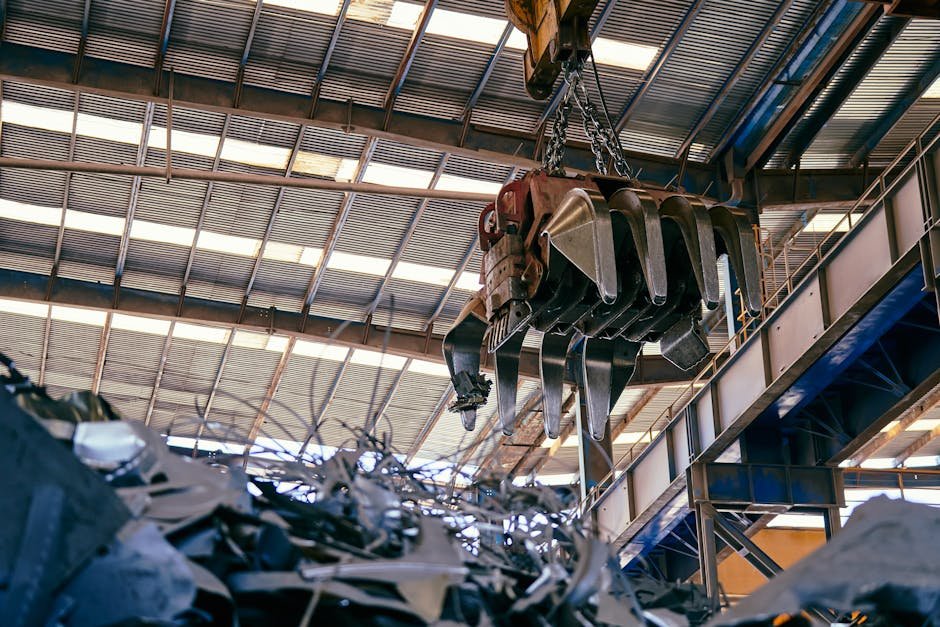

Understanding the current cast iron scrap price sydney is essential for anyone looking to liquidate industrial or residential metal assets. As an integral component of the ferrous scrap market, cast iron remains a highly sought-after commodity for foundries and steel mills across Australia. Whether you are a demolition contractor, a plumber clearing out old infrastructure, or a manufacturing facility managing production waste, knowing the iron price per kg allows you to make informed financial decisions. In this guide, we explore the nuances of the market, helping you navigate the complexities of metal recycling in New South Wales.
Understanding the Drivers of Cast Iron Scrap Price Sydney
The cast iron scrap price sydney is not a static figure; it is a dynamic reflection of global economic health. Unlike retail goods, the value of scrap metal is dictated by the London Metal Exchange (LME) and local demand from domestic foundries. When you look up metal prices today, you are seeing a snapshot of a complex supply chain. Several factors influence the final price per tonne you receive at the weighbridge.
First, global demand for steel and iron products is the primary driver. When construction booms in Asia, the demand for raw iron increases, pushing up the price per kg. Second, local logistics play a massive role. The cost of transporting heavy materials from a Sydney site to a processing facility is factored into the offer. If you have a large volume, you may achieve a higher rate due to economies of scale. Finally, the purity of your scrap is paramount. Contaminants like plastic, rubber, or non-ferrous metals (like copper or aluminium) will lower the value of your load significantly.
To stay ahead, it is vital to track current scrap prices regularly. You can find more detailed insights on how to value your materials by visiting our Cast Iron Scrap Price Per Pound A Complete Guide For Sellers. By understanding these market forces, you position yourself to sell when the market is at its peak, rather than settling for the first offer you receive.
Categorising Grades: What Are You Selling?
Not all iron is created equal. In the scrap industry, classification determines the cast iron scrap price sydney. Foundries demand specific chemical compositions to ensure the quality of their new castings. When you bring in your material, it will be graded based on its physical properties and origin.
Common grades include:
- Grey Cast Iron: Often found in engine blocks, machine bases, and heavy industrial equipment. It is prized for its high carbon content and vibration-damping properties.
- White Cast Iron: Extremely hard and brittle, usually found in heavy-duty wear applications like mining equipment.
- Ductile (Nodular) Iron: A more flexible version of cast iron, often used in pipes and automotive parts.
If you are dealing with specific infrastructure materials, it is important to know the specific value of your assets. For those dealing with plumbing waste, check out our guide on Cast Iron Pipe Scrap Price Sewer Water Pipes. Understanding these grades ensures you are not underselling high-value alloys that might be misclassified as generic scrap. If you are a business looking to offload bulk material, we recommend you Sell Industrial Cast Iron Scrap Foundry Material through established channels to ensure you receive a fair market rate.
The Mechanics of Metal Recycling in Australia
The recycling process is a sophisticated operation designed to turn waste back into high-quality raw material. Once your scrap is delivered to a facility, it undergoes a rigorous sorting process. Powerful magnets are used to separate ferrous scrap (iron and steel) from non-ferrous materials. Once separated, the iron is shredded or sheared into smaller, manageable pieces to increase its density.
This density is crucial for transport and for the melting process. In the foundry, the scrap is melted in an induction furnace. The molten metal is then refined to remove impurities and adjusted to meet the exact metallurgical specifications required for new products. This cycle is incredibly efficient; iron can be recycled indefinitely without losing its structural integrity. By participating in this process, you are not just making money; you are contributing to a circular economy that reduces the need for energy-intensive iron ore mining.
For those interested in the broader market, our cast iron price scrap metal page provides deeper insights into how these cycles work. We also encourage you to use our cast iron scrap price tracking tools to keep a close eye on daily fluctuations. If you need a reliable partner for your recycling needs, you can explore our services at Scrap Trade Australia, where we provide transparent pricing and professional logistics support.
Environmental Benefits and Sustainability
The environmental impact of recycling cast iron is profound. Traditional iron production involves mining iron ore, transporting it, and using vast amounts of coal in blast furnaces to reduce the ore into pig iron. This process is carbon-intensive and environmentally damaging. Conversely, recycling scrap iron requires significantly less energy—often up to 75% less than producing new iron from ore.
By choosing to recycle your cast iron, you are helping to reduce greenhouse gas emissions and preserving natural landscapes that would otherwise be destroyed by mining operations. Furthermore, the scrap metal industry in Sydney is highly regulated, ensuring that hazardous materials are handled safely and that waste is diverted from landfills. It is a win-win scenario for both the economy and the environment.
Maximizing Your Returns: Practical Tips for Sellers
To get the best possible price per kg, preparation is key. Here are some actionable tips for those looking to sell their scrap:
- Sort Your Metals: Keep your cast iron separate from steel, aluminium, and copper. Mixed loads are often purchased at the lowest common denominator price.
- Remove Non-Metal Attachments: If your cast iron part has bolts, rubber seals, or plastic casings, remove them. Clean scrap is worth significantly more than dirty, contaminated scrap.
- Volume Matters: If you have a large quantity, contact the yard in advance. Many facilities offer better rates for bulk deliveries or can arrange for collection, saving you transport costs.
- Time the Market: Keep an eye on metal prices today. If prices are trending upward, it may be worth holding onto your scrap for an extra week or two to maximize your return.
For more expert advice on how to manage your scrap inventory, visit the main portal at Scrap Trade for a comprehensive overview of industry best practices.
The Future of the Ferrous Market
The future of the iron market is tied to the global transition toward green steel. As industries move toward decarbonization, the demand for recycled scrap is expected to soar. Recycled iron is a critical input for electric arc furnaces (EAFs), which are far cleaner than traditional blast furnaces. This shift suggests that the long-term outlook for ferrous scrap remains positive. Sellers who build relationships with reputable recyclers today will be well-positioned to benefit from this increased demand in the coming years.
Common Misconceptions About Scrap Pricing
Many people assume that all scrap yards offer the same price, but this is rarely the case. Factors like the yard’s proximity to a port, their current inventory levels, and their specific contracts with foundries all influence the price they can offer. It is always wise to call ahead and ask for a current quote, especially if you have a large load. Additionally, don’t confuse wrought iron with cast iron; while both are iron-based, their market values differ due to their distinct metallurgical properties. Always ensure you know exactly what you are selling to avoid disappointment at the scale.
Conclusion
Navigating the cast iron scrap price sydney landscape requires a blend of market knowledge and practical preparation. By understanding the factors that influence price per tonne, correctly grading your materials, and working with professional recycling partners, you can ensure that you receive the maximum value for your scrap. Whether you are clearing out a small workshop or managing a large-scale industrial demolition, the principles remain the same: quality, volume, and timing are your best tools. We encourage you to stay informed, keep your materials clean, and contribute to a more sustainable future through responsible recycling.
FAQ
How often do scrap metal prices change? Scrap metal prices can change daily, or even hourly, depending on global market volatility and local demand. It is always recommended to check the current rates on the day you plan to sell.
What is the difference between cast iron and steel scrap? Cast iron is brittle and has a high carbon content, while steel is an alloy of iron and carbon that is much more ductile. Because they require different processing methods in foundries, they are priced and graded separately at scrap yards.
Do I need to clean my cast iron before selling? Yes, removing non-metallic attachments like rubber, plastic, or concrete will increase the value of your scrap. Most yards will apply a ‘dirty’ rate if they have to clean the material themselves, which significantly lowers your profit.
Can I sell rusted cast iron? Yes, surface rust is generally acceptable for cast iron scrap. However, if the iron is heavily corroded to the point where it has lost significant structural mass, it may be downgraded or rejected depending on the yard’s quality standards.
Related: Cast Iron Pipe Scrap Price Sewer Water Pipes
Frequently Asked Questions
How often do scrap metal prices change?
Scrap metal prices can change daily, or even hourly, depending on global market volatility and local demand. It is always recommended to check the current rates on the day you plan to sell.
What is the difference between cast iron and steel scrap?
Cast iron is brittle and has a high carbon content, while steel is an alloy of iron and carbon that is much more ductile. Because they require different processing methods in foundries, they are priced and graded separately at scrap yards.
Do I need to clean my cast iron before selling?
Yes, removing non-metallic attachments like rubber, plastic, or concrete will increase the value of your scrap. Most yards will apply a ‘dirty’ rate if they have to clean the material themselves, which significantly lowers your profit.
Can I sell rusted cast iron?
Yes, surface rust is generally acceptable for cast iron scrap. However, if the iron is heavily corroded to the point where it has lost significant structural mass, it may be downgraded or rejected depending on the yard’s quality standards.