
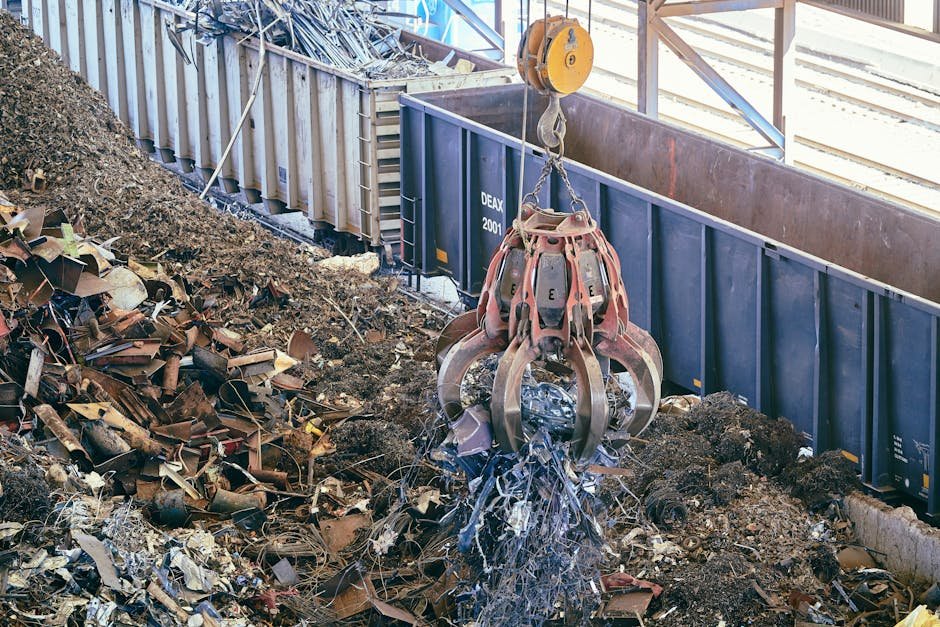

Navigating the volatile world of scrap iron prices per ton requires a deep understanding of the global commodities market and the specific dynamics of the Australian recycling industry. As a primary component of the circular economy, ferrous scrap serves as the backbone for steel production, making it a highly sought-after commodity for mills and foundries. Whether you are a construction firm, a demolition contractor, or an individual recycler, knowing how to interpret current scrap prices is essential for maximizing your profit margins. This guide provides an authoritative look at the factors influencing the price of scrap iron per ton, the technical classification of grades, and the environmental impact of responsible metal recycling.
Understanding the Global Market for Ferrous Scrap
The pricing of scrap metal is not arbitrary; it is a complex calculation tied to the global demand for steel. Australia, being a major exporter of iron ore, is intrinsically linked to the international steel market. When the demand for new steel increases in manufacturing hubs like China or Southeast Asia, the demand for recycled feedstock—which is cheaper and less energy-intensive to process than virgin ore—spikes accordingly. This creates a direct correlation between global metal prices today and the local rates offered at your nearest yard.
To stay ahead, savvy traders often consult the Scrap Prices index to monitor trends. The market is influenced by the LME (London Metal Exchange) and local supply-demand imbalances. When you look at the price per kg, remember that this is often a derivative of the bulk rate. Large-scale recyclers will always receive a better rate per tonne due to the reduced logistical costs associated with processing high-volume shipments. For those interested in networking or finding bulk buyers, joining an Iron Scrap Group can provide invaluable real-time insights into regional price shifts.
Factors Influencing Scrap Iron Prices Per Ton
Several critical factors dictate the fluctuations in scrap iron prices per ton. First and foremost is the purity of the material. Contamination is the enemy of profit. If your scrap iron is mixed with plastics, rubber, or non-ferrous metals like copper or aluminium, the processing costs rise, and the yard will deduct these costs from your payout. This is why segregation at the source is the single most effective way to increase your returns.
Logistics also play a massive role. Transporting heavy, bulky scrap is expensive. If your scrap is located far from a major port or a processing facility, the transport costs will be baked into the offer you receive. This is why you will see different Scrap Metal Prices in metropolitan areas compared to remote mining regions. Furthermore, the grade of the iron matters significantly. High-density steel, such as heavy structural beams, is far more valuable than thin, rusted sheet metal. When evaluating your inventory, consider the weight-to-volume ratio—the more dense the material, the more efficiently it can be shipped and melted.
Classifying Ferrous Scrap: Grades and Specifications
In the world of metal recycling, not all iron is created equal. Understanding the classification system is vital for anyone looking to optimize their revenue. The primary categories include:
- Heavy Melting Steel (HMS): This is the gold standard of ferrous scrap. It consists of thick, structural steel, such as I-beams, heavy plate, and industrial machinery. It is highly sought after because it is clean and easy to melt.
- Cast Iron: Often found in engine blocks, pipes, and old radiators. Cast iron is brittle and has a high carbon content. It is treated differently than steel and often commands a distinct price point.
- Wrought Iron: Though less common in modern construction, wrought iron is highly valued for its purity and historical significance. It is softer and more malleable than cast iron.
- Light Iron/Sheet Metal: This includes household appliances, car bodies, and thin-gauge materials. Because it has a lower density and often contains non-metallic attachments, it usually trades at a lower price per tonne.
For a detailed breakdown of how these grades are priced, visit the comprehensive guide on Scrap Metal Prices. By separating your materials into these specific grades before heading to the yard, you ensure that you are paid the highest possible rate for each category rather than a flat, low-grade “mixed scrap” rate.
The Recycling Process: From Scrap to Steel
The journey from a discarded piece of iron to a new steel product is a marvel of industrial engineering. Once the scrap is collected, it undergoes a rigorous process of sorting, cleaning, and shredding. Shredding is particularly important for light iron; by breaking down complex items like vehicles into fist-sized pieces, magnets can then be used to separate the ferrous iron from non-ferrous contaminants like glass, plastic, and dirt.
Once sorted, the iron is compressed into dense bales to facilitate transport. These bales are then loaded into electric arc furnaces (EAFs). Unlike traditional blast furnaces that rely on iron ore and coal, EAFs use electricity to melt recycled scrap. This process is significantly more energy-efficient and results in a much smaller carbon footprint. The molten metal is then refined, alloyed to meet specific engineering requirements, and cast into billets or slabs for manufacturing. For more information on the technology behind this, you can explore the resources provided by Scrap Trade Australia.
Environmental Benefits and Sustainability
Recycling iron is one of the most effective ways to reduce industrial environmental impact. Every tonne of recycled steel saves approximately 1.5 tonnes of iron ore, 0.5 tonnes of coal, and 40% of the water required for primary steel production. Furthermore, recycling iron consumes 75% less energy than producing new steel from virgin ore. This massive reduction in energy demand translates directly into lower greenhouse gas emissions.
Beyond energy savings, recycling prevents millions of tonnes of metal from ending up in landfills. Landfills are not designed to handle heavy metals, and as iron oxidizes (rusts), it can leach compounds into the soil and groundwater. By keeping ferrous scrap in the circular loop, we preserve natural landscapes and reduce the need for destructive open-pit mining. When you check the latest scrap prices per ton, you aren’t just looking at a financial figure—you are looking at the value of a resource that is being saved from waste.
Practical Tips for Maximizing Your Scrap Returns
If you want to ensure you are getting the best value, follow these expert tips:
- Sort and Clean: As mentioned, removing non-metallic contaminants is the easiest way to increase your payout. If you have a large load, separate the heavy steel from the light iron.
- Volume Matters: If you have a significant amount of scrap, contact the yard in advance. They may offer better pricing or even provide a skip bin service, which saves you on transport costs.
- Time the Market: While it is difficult to predict, keep an eye on international economic news. If major steel-producing nations are increasing production, the demand for scrap will rise, and prices will follow.
- Build Relationships: Don’t just show up to the nearest yard once. Build a relationship with a local manager. Consistent suppliers are often treated better and given more accurate, competitive quotes.
- Safety First: Scrap yards are industrial environments. Always wear high-visibility clothing, sturdy boots, and gloves. Never attempt to move heavy scrap without the proper equipment.
For those looking to track their own inventory and sales, using a digital platform like Scrap Trade can help you manage your scrap flow and stay updated on market shifts. By treating your scrap like a professional business asset, you can turn what others see as “junk” into a consistent revenue stream.
The Future of Ferrous Recycling
The industry is currently undergoing a digital transformation. We are seeing the integration of AI-driven sorting technologies that can identify metal alloys in milliseconds, leading to higher purity levels and better pricing. Additionally, as global governments push for “Net Zero” targets, the demand for green steel—steel produced using renewable energy and high-quality recycled scrap—is skyrocketing. This shift will likely put upward pressure on the price of scrap iron per ton in the coming decade, as high-quality scrap becomes a strategic resource for low-carbon steel production.
As a participant in this market, you are part of an essential supply chain. Whether you are a small-scale recycler or a large industrial firm, your contribution to the circular economy is vital. By staying informed, sorting your materials correctly, and understanding the market forces at play, you can ensure that you are maximizing your financial returns while contributing to a more sustainable future. For further reading on specific market movements and to compare rates, you can always refer to the data available at scrap prices per ton or check the historical trends at price of scrap iron per ton. Stay vigilant, stay safe, and keep recycling.
Frequently Asked Questions
What is the most valuable type of scrap iron?
Heavy Melting Steel (HMS) is generally the most valuable grade because it is clean, dense, and requires minimal processing to be melted down into new steel products.
How often do scrap metal prices change?
Scrap metal prices can fluctuate daily or weekly based on global steel demand, currency exchange rates, and local supply chain logistics. It is recommended to check current market rates immediately before selling your scrap.
Why is it important to sort my scrap iron?
Sorting your scrap iron by grade and removing contaminants like plastic, rubber, or non-ferrous metals ensures you receive the highest price per tonne. Mixed or dirty loads are typically downgraded to a lower price tier by recycling yards.
Does the weight of my scrap affect the price?
Yes, larger quantities of scrap typically command better prices because they are more cost-effective for yards to transport and process. Many yards offer tiered pricing based on the total weight of the delivery.