
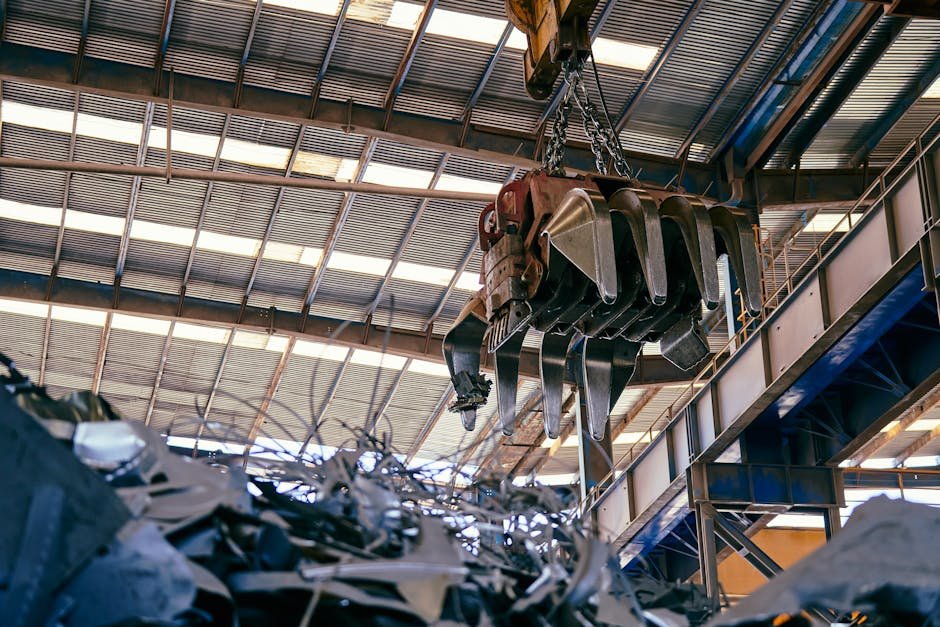

When searching for reliable scrap steel Ingleburn services, it is essential to understand that the industry is built on precision, logistics, and global market connectivity. Ingleburn, as a key industrial hub in Sydney’s southwest, generates significant volumes of ferrous metal waste from construction, manufacturing, and automotive sectors. Navigating this market requires more than just finding a yard; it requires an understanding of how the supply chain functions and how to optimize your material for the best possible valuation.
The Fundamentals of Ferrous Metal and Scrap Steel Grading
To succeed in the recycling industry, you must first understand the distinction between various metals. Steel is a ferrous metal, meaning it contains iron and is magnetic. Unlike non-ferrous metals, which are often priced based on purity and rarity, steel pricing is largely driven by its physical state, density, and the level of contaminants present. When you bring materials to a scrap steel Ingleburn facility, the operator will assess your load based on specific industry standards.
Understanding the difference between grades is critical for anyone looking to optimize their returns. For instance, heavy structural steel is treated differently than light-gauge sheet metal. To get the best value, you should familiarize yourself with the nuances of Steel Scrap Grading 1 Prepared 2 Prepared Shredded. These classifications dictate how the scrap is processed by the mill. Prepared scrap has been cut or sheared to specific dimensions, making it immediately ready for the furnace, whereas unprepared scrap requires labor-intensive processing, which lowers the initial payout.
Furthermore, not all steel is created equal. Mild steel is the most common form, widely used in construction due to its versatility and weldability. However, if you are dealing with high-alloy materials, you might be looking at a different category entirely. For those dealing with specialized alloys, understanding the Stainless Steel Scrap Price is vital, as these materials contain chromium and nickel, which command a premium over standard carbon steel. Always ensure your scrap is free from non-metallic contaminants like plastic, rubber, or concrete, as these can lead to significant deductions in your final payment.
How the Recycling Process Works in Ingleburn
The journey of a piece of scrap metal from a demolition site in Ingleburn to a new product is a marvel of modern industrial engineering. Once the material is collected, it undergoes a rigorous sorting process. Advanced facilities use magnetic separation to pull ferrous metals away from non-ferrous items. Following this, the material is shredded or sheared. Shredding is particularly important for automotive scrap, as it reduces bulky car bodies into palm-sized pieces, allowing for the efficient removal of contaminants through air classification and density separation.
For those interested in the broader industry, it is worth exploring What Scrap Trade Actually Is. It is not merely about hauling metal; it is about managing a global commodity. Once the steel is processed, it is baled into dense cubes for transport. These bales are then shipped to steel mills where they are melted in Electric Arc Furnaces (EAFs). This process is far more energy-efficient than producing virgin steel from iron ore. By recycling, we close the loop, turning yesterday’s infrastructure into tomorrow’s skyscrapers.
If you are a business owner or a contractor, you likely want to know how much is scrap steel at any given moment. Prices are volatile and influenced by global demand, particularly from major manufacturing economies. To stay ahead, you should maintain a relationship with a trusted scrap steel buyer who provides transparent pricing and reliable logistics. You can visit Scrap Trade for real-time updates and industry insights, or check out Scraptrade.com.au for localized Australian market data.
Environmental Benefits of Steel Recycling
The environmental case for recycling steel is undeniable. Steel is infinitely recyclable, meaning it can be melted down and reformed without losing its structural integrity. Every tonne of recycled steel saves approximately 1.5 tonnes of iron ore, 0.5 tonnes of coal, and 40% of the water required for primary steel production. By choosing to recycle your scrap steel Ingleburn, you are directly contributing to a reduction in the carbon footprint of the Australian construction and manufacturing sectors.
Beyond energy savings, recycling reduces the need for destructive mining practices. Mining iron ore involves massive land disruption, habitat destruction, and significant water pollution. By diverting scrap from landfills, we also reduce the amount of waste accumulating in our environment. Modern recycling facilities are also subject to strict environmental regulations, ensuring that oils, fluids, and hazardous materials associated with industrial scrap are captured and disposed of safely rather than leaching into the local Ingleburn ecosystem.
Maximizing Your Returns: The Steel Price Per Tonne
The steel price per tonne is never static. It fluctuates based on a variety of macroeconomic factors, including the price of iron ore, global energy costs, and industrial output in major markets like China and the US. As a seller, you can maximize your returns by timing your sales and preparing your material correctly. Large volumes of clean, sorted material will always command a better price than mixed, dirty scrap. If you have a large demolition project, consider segregating your steel by grade on-site to minimize handling costs at the yard.
Another factor to consider is logistics. Transporting heavy metal is expensive. If you are generating significant volumes of scrap, look for a buyer who offers efficient collection services. A professional buyer will provide bins or skip services, which not only keeps your worksite clean and safe but also streamlines the collection process. Remember that the cost of logistics is often baked into the price you receive; therefore, efficiency in loading and transport can directly improve your bottom line.
Safety and Compliance in Scrap Handling
Handling scrap steel is inherently dangerous. Heavy machinery, sharp edges, and the risk of falling objects make safety the number one priority. When visiting a scrap yard in Ingleburn, always adhere to the facility’s safety protocols. This includes wearing appropriate Personal Protective Equipment (PPE), such as high-visibility vests, steel-capped boots, and gloves. Never attempt to move heavy scrap without the proper equipment, and always follow the instructions of site personnel.
Compliance is equally important. Regulations regarding the disposal of hazardous materials, such as batteries or fluids found in automotive scrap, are strictly enforced. As a generator of scrap, you have a responsibility to ensure your materials are handled in accordance with local environmental laws. Working with a reputable, licensed recycler ensures that you are not only getting paid fairly but also avoiding potential legal liabilities associated with improper waste disposal.
Future Trends in the Australian Scrap Industry
The future of the scrap industry is increasingly digital and sustainable. We are seeing a shift toward more transparent pricing models and better traceability of materials. As the world moves toward a circular economy, the demand for high-quality recycled steel is expected to grow. Technologies such as automated optical sorting and AI-driven quality control are becoming standard, allowing recyclers to produce higher-purity steel products that meet the stringent requirements of modern manufacturing.
Furthermore, there is a growing emphasis on local processing. By keeping more of the recycling value chain within Australia, we reduce our reliance on international shipping and build a more resilient local economy. For businesses in Ingleburn, this means more opportunities to partner with local recyclers who can offer customized solutions for their waste management needs, ultimately leading to a more sustainable and profitable future for all stakeholders involved.
Practical Tips for Scrap Management
To get the most out of your scrap management strategy, implement a sorting system at your facility. Label your bins clearly to prevent cross-contamination. For example, keep your sheet metal separate from your heavy structural beams. Regularly review your scrap piles to ensure that high-value metals aren’t being mixed in with low-value general steel. If you have a recurring volume of scrap, negotiate a contract with your buyer to lock in pricing or service terms that benefit your business operations.
Lastly, keep an eye on the market. Subscribe to industry newsletters or check in with your buyer regularly to understand the trends affecting the steel price per tonne. Being informed allows you to make strategic decisions, such as holding onto your inventory during a market dip or selling when demand is high. By treating your scrap not as waste, but as a valuable resource, you can turn a cost center into a profit center.
Conclusion
The scrap steel industry in Ingleburn is a vital component of Australia’s circular economy. Whether you are a small contractor or a large industrial firm, understanding the grades, the recycling process, and the market dynamics is key to success. By focusing on proper sorting, safety, and choosing the right partners, you can ensure that your scrap steel is handled efficiently and profitably. As we continue to prioritize sustainability, the role of scrap recycling will only grow in importance, making it a smart and responsible choice for every business in the region.
Frequently Asked Questions
What is the best way to prepare scrap steel for sale?
To get the best price, sort your scrap by grade and remove any non-metallic contaminants like plastic, wood, or concrete. Cutting larger pieces into manageable, uniform sizes can also help you qualify for higher-value ‘prepared’ grades.
How often do scrap steel prices change?
Scrap steel prices are highly volatile and can fluctuate daily or weekly based on global market demand, iron ore prices, and regional supply levels. It is recommended to check current rates with your buyer before selling large quantities.
Are there items I cannot include in my scrap steel load?
Yes, you should avoid including hazardous materials such as sealed containers, gas cylinders, radioactive materials, or items containing asbestos. Always check with your local Ingleburn recycling facility regarding their specific acceptance policies for hazardous waste.
Why is it better to recycle steel than to mine new iron ore?
Recycling steel significantly reduces energy consumption, lowers carbon emissions, and preserves natural resources by eliminating the need for mining and refining virgin iron ore. It is a much more sustainable process that supports a circular economy.