
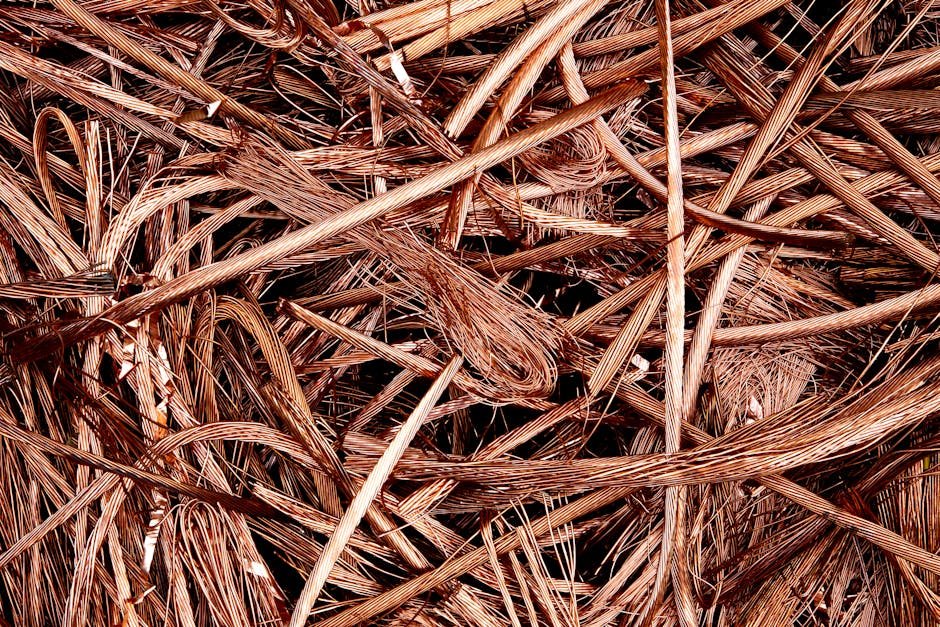

If you are an electrician, plumber, or a DIY enthusiast looking to turn your waste into wealth, you are likely asking: how much is scrap copper worth today? Understanding the nuances of the metal market is essential for maximizing your returns. Because copper is a highly conductive and infinitely recyclable metal, it remains one of the most valuable commodities in the scrap metal industry. Whether you have piles of Scrap Copper from a renovation or industrial offcuts, knowing how to sort your materials is the first step toward getting the best payout.
Understanding Copper Grades and Quality
In the world of metal recycling, not all copper is created equal. The value is determined by its grade, which reflects the level of purity and the amount of processing required to refine it back into new products. When you visit professional metal recycling facilities, they will assess your haul based on specific industry standards.
Bare Bright Copper: This is the gold standard of the scrap world. It consists of unalloyed, uncoated, and uninsulated copper wire that is clean and free of any oxidation or debris. Because it is essentially pure copper, it requires the least amount of effort for smelters to process, making it the most expensive grade.
Number 1 Copper: This grade includes clean copper pipe and heavy-gauge wire that is free of solder, paint, or other coatings. While it is slightly less valuable than bare bright due to potential minor surface oxidation, it is still highly sought after.
Number 2 Copper: This is a lower grade that often includes copper pipe with solder joints, slightly oxidized wire, or items that have minor impurities. Many beginners ask how much is scrap copper when it is in this form, and the answer is that while it pays less than Number 1, it is still a significant revenue stream for those dealing with plumbing demolition.
Insulated Copper Wire: This is perhaps the most common form of scrap found by electricians. The value here depends on the “recovery rate” of the copper inside the plastic insulation. High-grade data cables or thick power cables have a higher copper-to-plastic ratio, while thin, cheap extension cords may be worth significantly less.
The Factors Influencing Copper Price Per Kg
The copper price per kg is not a static figure. It fluctuates daily based on global supply and demand, geopolitical stability, and the strength of the Australian dollar. Because copper is a vital component in everything from renewable energy grids to electric vehicles, the demand for this metal is currently at an all-time high.
When searching for Scrap Copper Prices Near Me, keep in mind that local scrap yards factor in their own operational costs, including transport, labor, and refining energy. If you are a commercial contractor, you might find that joining a Copper Scrap Group provides you with better insights into market trends and bulk selling opportunities. Always ensure you are dealing with reputable copper scrap dealers to guarantee that you are getting honest weights and fair market rates.
Another factor is the sheer volume of your scrap. Larger quantities often allow for better negotiation, as recyclers prefer consistent, high-volume suppliers. If you are still wondering how much is scrap copper worth for your specific batch, consider separating your metals by grade before heading to the yard. Mixing grades often results in the entire batch being valued at the lowest common denominator.
The Environmental Benefits of Copper Recycling
Beyond the financial incentives, recycling copper is a cornerstone of the circular economy. Copper is 100% recyclable without any loss of its physical or chemical properties. This means that a copper pipe used in a home today could be melted down and turned into a component for a wind turbine or a high-tech circuit board tomorrow.
Mining for virgin copper is an energy-intensive and environmentally destructive process. It requires massive open-pit mines, significant water usage, and the production of toxic tailings. By contrast, recycling copper consumes up to 85% less energy than mining and refining ore from the ground. When you choose to recycle your scrap metal, you are directly reducing the carbon footprint of the manufacturing sector. This is a vital contribution to Australia’s sustainability goals.
How the Recycling Process Works
Once you drop off your scrap at a facility, the transformation begins. The process is highly efficient and designed to strip away impurities:
- Sorting and Grading: The scrap is inspected for contaminants. Magnetic separators are used to remove ferrous metals (like steel or iron) that might have been mixed in with the copper.
- Shredding: Large machines shred the copper into smaller, manageable pieces, which makes it easier to remove insulation from wires.
- Granulation: For insulated wire, granulators chop the material into tiny pieces. Air tables or water baths are then used to separate the heavier copper granules from the lighter plastic or rubber insulation.
- Smelting: The pure copper is melted in massive furnaces. During this stage, any remaining trace impurities are removed through oxidation or electrolysis.
- Casting: The molten copper is poured into molds to create ingots, billets, or rods, which are then sold back to manufacturers to create new products.
Practical Tips for Maximizing Your Scrap Value
To get the most out of your scrap, preparation is key. Here are some expert tips:
1. Strip Your Wire: If you have the time, stripping the plastic insulation off copper wire can significantly increase its value. However, only do this if the wire is thick enough to make the time investment worthwhile. Thin wire is often better sold as-is to save on labor.
2. Clean Your Pipe: Use a pipe cutter to remove soldered joints or brass fittings. These impurities will downgrade your clean copper to Number 2 status. Keep the brass fittings in a separate bucket—they have their own market value.
3. Keep it Dry and Clean: Dirt, mud, and moisture add unnecessary weight and can cause oxidation. Store your scrap in a dry, covered area to maintain its quality.
4. Build Relationships: Establishing a relationship with a local yard can lead to better pricing and more reliable service. Ask them for a price list or sign up for their market updates.
The Future of the Copper Market
The global transition toward electrification is driving an unprecedented demand for copper. Electric vehicles, for instance, require significantly more copper than internal combustion engine cars. As the world moves away from fossil fuels, the infrastructure for renewable energy—solar panels, wind turbines, and massive battery storage systems—relies heavily on copper wiring and components.
This long-term demand suggests that the value of copper will remain robust. For those involved in the trade, this is a golden era. However, it also highlights the importance of responsible recycling. As the world becomes more reliant on this metal, the ability to recover it from the waste stream becomes not just a business opportunity, but a necessity for global supply chains.
Safety and Compliance in Scrap Trading
When collecting and transporting scrap metal, safety should always be your priority. Copper is heavy, and sharp edges on cut pipes or stripped wires can cause severe injuries. Always wear heavy-duty gloves and protective eyewear. Furthermore, be aware of local council regulations regarding the storage of scrap metal on residential properties. Many councils have strict rules about the accumulation of waste to prevent environmental hazards or public nuisance.
When selling, always bring valid identification. Reputable scrap yards in Australia are required by law to record transactions to prevent the trade of stolen metals. This regulation helps keep the industry professional and discourages illegal activity, ensuring that the market remains fair for everyone involved.
Conclusion: Turning Waste into a Resource
Whether you are a professional contractor or a homeowner clearing out a shed, understanding the value and process of copper recycling is a smart move. By learning to identify grades, keeping your materials clean, and working with trusted partners, you can turn what was once considered “junk” into a valuable revenue stream. Remember, every kilogram of copper you recycle is a step toward a more sustainable future, reducing the need for new mining and preserving our planet’s resources.
If you have questions about your specific materials or want to check current rates, always reach out to your local yard. The effort you put into sorting and preparing your scrap will always pay dividends in the long run. Start today, and turn that pile of copper into cash.
Related: how much is scrap copper worth
Frequently Asked Questions
What is the difference between bare bright and number 2 copper?
Bare bright copper is pure, unoxidized, and uncoated wire, making it the highest-valued grade. Number 2 copper includes copper with minor impurities like solder, paint, or light oxidation, which lowers its price per kg.
Is it worth stripping insulated copper wire?
It depends on the thickness of the wire and the time you have available. Stripping thick wire is usually very profitable, while stripping thin, cheap wire may not be worth the labor cost compared to selling it as insulated scrap.
Why do scrap copper prices change daily?
Copper is a globally traded commodity influenced by the London Metal Exchange. Prices fluctuate based on international supply and demand, currency exchange rates, and the overall health of the global manufacturing sector.
Do I need to clean my copper before taking it to the scrap yard?
Yes, cleaning your copper by removing non-copper attachments like brass fittings, steel screws, or plastic insulation will help you get a higher price. Mixing grades often results in the yard paying you the lowest grade price for the entire batch.