
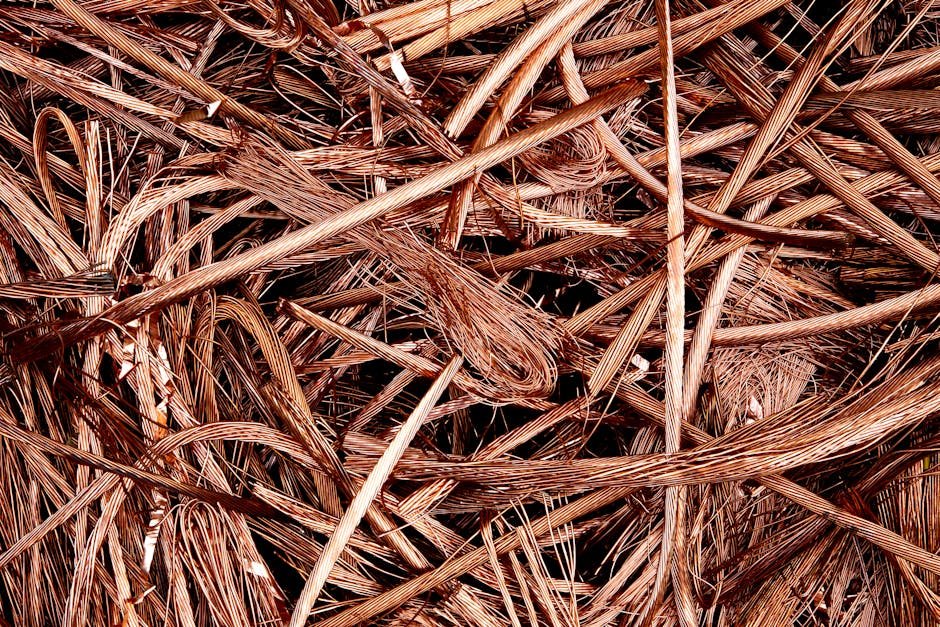

Understanding the current value of scrap copper is essential for contractors, electricians, and homeowners looking to maximize their returns in the Australian recycling market. Because copper is a highly conductive, infinitely recyclable metal, its market price is heavily influenced by industrial demand, mining output, and global economic health. Whether you are clearing out a job site or managing industrial waste, knowing how to classify your materials is the first step toward securing the best market rates. The current value of scrap copper is not a static number; it is a dynamic figure that reflects the purity of the metal you bring to the yard. When you are ready to sell, checking the current copper scrap price is a vital step in ensuring you are getting a fair deal based on the daily market fluctuations.
The Economics of Copper Recycling in Australia
Copper is one of the most valuable non-ferrous metals in the world. Its role in electrical infrastructure, telecommunications, and construction makes it a cornerstone of the global economy. In Australia, the recycling industry plays a crucial role in reducing the need for virgin mining, which is both energy-intensive and environmentally taxing. When you decide to sell your Scrap Copper, you are participating in a circular economy that keeps high-value materials out of landfills and back into the manufacturing cycle.
The price you receive at a recycling facility is determined by the London Metal Exchange (LME) and then adjusted for local factors like transport, processing costs, and purity. Because of this, it is common to see variations in pricing between different regions. If you are searching for the best rates, using a tool to find Scrap Copper Prices Near Me can help you compare local facilities. Factors influencing these prices include the volume of your scrap, the cleanliness of the material (e.g., whether it is stripped or still has insulation), and the current demand for specific grades.
Understanding Copper Grades: From Bare Bright to Number 2
To get the highest payout, you must understand how recyclers grade material. Not all copper is created equal. The purity of the metal is the primary determinant of its value. Here is a breakdown of the most common grades you will encounter:
- Bare Bright Copper: This is the gold standard of scrap. It consists of clean, unalloyed, uncoated, and uninsulated copper wire, typically 16 gauge or thicker. It must be free of any paint, varnish, or oxidation. Because it requires the least amount of processing, it commands the highest price.
- Number 1 Copper: This grade includes copper pipe and tubing that is clean and free of fittings, insulation, solder, or paint. It is essentially high-quality, clean copper that has been used in plumbing or industrial applications.
- Number 2 Copper: This grade is slightly lower in quality. It may include copper that has been soldered, has minor oxidation, or contains small amounts of impurities. Often, copper pipe with brass fittings or slight corrosion falls into this category.
- Insulated Copper Wire: This is copper wire that still has its plastic or rubber coating. The value here depends on the “recovery rate,” which is the percentage of copper remaining after the plastic insulation is removed.
By sorting your materials into these distinct categories before heading to the yard, you can significantly increase the total value of your load. Mixing grades often results in the recycler paying you the rate for the lowest-value item in the pile, so segregation is a pro-level tip for maximizing your profit.
How the Recycling Process Works
Copper recycling is a sophisticated process designed to maintain the metal’s integrity. Unlike plastics, which degrade over time, copper can be recycled indefinitely without losing its chemical or physical properties. The process typically begins with collection and sorting. Once the scrap arrives at a professional facility, it is processed through shredders or granulators to separate the metal from non-metallic materials like plastic insulation or dirt.
For insulated wire, specialized machines use high-speed blades to strip the plastic casing, leaving behind clean copper strands. Once separated, the copper is melted down in a furnace. During the melting process, any remaining impurities are removed through a refining process, often involving electrolysis to ensure the resulting copper is 99.9% pure. This high-purity copper is then cast into ingots or rods, which are sold to manufacturers to create new wiring, pipes, and electronic components. For those interested in the broader industry, the Copper Scrap Group provides excellent resources on market trends and industry standards.
Environmental Benefits of Copper Recycling
The environmental case for recycling copper is overwhelming. Mining for virgin copper ore is a destructive process that requires massive amounts of energy, water, and land. It also produces significant amounts of waste, including tailings that can contaminate local water supplies. By choosing to recycle, you are effectively reducing the carbon footprint of the manufacturing industry.
Recycling copper uses approximately 85% less energy than producing copper from raw ore. This massive energy saving directly translates to a reduction in greenhouse gas emissions. Furthermore, because copper is a finite resource, recycling ensures that we can continue to meet the world’s growing demand for electrical components without exhausting the planet’s natural reserves. When you work with a reputable Australian scrap metal recycling platform, you are contributing to a sustainable future while also capturing the economic value of the materials you handle.
Practical Tips for Maximizing Your Scrap Value
If you want to ensure you are getting the best return, follow these expert tips:
- Clean your copper: Remove as much non-copper material as possible. If you have copper pipe, remove any brass valves, fittings, or heavy solder. If you have insulated wire, consider stripping it yourself if the volume justifies the time.
- Sort by grade: Keep your bare bright, #1, and #2 copper in separate bins. Never mix them.
- Monitor the market: Use online resources to track the current value of scrap copper. Prices can change weekly or even daily, so timing your sale can make a difference. Check the current cost of scrap copper regularly to stay informed.
- Build a relationship: If you are a regular supplier, talk to the yard manager. High-volume, consistent suppliers are often eligible for better pricing tiers.
- Safety first: Always wear gloves and eye protection when handling scrap, especially when stripping wires or cutting copper pipe.
By treating your scrap as a valuable commodity rather than just waste, you shift your perspective from “getting rid of junk” to “managing a resource.” This professional approach is exactly what successful contractors and demolition teams use to bolster their bottom line.
The Future of Copper and Sustainable Industry
As the world transitions toward renewable energy, the demand for copper is set to skyrocket. Electric vehicles (EVs) contain significantly more copper than internal combustion engine vehicles, and renewable energy infrastructure like solar panels and wind turbines are incredibly copper-intensive. This surge in demand is likely to keep the current value of scrap copper elevated for the foreseeable future. Australia, as a major player in the global mining and recycling sector, is positioned to benefit from this trend.
For individuals and businesses alike, the message is clear: do not throw away your copper. Whether it is a few meters of copper wire from a renovation or a ton of copper pipe from a demolition, every kilogram counts. By utilizing professional scrap metal trading platforms, you ensure that your materials are handled efficiently, ethically, and profitably. The industry is becoming more transparent, with digital tools making it easier than ever to access real-time pricing and locate reputable buyers. The shift toward a circular economy is not just a trend; it is a necessity for a resource-constrained world.
Frequently Asked Questions
For those still navigating the complexities of the scrap market, here are answers to the most common questions we receive regarding the recycling process and valuation.
Why does the price of copper change so often? The price of copper is driven by global supply and demand on the London Metal Exchange. Factors such as mining output, geopolitical stability, and industrial growth in major economies like China and the US cause daily fluctuations in the market.
Is it worth stripping the insulation off my copper wire? Generally, yes, if you have the time and the right tools. Clean copper wire (bare bright) always fetches a higher price than insulated wire, but you must factor in the time spent stripping it versus the price difference per kilogram.
What is the difference between #1 and #2 copper? #1 copper is clean, unalloyed, and free of solder or paint, while #2 copper may have minor impurities like solder, light oxidation, or paint. Because #1 requires less processing to reach a pure state, it is more valuable.
How can I find the best price for my scrap in my area? The best way to find competitive rates is to use online price-tracking tools and directories to compare local yards. Always call ahead to ask for the current rate for the specific grade of copper you are bringing in, as prices can vary by facility.
In conclusion, the recycling of copper is a vital component of both the Australian economy and our global environmental strategy. By understanding the grades, monitoring market movements, and partnering with the right recycling facilities, you can turn your scrap into a significant revenue stream. Whether you are a tradesperson or a homeowner, the value inherent in your copper scrap is a resource that should not be wasted. Stay informed, sort your materials, and contribute to a more sustainable future by participating in the copper recycling loop.
Frequently Asked Questions
Why does the price of copper change so often?
The price of copper is driven by global supply and demand on the London Metal Exchange. Factors such as mining output, geopolitical stability, and industrial growth in major economies like China and the US cause daily fluctuations in the market.
Is it worth stripping the insulation off my copper wire?
Generally, yes, if you have the time and the right tools. Clean copper wire (bare bright) always fetches a higher price than insulated wire, but you must factor in the time spent stripping it versus the price difference per kilogram.
What is the difference between #1 and #2 copper?
Number 1 copper is clean, unalloyed, and free of solder or paint, while number 2 copper may have minor impurities like solder, light oxidation, or paint. Because number 1 requires less processing to reach a pure state, it is more valuable.
How can I find the best price for my scrap in my area?
The best way to find competitive rates is to use online price-tracking tools and directories to compare local yards. Always call ahead to ask for the current rate for the specific grade of copper you are bringing in, as prices can vary by facility.