

Understanding the current recycle steel price is essential for anyone looking to dispose of industrial or domestic metal waste efficiently. As the Australian economy shifts toward a circular model, the value of scrap steel has become a critical indicator of industrial health. Whether you are a construction firm managing site waste or a homeowner clearing out a garage, knowing how the market functions will ensure you receive a fair return for your material.
The Dynamics of Current Scrap Prices in Australia
The Australian scrap metal industry is deeply integrated into the global commodities market. When you look at metal prices today, you are seeing the culmination of international trade data, mining output, and manufacturing demand. Steel, primarily classified as a ferrous metal, is the backbone of the recycling industry. Unlike non-ferrous metals which often command higher premiums, steel is traded in high volumes, making the steel price per tonne the standard benchmark for industrial transactions.
Market volatility is a constant. Factors such as the cost of iron ore, the price of coking coal, and shipping logistics from Australian ports to major manufacturing hubs in Asia significantly influence the recycle steel price. When global demand for new infrastructure projects increases, the demand for recycled steel—which is energy-efficient to produce—rises accordingly. Conversely, economic slowdowns can lead to a softening of prices as manufacturing output dips.
For those interested in the broader metal market, it is helpful to compare these figures against other materials. For instance, understanding the Aluminum Scrap Price In 2026 provides context on how different metal sectors perform under varying economic conditions. Similarly, if you have mixed loads, you may want to investigate the Stainless Steel Scrap Price to ensure you are segregating your metals for maximum profit.
How Steel Prices Are Determined Per Kg
The price per kg you receive at a scrap yard is rarely a flat rate. It is determined by several specific variables that scrap dealers evaluate upon delivery. First and foremost is the grade of the steel. Mild steel, which is common in structural beams and heavy machinery, is often valued differently than light sheet metal or rusted, contaminated scrap. The cleaner the material, the higher the price.
To get a clear picture of what you should expect, consult our Scrap Steel Price Per Kg A Complete Guide For Sellers. This resource breaks down the specific grading criteria used by Australian recyclers. Beyond the grade, the volume of your scrap is a major factor. Commercial quantities delivered in bulk are almost always priced higher per tonne than small, “boot-load” quantities, as the overhead costs for the recycler are lower per unit of material.
Logistics also play a role. If you are dropping off material at a local yard, you save on the transport costs that a recycler would otherwise deduct from your payout. If you require a bin service or a pickup, the cost of labor, fuel, and equipment usage will be subtracted from the total value of your scrap steel. Always check the professional metal trading services available in your region to see how they structure their collection fees versus drop-off incentives.
The Steel Recycling Process: From Scrap to New Product
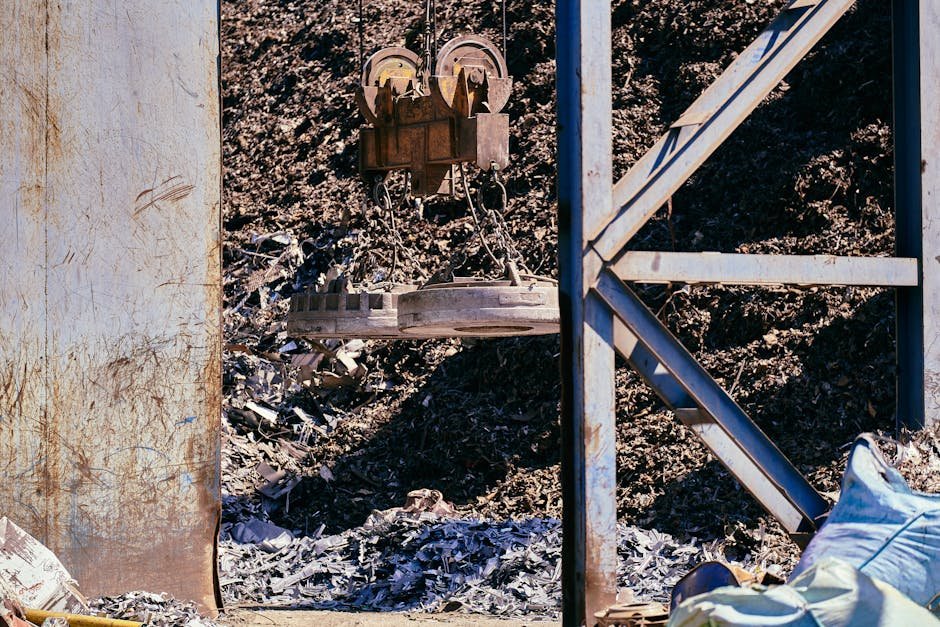
The journey of a piece of scrap steel is a marvel of modern engineering. Once collected, the ferrous metal is transported to a processing facility. Here, the material is sorted to remove impurities like plastic, glass, or non-ferrous metals. High-powered magnets are the primary tool used to separate steel from the waste stream, ensuring a high-purity product for the furnace.
After sorting, the steel is shredded or sheared into smaller, manageable pieces to increase its density. This process is vital for transport and for efficient melting in an Electric Arc Furnace (EAF). The EAF is the heart of the recycling process, where the scrap is melted down at temperatures exceeding 1,600 degrees Celsius. The resulting molten metal is then refined, alloyed if necessary, and cast into new billets, rods, or sheets. This entire cycle can be repeated indefinitely without the steel losing its structural integrity.
For those dealing with more specialized alloys, the process remains similar but requires more rigorous testing. If you are looking for specific data on recycling high-grade alloys, you might find the stainless steel recycle price useful for your financial planning. Similarly, when assessing the value of your inventory, understanding the recycle price stainless steel can help you decide whether to sell now or hold for better market conditions.
Environmental Impact and the Circular Economy
Recycling steel is one of the most effective ways to reduce industrial carbon footprints. Producing steel from virgin iron ore requires massive amounts of energy for mining, crushing, and smelting. In contrast, recycling steel consumes approximately 75% less energy than producing it from raw materials. This energy saving translates directly into a significant reduction in greenhouse gas emissions.
Furthermore, recycling steel prevents millions of tonnes of waste from entering landfills annually. In Australia, the government’s push for a circular economy encourages businesses to prioritize the recovery of industrial scrap. By participating in the recycling chain, you are not just earning money; you are contributing to a sustainable supply chain that preserves natural resources and reduces the need for environmentally destructive mining operations. Every tonne of recycled steel saves over a tonne of iron ore and significant amounts of coal and limestone.
Drop-off vs. Pickup: Maximizing Your Return
Deciding between dropping off your scrap or requesting a pickup is a common dilemma. If you have a small amount of scrap, a drop-off is almost always the most profitable route. Most scrap yards in Australia have public weighbridges and pay on the spot. Before you head out, ensure your material is sorted. Mixing different types of metal—like throwing aluminum in with your steel—will result in a “mixed scrap” price, which is significantly lower than the price for clean, separated steel.
For large-scale industrial projects, a pickup service is necessary. When arranging this, ensure you provide the recycler with accurate details about the volume and type of material. Some companies offer free bin hire if the volume of scrap is high enough to justify the transport costs. Always compare the net return—the value of the scrap minus the pickup fee—to ensure you are getting the best deal. Visit our comprehensive trading platform to find verified recyclers who offer transparent pricing and reliable collection services across Australia.
Factors Affecting the Cost and Value of Scrap Steel
Beyond the simple supply and demand, several operational factors affect the final price you receive. Geography is a major component; scrap yards located near major ports or industrial hubs often have lower transport costs, which they can pass on to the seller in the form of higher prices. Conversely, remote locations may see lower prices due to the high cost of moving the material to a processor.
Seasonality also plays a subtle role. Construction activity often peaks in certain months, leading to an influx of scrap steel, which can briefly depress prices. Conversely, during holiday periods or winter months, scrap collection may slow down, occasionally leading to price spikes as recyclers compete for available stock to keep their furnaces running. Staying informed about these trends through industry reports is the best way to time your sales for maximum profit.
Future Trends in the Australian Steel Market
The future of the recycle steel price is tied to the global transition toward “Green Steel.” As manufacturers look to reduce their Scope 3 emissions, the demand for high-quality recycled steel is expected to rise. This shift will likely increase the premium paid for clean, high-grade scrap. Sellers who invest in better sorting and separation techniques at the source will be the ones who benefit most from these market shifts.
We are also seeing an increase in automation at scrap yards. Advanced sensor-based sorting, including X-ray fluorescence (XRF) technology, allows recyclers to identify and separate metal alloys with extreme precision. This reduces the risk of contamination and ensures that the final product meets the stringent requirements of modern manufacturing, further stabilizing the value of recycled materials in the long term.
Practical Tips for Sellers
To ensure you are getting the best possible recycle steel price, follow these expert tips:
- Sort and Clean: Always separate your metals. Keep mild steel away from sheet metal, and definitely keep non-ferrous metals separate.
- Remove Non-Metal Attachments: If you are selling a machine, remove plastic, rubber, and wood. The more “clean” the steel, the higher the price per tonne.
- Build Relationships: If you are a regular seller, talk to the yard manager. Establishing a long-term relationship can lead to better pricing tiers and priority service.
- Monitor the Market: Check metal prices today regularly. Don’t sell in a panic during a temporary price dip if you have the storage capacity to wait for a recovery.
- Safety First: Always follow the safety protocols of the scrap yard. Wear appropriate PPE, and ensure your load is secured during transport.
By treating your scrap as a valuable commodity rather than just waste, you can turn a disposal cost into a revenue stream. The Australian market for recycled steel is robust and growing, and with the right knowledge, you can navigate it with confidence. Whether you are managing a single site or a national operation, the principles of high-quality sorting and timely selling remain the keys to success in this essential industry.
Frequently Asked Questions
How often do scrap steel prices change?
Scrap steel prices can fluctuate daily or weekly based on global commodity markets, shipping costs, and local demand. It is recommended to check current market rates immediately before you plan to sell your material.
What is the difference between ferrous and non-ferrous scrap?
Ferrous metals contain iron, such as steel and iron, and are generally magnetic. Non-ferrous metals, such as aluminum, copper, and stainless steel, do not contain iron and typically command higher market prices.
Does rust affect the price of my scrap steel?
Yes, heavy rust or oxidation can reduce the value of your steel because it is considered a contaminant during the melting process. Clean, unoxidized steel is always preferred by recyclers and attracts a higher price.
Should I strip insulation or plastic from my scrap steel?
Absolutely. Removing non-metallic attachments like plastic, rubber, or wood increases the purity of your load. Recyclers pay significantly more for ‘clean’ scrap because it requires less labor to process before it can be melted.