
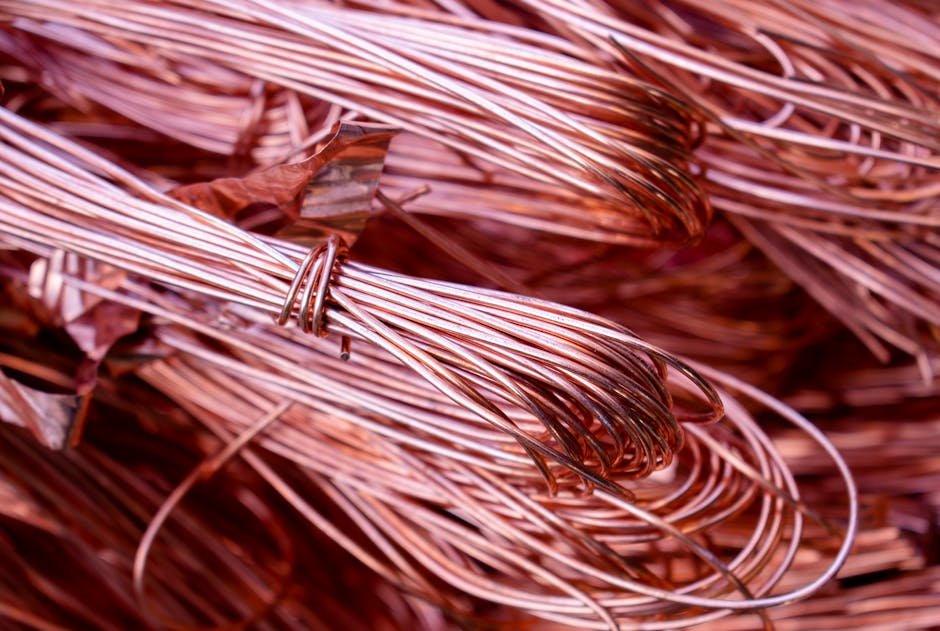

Navigating the complex landscape of copper wire prices requires an understanding of how global commodity markets translate into the cash you receive at the weighbridge. Whether you are a professional electrician, a demolition contractor, or a household recycler, knowing the factors that influence the value of your scrap is the first step toward maximizing your returns. In Australia, the market for copper wire prices is highly dynamic, influenced by both international trade policies and domestic industrial demand. By staying informed about how copper wire prices are calculated, you can time your sales to capture the best value for your materials.
The Fundamentals of Copper Grading and Classification
To understand why your scrap yields a specific price, you must first understand the grading system. Not all scrap is created equal, and the purity of the metal is the single most significant factor in determining its value. When you bring your materials to a facility, they are categorized into specific grades, each with a distinct price point.
- Bare Bright Copper: This is the gold standard of scrap metal. It consists of clean, unalloyed, uncoated, and uninsulated copper wire, typically 16 gauge or thicker. It must be free of any oxidation or debris to qualify for the highest market rates.
- Number 1 Copper: This grade includes copper pipe and heavy copper wire that is clean and free of solder, paint, or other contaminants. While slightly less valuable than bare bright, it remains a premium product.
- Number 2 Copper: This category includes copper that has some level of contamination, such as solder, paint, or light oxidation. It is still highly sought after but fetches a lower price per kilogram than Number 1.
- Insulated Wire: This refers to copper wire that still has its plastic or rubber coating. The value here depends heavily on the ‘recovery rate’—the amount of pure copper that can be extracted from the total weight of the wire.
Understanding these grades is essential when checking bare copper prices, as the difference between a load of bare bright and a load of Number 2 can be significant. Always ensure your scrap is sorted correctly before heading to the yard.
How Global Markets Influence Local Scrap Rates
The Australian scrap industry does not operate in a vacuum. The price you receive is tethered to the London Metal Exchange (LME), the world center for industrial metals trading. When the LME spot price for copper rises, local scrap yards adjust their buy prices accordingly. However, this is not a one-to-one relationship. Several ‘middle’ factors influence the final payout:
- Currency Fluctuations: Since copper is traded globally in US Dollars, the strength of the Australian Dollar (AUD) plays a major role. A weaker AUD can make imported copper more expensive, potentially driving up the value of domestic scrap.
- Manufacturing Demand: Copper is the backbone of the electrical grid, construction, and renewable energy sectors. When these industries are booming, demand for recycled copper skyrockets, pushing prices higher.
- Processing Costs: The cost of energy, labor, and transport to move scrap from your local yard to a refinery is factored into the price. If fuel prices rise, your net return may shrink slightly.
For those looking to stay updated on these shifts, keeping an eye on Scrap Prices is a vital habit. By monitoring the trends, you can identify the best times to sell larger quantities of material.
The Role of Insulation and Cable Scrap Recovery
One of the most common questions from recyclers involves insulated wire. Many people wonder whether they should strip their wire before selling it. The answer depends on the volume and the equipment you have available. Stripping wire can significantly increase the value per kilogram, as you are moving the material from a lower-value ‘insulated’ category to a high-value ‘bare bright’ category.
However, this is labor-intensive. For small amounts, the time spent stripping may not be worth the marginal gain. For large volumes of scrap copper wire prices, investing in a wire stripping machine can pay for itself very quickly. If you choose not to strip, ensure you separate your cables by thickness. ‘High-grade’ cable with a high copper-to-insulation ratio will always fetch a better price than thin, ‘data-grade’ wire which contains more plastic than metal.
Why Copper Recycling is Critical for the Circular Economy
Copper is a ‘forever metal.’ It can be recycled infinitely without losing its chemical or physical properties. This makes copper recycling a cornerstone of the modern circular economy. By choosing to recycle your copper pipe and electrical wire, you are directly reducing the need for destructive open-pit mining, which consumes vast amounts of energy and water.
In Australia, the infrastructure for recycling is robust. Facilities across the country are equipped to process massive volumes of scrap, sorting it through advanced magnetic and optical technology. By utilizing a professional scrap trading platform, you ensure that your materials are handled in an environmentally responsible manner. If you are looking for local options, checking for Scrap Copper Prices Near Me will provide you with a list of reputable, licensed recyclers who adhere to strict environmental standards.
Strategic Tips for Maximizing Your Payout
To get the most out of your scrap, treat it like a business. Here are several expert strategies to increase your profit margins:
- Clean Your Material: Remove non-copper attachments. If you have copper pipe, ensure it is free of brass fittings, steel valves, or heavy solder joints. The cleaner the load, the higher the grade you will be paid for.
- Separate by Grade: Never mix your high-grade bare bright with low-grade insulated wire. If you bring a mixed bin, the yard will often pay you the lower rate for the entire batch.
- Build a Relationship: If you are a regular supplier, talk to the yard manager. High-volume, consistent suppliers often have access to better ‘commercial’ rates than one-off walk-in customers.
- Stay Informed: Use online resources to track Scrap Metal Prices regularly. Knowing the market trend allows you to hold onto your scrap during a price dip and sell when the market recovers.
For those located in major metropolitan areas, visiting the leading Australian scrap trading network can provide you with real-time insights and help you connect with the most competitive buyers in your region.
Safety and Legal Considerations in Scrap Trading
Beyond the financial aspect, it is crucial to handle scrap metal safely and legally. Copper theft is a serious issue that impacts the industry’s reputation. Reputable scrap yards in Australia are required by law to record the details of sellers, including identification, to prevent the trade of stolen goods. Always carry valid ID when visiting a yard. Furthermore, when handling scrap, wear appropriate PPE—gloves, steel-toed boots, and safety glasses—especially when dealing with sharp, cut wire or heavy copper pipes. Safety is not just about avoiding injury; it is about maintaining a professional standard that keeps the recycling industry sustainable and respected.
Future Trends in the Copper Market
Looking ahead, the demand for copper is projected to grow significantly due to the global transition to electric vehicles (EVs) and renewable energy systems. EVs require up to four times more copper than internal combustion engine vehicles, and solar and wind farms are incredibly copper-intensive. This long-term ‘super-cycle’ suggests that the value of scrap copper will remain a critical component of the industrial economy. As a recycler, you are effectively participating in the supply chain for the next generation of green technology. Understanding these macro-trends will help you make better decisions about when to sell and how to manage your scrap inventory over the coming decade.
Advanced Sorting Techniques for Professionals
For those handling large quantities of cable scrap, advanced sorting is the key to profitability. Professional recyclers often use ‘water tables’ or ‘granulators’ to separate the copper from the plastic insulation. If you are a contractor, consider whether your volume justifies the purchase of a small-scale granulator. If not, the most efficient method remains manual sorting by cable gauge. Always group ‘bright’ wire separately from ‘tinned’ wire. Tinned copper, which has a silver-colored coating, is often graded differently than pure copper, and failing to separate it can lead to disputes at the weighbridge. By mastering these nuances, you position yourself as a sophisticated seller rather than a casual one.
The Environmental Impact of Your Scrap
Every kilogram of copper you recycle saves approximately 85% of the energy required to produce copper from virgin ore. This massive energy saving is why the industry is so eager to purchase your scrap. When you recycle, you are reducing carbon emissions and preserving natural landscapes. This is not just a financial transaction; it is a contribution to a more sustainable future. As the global community pushes for lower carbon footprints, the ‘green premium’ on recycled metals is likely to increase, making your scrap even more valuable in the eyes of manufacturers who are under pressure to use recycled content in their products.
Conclusion: Turning Scrap into a Revenue Stream
Maximizing your returns from copper wire requires a combination of market knowledge, proper sorting, and strategic timing. By understanding the grading system, keeping track of global LME fluctuations, and maintaining a clean, sorted inventory, you can transform what many see as ‘trash’ into a consistent revenue stream. Whether you are dealing with small quantities of household electrical wire or large industrial hauls, the principles remain the same: quality and cleanliness equal higher payouts. Stay informed, stay safe, and leverage the resources available through professional scrap trading networks to ensure you are always getting the best possible value for your materials.
Frequently Asked Questions
Why is bare bright copper worth more than other types?
Bare bright copper is considered the highest grade because it is pure, unoxidized, and free of insulation or contaminants. It requires the least amount of processing for refineries to melt it down into new products, making it the most cost-effective scrap for them to purchase.
Should I strip my insulated wire before selling it?
Stripping wire can significantly increase your profit per kilogram by moving the material into a higher grade. However, it is only recommended if you have the time and the right tools, as the labor involved can be extensive for smaller volumes.
How often do scrap copper prices change?
Scrap copper prices are highly volatile and can change daily, or even hourly, depending on the London Metal Exchange (LME) spot price. It is best to check current market rates on the day you plan to visit a scrap yard.
Do I need to bring identification to a scrap yard?
Yes, Australian law requires scrap metal recyclers to verify the identity of sellers to prevent the trade of stolen metals. You must bring a valid government-issued photo ID, such as a driver’s license or passport, to complete a transaction.