
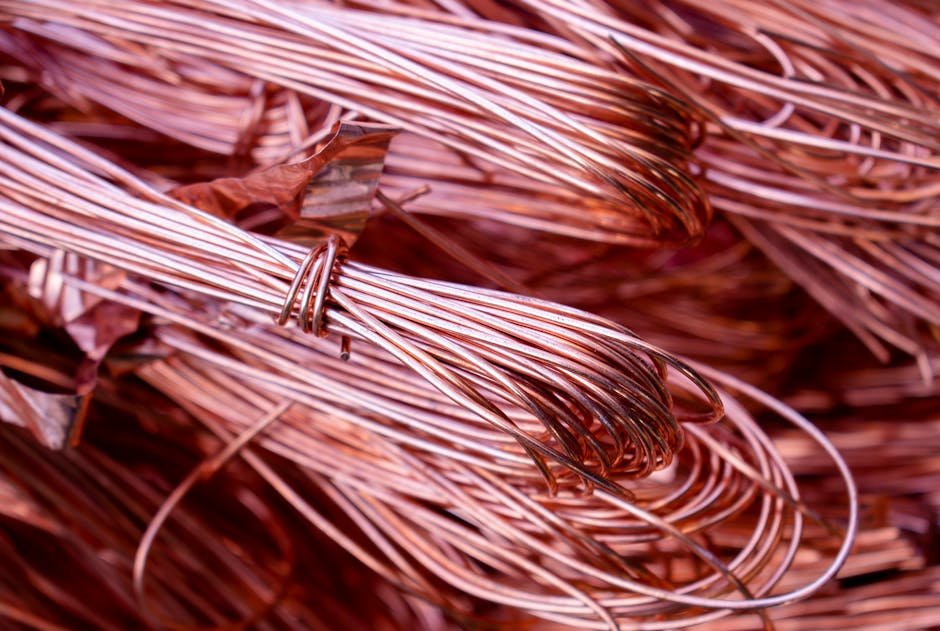

Understanding the current copper price per kg NSW is essential for anyone involved in trades, construction, or scrap metal collection. Because copper is a globally traded commodity, its value is rarely static, shifting in response to international demand, supply chain logistics, and the specific quality of the metal being brought to the yard. Whether you are a professional electrician clearing out job sites or a homeowner with a collection of old plumbing, knowing the market dynamics ensures you receive fair compensation for your Scrap Copper.
How Global Markets Influence Local Copper Prices
The price you see at a local scrap yard in Sydney or regional NSW is not pulled from thin air. It is a derivative of the London Metal Exchange (LME) prices. The LME acts as the primary global hub for non-ferrous metals. When the LME price moves, it creates a ripple effect that travels through international supply chains, eventually hitting Australian shores. However, the price per kg NSW is also heavily influenced by the AUD/USD exchange rate. Since copper is traded in USD, a weaker Australian dollar can sometimes boost the local price, while a stronger dollar might suppress it.
Beyond currency, industrial demand from major manufacturing hubs, particularly in China, plays a massive role. When construction activity surges in Asia, the demand for refined copper spikes, driving up the recycled copper price. Conversely, economic slowdowns can lead to a surplus, causing prices to dip. For those looking to track these fluctuations, checking metal prices today is a daily ritual for savvy scrap dealers. It is also worth noting that the price per copper per pound is often referenced in international reports, so Australian sellers should be comfortable converting these units to kilograms to understand their local yield.
Understanding Copper Grades: Bare Bright vs. Number 2
Not all copper is created equal, and the price you receive at the scale depends entirely on the cleanliness and grade of your material. The highest value is typically assigned to ‘Bare Bright’ copper. This consists of clean, unalloyed, uncoated, and uninsulated copper wire, typically 16-gauge or thicker, that is free of oxidation or contaminants. Because this material can be melted down and reused with minimal processing, it commands the highest price per kg.
On the other end of the spectrum, you have ‘Number 2’ copper. This grade includes copper that has been slightly oxidized, contains solder, or has minor impurities. It is still highly valuable, but it requires extra refining steps at the foundry, which lowers the purchase price. Then there is insulated copper wire, which is priced based on the ‘recovery rate’—the estimated percentage of copper remaining once the plastic or rubber insulation is stripped away. If you are wondering how to maximize your return, checking our guide on how to Sell Copper How To Get The Best Price For Copper Scrap is highly recommended.
The Role of Copper Recycling in the Circular Economy
Copper is one of the few materials on earth that can be recycled infinitely without losing its chemical or physical properties. This makes copper recycling a cornerstone of the modern circular economy. In New South Wales, the recycling industry is highly regulated, ensuring that the processing of these metals is done in an environmentally responsible manner. When you bring your materials to a professional facility, you are not just making money; you are contributing to a sustainable supply chain that reduces the need for destructive mining practices.
The energy required to refine recycled copper is significantly lower than that required to extract virgin ore from the ground. This energy efficiency is a major driver of the industry. As global sustainability targets become more stringent, the demand for high-quality scrap is only expected to increase. By sorting your metals correctly—separating copper pipe from brass, aluminium, or steel—you help recyclers process materials faster, which often leads to better pricing for the seller. If you are ready to offload your materials, use our locator tool to find Scrap Copper Near Me Where To Sell Copper Scrap For The Best Price.
Factors That Affect Your Scrap Copper Payout
Several logistical factors dictate the final amount on your receipt. First and foremost is the volume. Larger quantities often allow for better negotiation, as they reduce the overhead costs of logistics and processing for the scrap yard. Second is the cleanliness of the material. If you bring in copper pipe with paint, plastic fittings, or heavy corrosion, the yard must spend time and labour cleaning it. This cost is deducted from your payout. Always aim to deliver ‘clean’ material to get the best possible return.
Another factor is the Scrap Trade platform’s commitment to transparency. We believe that sellers should have access to accurate, real-time data. Market volatility means that a price quoted on Monday might be different by Friday. Always confirm current rates with your local yard before making the trip. Furthermore, the distance you travel and the transport costs involved should be factored into your overall profit margin. It rarely makes sense to drive long distances for a small amount of low-grade scrap, so efficiency in collection is key.
The Logistics of Selling Copper in NSW
Navigating the scrap market in NSW requires a bit of strategy. For large-scale commercial contractors, having a regular pickup schedule or a dedicated skip bin service is common. For smaller operators or DIY renovators, the goal is to accumulate enough high-quality scrap to make a trip to the yard worthwhile. When you arrive at a facility, expect to have your material weighed on certified scales. These scales are subject to strict government calibration standards to ensure consumer protection.
Always ensure you have valid identification, as NSW scrap metal laws require dealers to record the details of sellers to prevent the trade of stolen goods. This is a positive for the industry, as it legitimizes the trade and discourages illegal dumping. When you are prepared with clean, sorted materials and the necessary documentation, the transaction process is smooth and fast. Remember that the copper price per kg NSW is a reflection of the total market value at that specific moment in time.
Future Trends in the Copper Market
The future of copper looks exceptionally bright due to the global transition toward renewable energy. Electric vehicles (EVs) require significantly more copper than traditional internal combustion engines, due to the extensive wiring and battery components. Similarly, wind turbines, solar panels, and smart grid infrastructure are all copper-intensive technologies. This structural shift in the global economy suggests that long-term demand for copper will remain robust, which is a positive indicator for anyone holding or collecting scrap.
We are also seeing advancements in automated sorting technology at recycling facilities. These machines use X-ray fluorescence (XRF) and optical sensors to identify and separate copper grades with incredible precision. While this technology is expensive, it improves the quality of the output, allowing recyclers to pay more for high-grade scrap. As a seller, your role is to provide the raw material in a way that is as ‘clean’ as possible, which helps these facilities operate at peak efficiency. Keeping an eye on the copper price per kg NSW trends will help you decide when to hold onto your scrap and when to sell for maximum profit.
Practical Tips for Maximizing Your Scrap Value
To truly master the art of scrap metal trading, you need to treat it like a business. Start by investing in a reliable magnet. Copper is non-magnetic, so if your ‘copper’ attracts a magnet, it is likely steel or iron-plated. This simple test saves you time and ensures you don’t waste energy hauling worthless metal. Next, focus on storage. Copper that is kept dry and indoors retains its value much better than copper left out in the rain, which will oxidize and drop in grade from ‘bare bright’ to ‘number 2’.
Build a relationship with your local scrap yard. Dealers appreciate sellers who bring in clean, well-sorted loads. If you are a consistent supplier, you may be able to negotiate a slightly better rate than the ‘walk-in’ price. Finally, stay informed. Use digital tools and industry news to keep track of the copper price per kg NSW so that you are never caught off guard by sudden market drops. By staying proactive, you transform a simple waste-disposal task into a profitable revenue stream.
Conclusion: The Value of Informed Recycling
The copper market is a dynamic and essential part of the Australian economy. Whether you are dealing with industrial quantities or a small collection of household items, the principles of value remain the same: quality, cleanliness, and market awareness. By understanding how the copper price per kg NSW is determined, you empower yourself to make better decisions about when and where to sell your scrap. Remember to prioritize safety, comply with local regulations, and always aim to recycle responsibly. By following these guidelines, you ensure that your contribution to the circular economy is both profitable and sustainable. For the latest updates and to find a reputable buyer, always check the current market rates before heading to the yard.
Frequently Asked Questions
How often does the copper price per kg NSW change?
The copper price per kg NSW can fluctuate daily, and sometimes even hourly, based on global market activity on the London Metal Exchange and currency exchange rate movements.
What is the difference between bare bright and number 2 copper?
Bare bright copper is clean, unalloyed, and uncoated copper wire, which fetches the highest price. Number 2 copper includes wire or pipe that has oxidation, solder, or other minor impurities, resulting in a lower price.
Do I need identification to sell scrap copper in NSW?
Yes, under NSW regulations, scrap metal dealers are required to verify the identity of sellers to ensure the legitimacy of the materials being traded.
How can I get the best price for my copper scrap?
To get the best price, ensure your copper is clean, free of insulation, and sorted by grade. Building a relationship with a local yard and monitoring the market to sell when prices are high will also maximize your returns.