
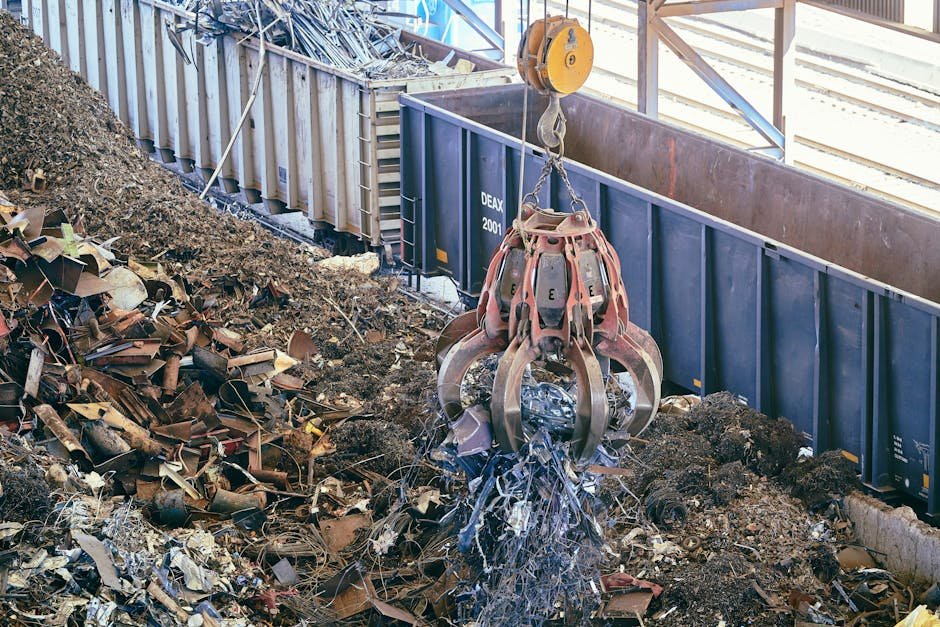

Navigating the complex world of metal recycle prices is essential for anyone looking to turn waste into wealth while contributing to a circular economy. Whether you are a tradesperson, a demolition contractor, or a household owner, understanding how the value of your scrap is determined can significantly impact your bottom line. In Australia, the scrap industry is a vital component of the national infrastructure, turning discarded materials into valuable raw inputs for manufacturing. By staying informed about metal recycle prices, you ensure that you are not just clearing space, but participating in a high-value industrial process. This guide provides an authoritative look at the market, the logistics of recycling, and how you can maximize your returns.
Understanding How Current Scrap Prices Are Determined
The global commodities market is the primary driver behind the figures you see on a daily basis. When you check Metal Prices, you are looking at the result of complex international trading. Australia, as a major exporter of raw minerals, is deeply integrated into these global fluctuations. The metal recycle prices you receive at a local depot are a reflection of the London Metal Exchange (LME) rates, adjusted for local currency strength, logistics, and processing costs.
Several factors dictate the price per kg or price per tonne you will be quoted. Firstly, purity is paramount. A clean load of copper pipe will always command a higher market rate than mixed, contaminated wiring. Secondly, volume matters; larger quantities often allow for better economies of scale, which recyclers pass on to the seller. Thirdly, local demand in Australia plays a role. If a domestic foundry is currently ramping up production of aluminium components, local demand for scrap aluminium will spike, potentially leading to better local payouts.
To stay ahead, it is wise to monitor Scrap Metal Prices regularly. These rates are not static; they shift based on geopolitical stability, mining output, and the health of the construction sector. When you are ready to sell, it is helpful to look for Scrap Metal Prices Near Me to compare what different facilities in your region are offering for specific grades of metal.
The Recycling Process: From Scrap to Commodity
The journey of scrap metal is a fascinating industrial cycle. Once you drop off your materials at a professional metal recycling facility, the transformation begins. The process typically involves several rigorous stages: collection, sorting, shredding, melting, and purification. Sorting is the most critical stage for the seller. Using magnets to separate ferrous metals (those containing iron) from non-ferrous metals (like copper, brass, and aluminium) is the first step. Non-ferrous metals are generally more valuable due to their scarcity and the energy required to mine them from scratch.
After sorting, the metal is often shredded into small pieces to increase the surface-to-volume ratio, making it easier to melt. The melting process occurs in massive furnaces, where the metal is purified to remove impurities or “slag.” The resulting molten metal is then cast into ingots or billets, which are sold back to manufacturers to create new products. By choosing to recycle, you are effectively reducing the need for destructive mining practices, which is a major environmental win. When searching for metal recyclers near me prices, remember that you are supporting a process that saves up to 95% of the energy compared to producing new metal from virgin ore.
Drop-off vs. Pickup Service: Logistics for Every Need
Deciding how to get your scrap to the recycler is a matter of volume and convenience. A drop off is often the most straightforward method for smaller loads. Most recycling centres have drive-in weighbridges where you can unload your material, get it weighed, and receive payment on the spot. This is ideal for tradies who have a small amount of copper, brass, or stainless steel left over from a job.
However, for large-scale demolition or industrial projects, a pickup service is far more efficient. Professional recyclers offer bin services where they drop off a skip or an industrial container at your site. Once full, they collect it, weigh it at their facility, and process the payment. This eliminates the need for multiple trips and heavy lifting. If you are dealing with specific materials like ss scrap metal prices, it is worth discussing the logistics with your recycler beforehand, as stainless steel can be bulky and may require specialized handling equipment.
Environmental Impact and the Circular Economy
The environmental case for recycling metal is overwhelming. Every tonne of recycled steel saves over a tonne of iron ore, 630 kg of coal, and 55 kg of limestone. By participating in the scrap market, you are directly contributing to the reduction of carbon emissions and the preservation of natural landscapes. Australia’s commitment to the circular economy relies heavily on the efficiency of its scrap metal industry. When you sell your scrap, you are not just getting a price per kg; you are closing the loop on a product’s lifecycle.
Factors Affecting Market Rates
Beyond the basic supply and demand, several secondary factors influence the market rate. Transportation costs are a major component. If the global price of oil rises, the cost of trucking scrap metal to ports increases, which often results in a slight decrease in the price paid to the supplier. Additionally, currency exchange rates are critical. Since most metals are traded in USD, a weaker Australian Dollar can sometimes lead to higher payouts for domestic sellers because the exported value of that metal becomes more attractive on the international stage.
Preparing Your Scrap for Maximum Value
To maximize your return, preparation is key. Here are some expert tips: 1. Clean your metal: Remove plastic, rubber, or wood attachments. A “clean” load is always worth more than a “dirty” load. 2. Sort by type: Keep copper separate from aluminium and brass. Never mix your metals, as this forces the recycler to do the work, which will lower your price per tonne. 3. Know your grades: Understand the difference between bright copper, heavy copper, and light copper. Each has a distinct price point. 4. Maintain records: If you are a business, keep records of your sales to track your waste management efficiency over time.
The Future of Metal Recycling in Australia
The industry is rapidly evolving with the integration of AI and advanced sorting technologies. Optical sorters and X-ray fluorescence (XRF) analyzers are becoming standard in modern facilities, allowing for near-perfect purity levels in recycled metals. This technological leap means that recycled metal is increasingly seen as a high-quality alternative to virgin material, ensuring that metal recycle prices remain competitive for years to come. As we move toward a greener future, the role of the individual and the business in the recycling chain has never been more important. By utilizing established platforms to track rates and finding reliable local recyclers, you ensure that your contribution to the economy is both profitable and sustainable.
Conclusion
The metal recycling market is a cornerstone of the Australian economy, offering significant financial and environmental rewards. By understanding the factors that influence metal recycle prices—such as purity, volume, and global market trends—you can make informed decisions that benefit your business and the planet. Whether you are opting for a convenient drop-off or a comprehensive pickup service, the key to success lies in preparation and partnership with reputable recyclers. Keep your materials sorted, stay updated on the latest market rates, and continue to support the circular economy to ensure that our resources are managed responsibly for generations to come.
Frequently Asked Questions
Why do metal recycle prices change so often?
Prices change daily because they are tied to global commodity markets, which fluctuate based on international supply, demand, and currency exchange rates. Local factors like transport costs and domestic industrial demand also play a role in the final price per kg.
How can I get the best price for my scrap metal?
The best way to get a higher price is to sort your metals by type (e.g., separating copper from aluminium) and ensure they are clean of any contaminants like plastic, wood, or dirt. Larger volumes also typically command better rates.
Is it better to drop off scrap or use a pickup service?
Drop-off is usually best for smaller, manageable quantities, while a pickup service is ideal for large-scale demolition or industrial projects. Pickup services often involve the use of skip bins, which makes managing high-volume waste significantly easier.
What is the difference between ferrous and non-ferrous metal?
Ferrous metals contain iron and are magnetic, such as steel and iron. Non-ferrous metals do not contain iron and include valuable materials like copper, brass, aluminium, and lead, which typically fetch higher prices due to their scarcity and recycling value.