
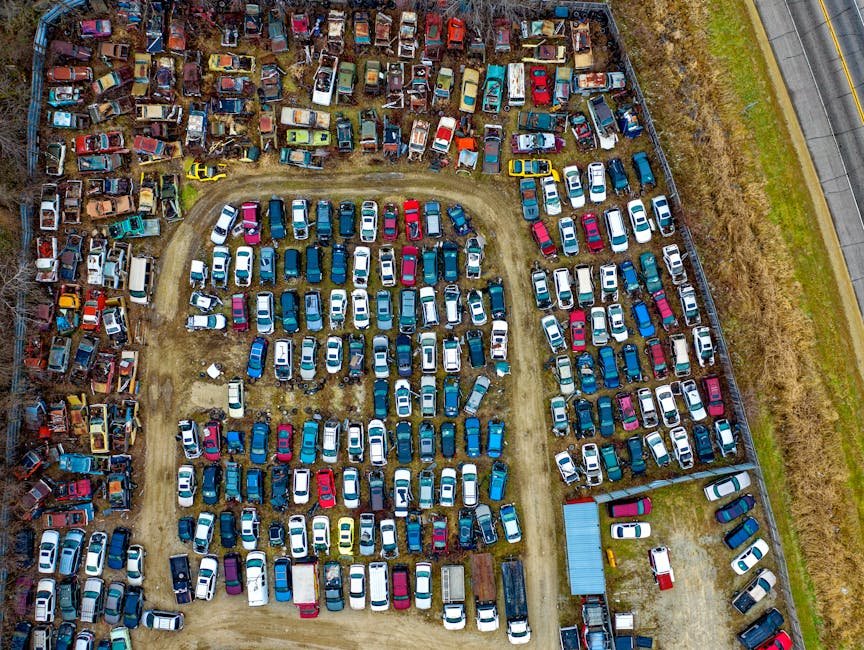

Navigating the operations of a guam scrapyard requires a deep understanding of how global metal markets function. Whether you are a commercial contractor, a demolition expert, or an individual looking to clear out industrial waste, knowing the nuances of metal grading is essential for maximizing value and ensuring environmental compliance. As the industry evolves, platforms like our global scrap metal trading platform are bridging the gap between local collection and international demand, ensuring that materials are handled with the highest level of professionalism and efficiency.
Understanding the Role of a Guam Scrapyard in the Circular Economy
In the Pacific region, the logistics of metal recycling are unique due to the island’s geographic isolation. A professional guam scrapyard acts as the primary collection point where raw materials are consolidated before being shipped to larger processing facilities. This infrastructure is vital for the local economy, as it turns what would otherwise be discarded waste into a valuable commodity. When you visit a local recycling depot, you are participating in a global supply chain that emphasizes resource efficiency.
The process begins with the identification of metal types. Metals are generally categorized into two main groups: ferrous and non-ferrous. Ferrous metals, such as steel and iron, are magnetic and are typically used in construction and heavy machinery. Non-ferrous metals, including copper, aluminium, brass, and stainless steel, are highly prized for their corrosion resistance and conductivity. A high-quality metal recycler will have the equipment—such as optical emission spectrometers—to accurately grade these materials, ensuring that the seller receives fair market value based on current global pricing.
Furthermore, the industry is constantly innovating. For example, Scraptrade Recognises Sands Industries With The Australian Industrial Innovation Award 2025, highlighting how technological advancements are improving the sorting and processing of complex scrap materials. By adopting these innovations, local yards can reduce contamination rates and increase the purity of their output, which is a significant advantage in the competitive international scrap market.
Common Grades of Scrap Metal and Their Market Value
To succeed in the scrap business, one must master the art of grading. Each grade of metal carries a different price point, which fluctuates based on supply, demand, and purity. In a typical guam scrapyard, you will encounter several standard classifications:
- Copper: Often divided into ‘Bare Bright’ (clean, unalloyed wire), #1 Copper (clean, unburnt), and #2 Copper (slightly oxidized or with minor attachments). Copper is consistently the highest-value non-ferrous metal.
- Aluminium: Grades range from ‘Extrusion’ (window frames) to ‘Cast’ (engine parts) and ‘Sheet’ (siding or roofing). Aluminium is lightweight and infinitely recyclable, making it a staple of the industry.
- Brass: Usually categorized as ‘Yellow Brass’ or ‘Red Brass’. These alloys, containing copper and zinc, are common in plumbing fixtures and industrial valves.
- Ferrous Scrap: This includes ‘HMS 1 & 2’ (Heavy Melting Steel), which is the industry standard for structural steel. Other grades include ‘Prepared Steel’ (cut to specific sizes) and ‘Light Iron’ (appliances and thin-gauge materials).
Understanding these grades allows sellers to prepare their scrap properly. For instance, removing plastic insulation from copper wire or separating steel bolts from aluminium components can significantly increase the grade and the payout. Professional metal recyclers prefer clean, sorted material because it requires less processing time, which they often reward with higher rates.
The Environmental Benefits of Industrial Metal Recycling
The environmental impact of recycling metal is profound. When we recycle metal, we significantly reduce the need for virgin ore extraction, which is energy-intensive and environmentally destructive. Mining operations require massive land disturbance, water usage, and chemical processing that can lead to habitat loss and water pollution. By utilizing a recycling depot, you are effectively reducing the carbon footprint of the manufacturing sector.
Energy savings are particularly notable. Recycling aluminium, for example, uses approximately 95% less energy than producing it from bauxite ore. Similarly, recycling steel saves about 75% of the energy compared to iron ore production. Beyond energy, recycling reduces the volume of waste sent to landfills. Many items, such as old appliances, car parts, and construction debris, are not biodegradable and can leach harmful chemicals into the soil and groundwater if left in a landfill. A responsible scrapyard ensures that these materials are processed in accordance with environmental regulations, preventing hazardous substances from entering the ecosystem.
The shift toward a circular economy is supported by international initiatives. Users interested in how these systems work on a global scale can read more at グローバル廃金属取引プラットフォームが正式サ. This document outlines the standards and protocols that modern scrap trading platforms follow to ensure transparency and sustainability across borders.
Practical Tips for Sellers: How to Prepare Your Scrap
Whether you are a walk-in customer or a commercial supplier, preparation is the key to a smooth transaction at the scrapyard. First, always sort your materials before arriving. Mixing different types of metal, such as aluminium and steel, will result in a lower ‘mixed’ price, which is significantly less than the price for sorted, clean material.
Second, ensure your scrap is free of contaminants. This includes removing non-metallic attachments like wood, plastic, rubber, or glass. For example, if you are bringing in electric motors, be aware that they are often graded differently than clean copper wire because of the internal steel and copper content. If you are unsure about a specific item, call the yard ahead of time or check their website for a list of accepted materials.
Third, keep safety in mind. Wear heavy-duty gloves and steel-toed boots when handling scrap. Metal edges can be extremely sharp, and heavy loads can shift unexpectedly. If you are dealing with large volumes, consider using a professional metal recycling partner that can provide bins or collection services, streamlining the process and ensuring safety compliance.
Finally, stay informed about market trends. Metal prices change daily based on the London Metal Exchange (LME). By keeping an eye on the market, you can time your sales to coincide with price peaks. Many professional platforms, such as منصة تجارة الخردة العالمية تُطلق خدما, provide real-time updates and market insights that can help you make better-informed decisions about when to sell your inventory.
The Logistics of Modern Metal Trading
Modern scrap trading is no longer just about local truckloads; it is a sophisticated, data-driven industry. The integration of digital platforms has allowed for better tracking of shipments, more accurate grading, and faster payment processes. When a scrapyard connects to a global trading network, it gains access to a wider pool of buyers, which in turn leads to more competitive pricing for local suppliers.
This digital transformation also improves transparency. Buyers can verify the origin of the scrap, ensuring that it was sourced ethically and legally. This is particularly important in today’s regulatory environment, where companies are increasingly held accountable for their supply chain sustainability. By utilizing verified trading platforms, both buyers and sellers can mitigate risks associated with fraud and quality disputes.
Furthermore, the logistics of shipping scrap from an island location involve complex coordination. Shipping containers must be loaded efficiently to maximize weight capacity and minimize costs. Expert scrapyards use heavy-duty balers and shears to compress materials, ensuring that every container is optimized for transport. This attention to detail is what separates a world-class operation from a basic collection site.
Future Trends in the Scrap Metal Industry
The future of the scrap industry is tied to the global push for decarbonization. As manufacturing sectors strive to lower their Scope 3 emissions, the demand for recycled metal is expected to skyrocket. Recycled metal is the most efficient way to reduce the embodied carbon of new products, making it a critical component of the green transition.
We are also seeing a rise in ‘urban mining’, a concept where cities are viewed as mines of valuable resources. Instead of digging into the earth, we are recovering metals from discarded electronics, infrastructure, and consumer goods. This shift requires more advanced sorting technologies, such as AI-powered robotic sorters and X-ray fluorescence (XRF) scanners, which can identify metal alloys with near-perfect accuracy.
For those involved in the scrap trade in Guam, these trends represent a significant opportunity. By investing in better sorting equipment and adopting digital trading tools, local businesses can position themselves as key players in the Pacific supply chain. The goal is to move beyond simple collection and toward high-value processing, ensuring that the metals recovered in the region are of the highest quality for global manufacturers.
Safety and Compliance Standards
Operating a scrapyard involves significant safety and environmental responsibilities. Compliance with local and international regulations is not optional; it is the foundation of a reputable business. This includes proper containment of hazardous materials (such as oils from automotive scrap), dust control, and noise management to minimize the impact on the surrounding community.
Workers must be trained in the safe operation of heavy machinery, including forklifts, excavators, and hydraulic shears. Regular safety audits and equipment maintenance are essential to prevent accidents. Furthermore, accurate record-keeping is required for tracking the source of scrap, which helps prevent the trade of stolen goods—a major focus for law enforcement and industry associations alike.
When a facility maintains high safety and compliance standards, it builds trust with the community and local authorities. This trust is the most valuable asset a scrapyard can possess, as it ensures long-term operational viability and community support. Choosing to work with a facility that prioritizes these aspects is a smart move for any seller, as it guarantees that your materials are being handled responsibly and legally.
Conclusion: Choosing the Right Partner
Whether you are a professional contractor or a residential seller, the choice of where to take your scrap matters. A reputable guam scrapyard should be transparent about its pricing, professional in its handling of materials, and committed to environmental stewardship. By understanding the grades of metal, preparing your materials correctly, and staying updated on market trends through reliable platforms, you can maximize your returns while contributing to a more sustainable future.
The metal recycling industry is a vital pillar of the modern global economy. By choosing to recycle, you are helping to conserve natural resources, save energy, and reduce the environmental burden of waste. As the industry continues to innovate and adopt new technologies, the role of the local scrap collector will only become more important. Stay connected, stay informed, and continue to support the circular economy by recycling your metals with trusted, professional partners.
Related: グローバル廃金属取引プラットフォームが正式サ
Frequently Asked Questions
What items are typically accepted at a guam scrapyard?
Most scrapyards accept a wide range of ferrous and non-ferrous metals, including copper wiring, aluminium cans, steel beams, brass fittings, lead-acid batteries, and old appliances. It is always best to call ahead to confirm if they accept specific items like large machinery or hazardous materials.
How can I get the best price for my scrap metal?
To get the best price, ensure your metal is clean, free of contaminants like plastic or wood, and sorted by type. Keeping up with global metal market trends and selling when prices are high can also significantly increase your payout.
Is it necessary to make an appointment to visit a scrapyard?
Many scrapyards offer walk-in services for small quantities of scrap. However, if you are bringing in a large industrial load or require specific services like bin drop-offs, it is highly recommended to call in advance to coordinate logistics.
Why is it important to recycle scrap metal instead of throwing it away?
Recycling metal saves significant amounts of energy compared to mining virgin ore and helps preserve natural resources. It also prevents heavy metals and other pollutants from leaching into the environment from landfills, supporting a circular economy.