
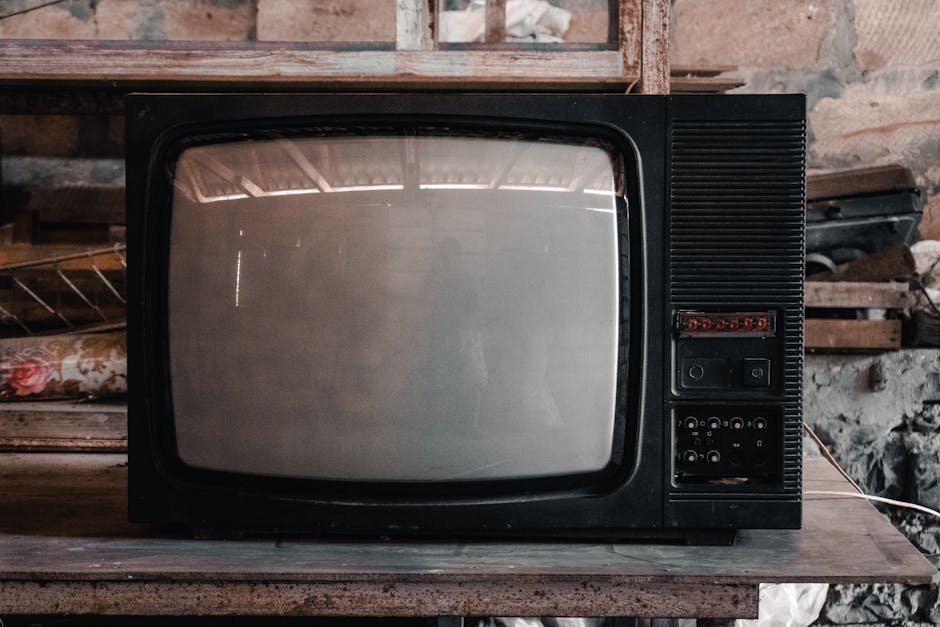

When you decide to sell old TV for cash, you are not just clearing out clutter; you are participating in a circular economy that prioritizes resource recovery. In Australia, the management of electronic waste (e-waste) is becoming increasingly sophisticated, and understanding the intrinsic value of the materials inside your outdated electronics is key to maximizing your return. Whether you have a heavy CRT monitor from the 90s or a flat-screen LED that has seen better days, there are specific protocols to follow to ensure you get the best price and handle the disposal responsibly.
Understanding the Value of Your Old TV
Before you attempt to sell old TV for cash, it is essential to distinguish between a functional electronic device and a scrap commodity. If your television is still operational, your best path to profit is the secondary market. Platforms like Facebook Marketplace, Gumtree, or local community boards are ideal for selling working units. However, if the screen is cracked, the internal board is fried, or it is an obsolete model, you are looking at scrap value.
Televisions are complex assemblies of glass, plastic, copper wiring, and circuit boards. A professional scrap metal trading platform can help you identify if your specific model contains high-value components. Many people mistakenly throw these items into general waste, missing out on the opportunity to get paid for the precious metals contained within the printed circuit boards (PCBs). By choosing to Sell Scrap, you are contributing to a sustainable future while putting money back in your pocket.
Where to Sell: Marketplaces vs. Scrap Dealers
The decision of where to sell depends entirely on the condition of the unit. If you are asking where to sell a working unit, private sales are superior. However, for non-functional units, you need a specialized facility. Finding a reputable Australian scrap metal recycling expert is the most efficient way to handle bulk e-waste. If you have multiple items, you might also look to sell old appliances at the same time to maximize your trip to the yard.
When dealing with scrap dealers, always call ahead. Not every yard accepts e-waste, as it requires specific downstream processing to handle hazardous materials like lead or mercury found in older CRT glass. For those in specific regions, you might be looking for services to sell old car cremorne or other heavy scrap; often, these facilities are equipped to handle diverse waste streams including televisions.
How to Get the Best Price for Your Electronics
Achieving the best price requires preparation. First, remove any external cables—these are often pure copper and can be sold separately at a higher rate than the TV itself. Second, if you are dealing with a scrap yard, ensure you have a clean load. Mixed loads of plastic and metal often fetch lower prices because the dealer has to account for the labor cost of separation.
If you are looking to sell old TV for cash, timing also matters. Commodity prices for copper and gold fluctuate. By staying informed on local market trends, you can ensure you are getting a fair valuation. Use tools like the Sell Scrap Metal Near Me In 2026 directory to find high-paying yards that prioritize transparency in their weighing and grading processes.
Documentation and Legal Requirements
In Australia, the recycling industry is heavily regulated to prevent illegal dumping. When you visit a scrap yard, you will almost certainly be required to provide identification. This is a standard procedure under the Second-hand Dealers and Pawnbrokers Act in various states. You should carry a valid driver’s license or passport. This ensures that the transaction is recorded, which protects both you and the dealer from potential issues regarding stolen property.
Furthermore, if you are a business owner disposing of commercial quantities of e-waste, you may need to provide a waste transfer note or a certificate of destruction. This is particularly important if your old TVs contain hard drives or proprietary data storage components. Always ask the dealer if they provide data destruction services if you are concerned about privacy.
The Role of E-Waste in the Scrap Industry
The scrap industry is the unsung hero of environmental conservation. By recycling televisions, we recover rare earth elements, gold, silver, and palladium. These materials are finite, and the energy required to mine them from the earth is significantly higher than the energy required to reclaim them from a television. When you bring your scrap to a professional, you are effectively acting as a resource miner.
For those who are also interested in automotive recycling, you might find it useful to Sell My Catalytic Converter to the same facility. Combining your scrap drop-offs saves time and fuel, making the entire process more profitable for you. Modern scrap yards are becoming high-tech hubs, utilizing X-ray fluorescence (XRF) analyzers to determine the exact metal composition of your items, ensuring you get the most accurate payout possible.
Safety and Environmental Considerations
Handling old televisions, particularly CRT models, comes with risks. The glass in these units can contain lead, and there are often vacuum tubes that can implode if mishandled. Never attempt to dismantle a television unless you are trained to do so. The safest way to handle these items is to keep them intact and transport them directly to a licensed facility.
By choosing a professional recycler, you ensure that the hazardous components—such as leaded glass, phosphor coatings, and brominated flame retardants—are managed according to Australian EPA guidelines. This is the responsible way to dispose of legacy technology, preventing toxic substances from leaching into our groundwater in landfill sites.
Preparing Your TV for Sale or Recycling
Preparation is the difference between a quick transaction and a wasted trip. Follow this checklist before heading out:
- Assess functionality: If it turns on, clean it up and list it on a marketplace. If it is broken, proceed to scrap.
- Data security: If your TV is a ‘Smart TV’, perform a factory reset to wipe your Netflix, YouTube, or other account credentials.
- Cable management: Cut off the power cords. These are high-value copper items that should be weighed separately.
- Transport: Secure the TV in your vehicle. If it is a large CRT, use moving blankets to prevent the glass from shattering during transit.
- Call ahead: Confirm the yard is open and currently accepting e-waste.
By following these steps, you demonstrate that you are a serious seller, which often leads to better service and potentially better pricing from the yard operators. They appreciate customers who understand the value of their materials and arrive prepared.
Future Trends in Electronic Recycling
As we look toward 2026 and beyond, the technology used to process scrap is evolving. Automated sorting lines and advanced chemical leaching processes are making it easier to extract value from even the most complex electronics. This means that in the future, the value of your old TV might increase as the efficiency of recycling technologies improves. Keeping your electronics out of the bin and in the recycling loop is a long-term investment in the sustainability of our resources.
We are currently seeing a shift where manufacturers are taking more responsibility for the end-of-life cycle of their products. However, the private scrap market remains the most immediate way for individuals to monetize their old electronics. Whether you are clearing out a shed or upgrading your home entertainment system, the scrap metal industry provides a reliable, legal, and profitable avenue for disposing of your unwanted goods.
Conclusion
Selling your old television is a smart way to reclaim value from items that would otherwise gather dust or end up in a landfill. By understanding the difference between resale and scrap, preparing your materials correctly, and choosing a reputable dealer, you can turn your e-waste into a worthwhile payday. Remember to always prioritize safety, handle your data with care, and utilize the professional resources available to you. The scrap metal industry in Australia is robust and ready to help you turn your old technology into cash today.
Frequently Asked Questions
Is it worth selling a broken TV for scrap?
Yes, while the payout for a single TV is modest, it is better than paying a disposal fee. You are paid for the copper, aluminum, and circuit boards contained within the unit.
Do I need to remove the power cord before selling my TV as scrap?
It is highly recommended. Power cords are made of high-quality copper and can often be sold at a higher price per kilogram than the television itself.
What documents do I need to bring to a scrap yard?
You must bring a valid government-issued photo ID, such as a driver’s license or passport. This is a legal requirement for most scrap metal transactions in Australia.
Can I sell a CRT (tube) TV for cash?
Yes, but be aware that many yards have specific requirements for CRT disposal due to the lead content in the glass. Always call the yard beforehand to ensure they accept them.