
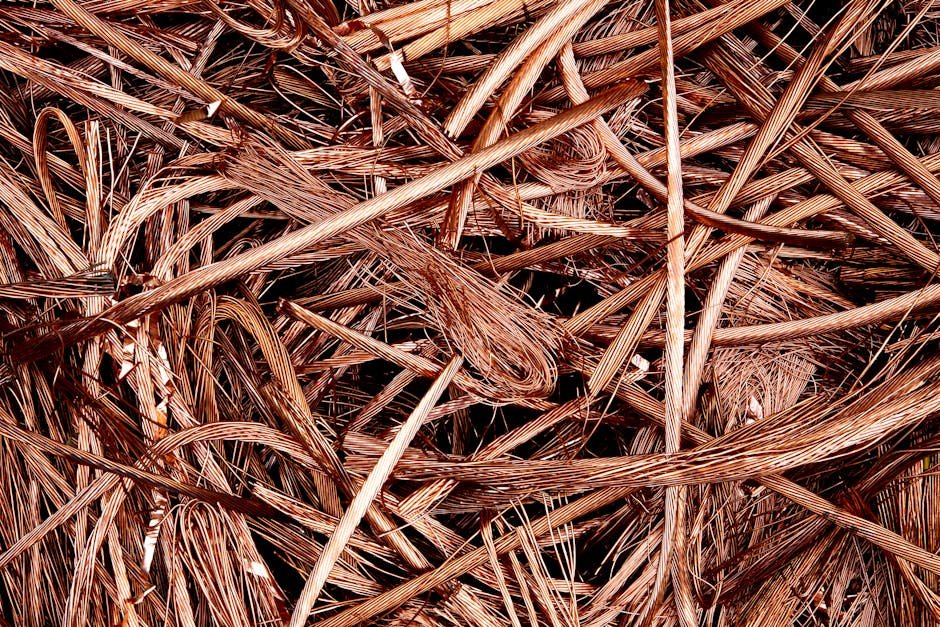

When it comes to professional scrap copper recycling Sydney Olympic Park, understanding the nuances of the metal market is essential for both commercial contractors and private individuals. As a hub of development and infrastructure, the Greater Sydney region generates significant quantities of high-quality copper waste. Whether you are a demolition contractor or a homeowner clearing out renovations, knowing how to categorize your materials is the first step toward getting the best value for your scrap. This guide serves as an authoritative resource for navigating the local recycling landscape in New South Wales.
Understanding Copper Grades: What You Are Selling
The value of your scrap is dictated primarily by its purity and the level of processing required to refine it. In the industry, we classify copper into specific categories to ensure fair pricing. Understanding these grades is the most effective way to ensure you are not leaving money on the table.
Bare Bright Copper: This is the gold standard of scrap. It consists of clean, unalloyed copper wire, stripped of any insulation, paint, or oxidation. It must be at least 16 gauge in thickness. Because it requires no further processing before being melted down, it commands the highest copper price per kg.
Number 1 Copper: This grade includes clean copper pipe and tubing that is free of fittings, insulation, solder, or paint. It is essentially high-quality, unalloyed material that has been used in plumbing or electrical applications and has been kept clean during the removal process.
Number 2 Copper: This is a lower-grade material that may contain some impurities. It often includes copper wire that still has some oxidation, or copper pipe that has solder joints, brass fittings, or paint attached. Because it requires more labor to refine, it is priced lower than Number 1 or Bare Bright.
Copper Wire (Insulated): This is perhaps the most common scrap found in construction. It is categorized by the percentage of actual metal versus the weight of the plastic insulation. High-yield wire is highly sought after, and if you are dealing with large volumes, it is worth exploring Where To Sell Bulk Scrap Copper For Maximum Profit to ensure your facility or site receives the best market rates.
The Logistics of Scrap Copper Recycling Sydney Olympic Park
Logistics can often be the biggest hurdle for businesses operating in high-density areas. If you are working on a project that produces significant scrap, you need a reliable partner. For those specifically looking for a sydney olympic park scrap copper pick up, our platform coordinates with local logistics experts to ensure that your site remains clear and compliant with safety regulations. We understand that time is money in the construction industry, and having a scheduled, professional pickup service is vital for maintaining site efficiency.
When you prepare your material for collection, ensure it is sorted by grade. Mixing grades can lead to the entire load being valued at the lowest common denominator. For those managing large-scale infrastructure projects, we recommend joining a Copper Scrap Group to stay updated on market shifts and logistical best practices. Effective site management not only improves safety but also maximizes the financial return on your recycled assets.
How the Recycling Process Works
The journey from your scrap pile to a new product is a fascinating example of the circular economy. Once your copper is collected, it undergoes a multi-stage process to return it to a raw state. First, the material is weighed and inspected. This is where accurate grading is critical. The scrap is then shredded or chopped, especially in the case of insulated copper wire, to separate the metal from the plastic or rubber coatings.
Following separation, the copper is cleaned of any remaining contaminants, such as iron, aluminum, or plastics. It is then melted in high-temperature furnaces. Once molten, the copper is cast into ingots or billets, which are then shipped to manufacturers to be drawn into new wire, rolled into sheets, or cast into components. By participating in scrap copper recycling Sydney Olympic Park, you are directly contributing to a system that reduces the need for energy-intensive mining. Recycling copper requires up to 85% less energy than producing it from virgin ore, making it one of the most environmentally impactful recycling activities available today.
Maximizing Your Returns: Expert Tips
Getting the best price is not just about the weight of your metal; it is about how you present it. If you want to know how to optimize your haul, read our guide on how to Sell Copper How To Get The Best Price For Copper Scrap. The strategy is simple: keep it clean, keep it dry, and keep it separated. Contaminants like dirt, oil, and non-copper attachments act as “dead weight” and can lead to downgrading your load.
If you are a commercial contractor, consider investing in a wire stripping machine if you generate large volumes of insulated cabling. The labor cost of stripping the wire is often far outweighed by the price difference between insulated wire and Bare Bright copper. Additionally, always check the current market trends. Copper prices fluctuate daily based on global supply and demand, and timing your sales to match market peaks can result in significant financial gains over the course of a year.
Environmental Benefits and Sustainability
The environmental impact of recycling cannot be overstated. Copper is a 100% recyclable metal, meaning it can be melted down and repurposed infinitely without any loss in quality or performance. In the context of New South Wales, where sustainability targets are increasingly stringent, scrap metal recycling is a key pillar of the state’s waste management strategy. By choosing to recycle rather than sending copper to landfill, you are preventing hazardous materials from leaching into the soil and reducing the massive carbon footprint associated with primary copper mining.
Our commitment at Scrap Trade Australia is to provide the infrastructure necessary to make this process seamless for everyone. We believe that by simplifying the logistics of recycling, we can encourage more businesses to adopt circular economy practices. Whether you need a one-off scrap copper pick up sydney olympic park or a long-term contract for ongoing site waste management, we provide the tools and connections to ensure your scrap is handled ethically and profitably.
Navigating the Market in Greater Sydney
The Greater Sydney market is unique due to its dense urban environment and the high volume of infrastructure renewal projects. Navigating this landscape requires a partner who understands local regulations and the specific needs of businesses in the region. When you partner with Scrap Trade, you are gaining access to a network of verified buyers and collectors who prioritize transparency and fair pricing. We provide comprehensive data on market trends, helping you make informed decisions about when to hold and when to sell your inventory.
Furthermore, we emphasize the importance of safety. Handling scrap metal involves heavy lifting and sharp edges. Always ensure that your staff is equipped with appropriate PPE and that your site is organized to prevent accidents. Proper storage of scrap—keeping it under cover to prevent oxidation and away from high-traffic areas—is a hallmark of a professional operation. By treating your scrap as a valuable commodity rather than waste, you shift your business model toward greater sustainability and profitability.
Future Trends in Copper Recycling
As the world transitions toward renewable energy, the demand for copper is set to skyrocket. Copper is a critical component in electric vehicles, wind turbines, and solar panels. This surge in demand is putting pressure on global supply chains, making recycled copper an increasingly vital resource. The industry is seeing a shift toward more advanced sorting technologies, including AI-driven optical sorters that can distinguish between different alloys with near-perfect accuracy. As these technologies become more accessible, we expect to see even higher recovery rates for scrap materials.
For those involved in scrap copper recycling Sydney Olympic Park, this means the value of your scrap is likely to remain high in the long term. Staying connected with industry leaders and utilizing digital platforms to track your inventory will be essential for capitalizing on these market shifts. We are committed to leading this transition by providing the most up-to-date information and the most efficient logistics network in New South Wales.
Conclusion: Taking Action
Recycling copper is more than just a way to make extra cash; it is a fundamental responsibility for any business or individual operating in the modern construction and industrial sectors. By understanding the grades, optimizing your logistical processes, and partnering with the right experts, you can turn your scrap pile into a significant revenue stream while supporting a greener future for Australia. Whether you are looking to clear a construction site or simply want to dispose of household materials responsibly, the resources are available to make the process simple and rewarding. Start by reviewing your current scrap management plan and reaching out to professional services to ensure you are getting the best possible value for your copper. The circular economy starts with you, and every kilogram of recycled copper counts toward a more sustainable and prosperous future for the entire Greater Sydney region.
Frequently Asked Questions
What is the most valuable type of scrap copper?
Bare bright copper is the most valuable grade. It consists of clean, unalloyed, and uncoated copper wire that is at least 16 gauge in thickness.
How can I get the best price for my scrap copper in Sydney?
To get the best price, ensure your copper is properly sorted by grade, free of contaminants like insulation or solder, and dry. Timing your sales to align with market peaks and using professional collection services can also maximize your profit.
Why is it important to strip insulation from copper wire?
Stripping insulation increases the value of the copper by moving it from a lower-value ‘insulated wire’ category to a higher-value ‘bare bright’ or ‘number 1’ category. While it requires labor, the price difference usually justifies the effort for large volumes.
Does copper recycling really help the environment?
Yes, recycling copper is highly beneficial because it requires up to 85% less energy than mining and refining virgin copper ore. It also reduces landfill waste and preserves natural resources for future generations.