
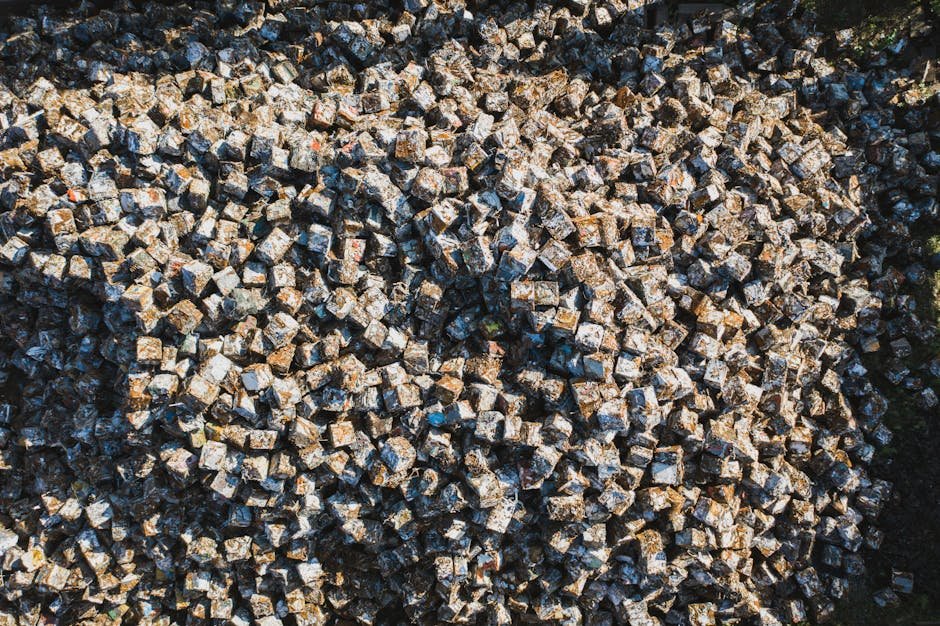

When you decide to sell tungsten scrap, you are participating in one of the most critical sectors of the industrial circular economy. Tungsten, often referred to as wolfram, is a rare, high-density metal with an exceptionally high melting point, making it indispensable in aerospace, mining, and manufacturing. Because of its scarcity and the energy-intensive nature of mining virgin ore, secondary recycling is not just profitable—it is an environmental imperative. Whether you are a machine shop owner holding onto carbide inserts or an industrial contractor with high-speed steel waste, understanding the market dynamics is the first step to maximizing your returns.
Understanding Tungsten Grades and Market Value
Not all tungsten is created equal, and the price you receive is heavily dependent on the specific grade and the percentage of tungsten content. In the scrap industry, tungsten is generally categorized into two main types: pure tungsten and tungsten carbide. Pure tungsten is often found in electrical contacts, heating elements, and vacuum furnace parts. It is prized for its extreme purity and is relatively straightforward to process.
Tungsten carbide, however, is the most common form found in the scrap market. It is a composite material, usually consisting of tungsten carbide particles bonded together with a cobalt binder. This material is widely used in cutting tools, drill bits, and mining equipment. When you prepare to sell tungsten scrap, you must separate these items from other metals. Contamination is the primary reason for price degradation. If your carbide inserts are mixed with steel shanks, brass, or plastic, the value drops significantly because the recycling facility must invest more labor and energy into refining the batch.
To get the best price, you should aim to categorize your scrap by its cobalt content. High-cobalt grades are often treated differently than low-cobalt grades. If you are unsure about your material, a professional scrap dealer will often use an XRF (X-ray fluorescence) analyzer to provide an instant, accurate reading of the metal composition. This technology has revolutionized the industry, allowing sellers to get paid based on the exact elemental breakdown of their load rather than a generic estimate.
How to Find Where to Sell Tungsten Scrap
Finding a reliable partner is essential for consistent, fair payouts. You want a facility that understands the complexities of heavy metals and has the infrastructure to process them safely. When looking for where to sell your materials, prioritize companies that offer transparency in their weighing and grading processes. You can start by visiting Sell Scrap to understand the standard procedures for industrial metal disposal.
The digital age has simplified the process of finding local buyers. If you are searching for a facility, you might look for Sell Scrap Metal Near Me In 2026 to find updated listings of licensed recyclers. It is important to avoid “middlemen” who simply aggregate scrap and resell it, as this adds an unnecessary layer of cost that eats into your profit margins. Instead, look for direct-to-mill buyers or large-scale processing plants that handle the smelting or chemical reclamation process themselves.
Furthermore, if your business also generates other types of waste, you may want to consolidate your efforts. For example, if you have copper components, you should research where to sell scrap copper near me to manage all your metal streams at once. If your facility generates electrical waste, knowing How To Sell Battery Scrap Legally is equally important to maintain compliance with Australian environmental regulations. Finally, for those dealing with cabling and electrical infrastructure, knowing how to properly sell scrap wire can add a significant revenue stream to your business operations.
The Recycling Process: From Scrap to Commodity
The recycling of tungsten is a sophisticated chemical and physical process. Unlike iron or aluminium, which are often melted down and recast, tungsten carbide is typically processed via two main methods: the zinc process or the chemical process. In the zinc process, the scrap is heated in a molten zinc bath, which causes the cobalt binder to expand and break the structure of the carbide. The zinc is then distilled off, leaving behind a porous mass that can be crushed and milled back into high-quality powder.
The chemical process, often used for more contaminated or complex scrap, involves dissolving the tungsten in a chemical solution to separate it from the cobalt and other impurities. The tungsten is then precipitated out, purified, and converted back into ammonium paratungstate (APT), which is the standard raw material for producing new tungsten products. This process is highly efficient, allowing nearly 100% of the tungsten to be recovered without losing its physical properties.
When you sell tungsten scrap to a reputable recycler, you are feeding this circular loop. Because tungsten is a critical raw material, the industry is constantly seeking ways to improve recovery rates. By providing clean, sorted scrap, you ensure that the recycler can use the most efficient processing route, which in turn allows them to offer you a more competitive price. This is why the preparation phase—sorting, cleaning, and removing non-tungsten attachments—is the most valuable investment of your time.
Environmental Benefits and Regulatory Compliance
Recycling tungsten is one of the most environmentally impactful activities in the metal industry. Mining for tungsten involves heavy excavation and the use of harsh chemicals, which can cause soil erosion, groundwater contamination, and massive carbon footprints. By recycling existing tungsten, we reduce the need for new mining operations, preserve natural landscapes, and save significant amounts of energy. The production of tungsten from recycled scrap requires approximately 70% less energy than producing it from virgin ore.
In Australia, environmental regulations regarding the handling of industrial waste are strict. As a seller, you have a responsibility to ensure that your scrap is handled by a facility that follows EPA guidelines. When you work with a professional, you are not just getting cash for scrap; you are ensuring that your waste is managed according to the highest environmental standards. This includes the proper disposal of the cobalt binder, which is a heavy metal that requires specialized handling to prevent environmental toxicity.
Documentation is a key aspect of this compliance. When you sell large quantities, you should receive a certificate of recycling or a formal weigh-bridge ticket. This documentation is essential for your own ESG (Environmental, Social, and Governance) reporting. Many modern businesses are now required to track their waste streams, and providing proof that your tungsten was recycled rather than sent to a landfill is a powerful way to demonstrate your commitment to sustainability. You can find more information about sustainable metal management at the leading scrap trading platform or by visiting the official Australian scrap trade portal for industry news and updates.
Maximizing Your Payout: Practical Tips for Sellers
To ensure you get paid the absolute maximum for your tungsten, follow these expert strategies. First, accumulate your scrap. Small, sporadic loads are often subject to lower pricing due to the administrative costs of processing. If you have a large stockpile, you are in a much stronger position to negotiate. Second, keep your scrap dry and free of oil. Industrial lubricants and cutting fluids can add significant weight to your load, and recyclers will often deduct the weight of these contaminants or charge a cleaning fee.
Third, develop a relationship with a consistent buyer. If you are a regular supplier of high-quality, clean tungsten, you become a preferred client. Dealers are often willing to offer better rates to clients who provide consistent, high-quality material because it reduces their own risk and processing time. Finally, stay informed about the market. Tungsten prices are influenced by global demand, particularly in the automotive and mining sectors. If you notice a spike in global industrial activity, it is often a good time to move your inventory.
Always ask for a breakdown of the pricing. A transparent dealer will be able to explain how they arrived at their offer, including the current market price for tungsten, the percentage of recovery they expect, and any deductions for processing. If a dealer is unwilling to explain their pricing, it is a red flag. Always prioritize transparency over the highest quoted price, as some buyers may quote high to get you in the door and then apply hidden fees upon arrival.
The Future of Tungsten Recycling in Australia
The Australian market for tungsten is evolving. With the rise of advanced manufacturing and the push for domestic supply chain security, there is an increasing focus on localized recycling. We are seeing more investment in domestic processing facilities that can handle complex scrap, which is great news for local businesses. This means shorter transport distances and a more resilient supply chain.
As we move toward 2026 and beyond, the integration of digital tracking for scrap metal will become standard. Blockchain-based tracking or simple digital inventory management systems will allow sellers to prove the provenance of their scrap, which can increase its value in a market that is increasingly concerned with ethical sourcing. By staying ahead of these trends, you position your business as a leader in the circular economy.
In conclusion, selling your tungsten scrap is a strategic business decision that requires knowledge, organization, and the right partnerships. By following the guidelines outlined in this guide—sorting your materials, choosing the right dealer, and maintaining proper documentation—you can maximize your revenue while contributing to a more sustainable future. Remember that the market rewards quality and consistency. Keep your scrap clean, keep your records accurate, and stay connected with the experts who can help you navigate the complexities of the metal trading industry.
Frequently Asked Questions
- How do I know if my scrap is actually tungsten? Tungsten is extremely dense and heavy compared to steel or aluminium. It is also non-magnetic in its pure form, though some tungsten carbide alloys may show a slight magnetic pull due to the cobalt binder.
- Does the condition of the tungsten scrap affect the price? Yes, cleanliness is critical. Contaminants like steel, brass, or plastic reduce the value, as the recycler must perform extra labor to separate these materials before the tungsten can be processed.
- What documentation should I receive when I sell? You should receive a weigh-bridge ticket and a payment receipt, and for larger commercial transactions, a certificate of recycling or a waste disposal manifest is standard practice for environmental compliance.
- Why do tungsten prices fluctuate? Tungsten prices are driven by global supply and demand, particularly in industries like aerospace, oil and gas drilling, and automotive manufacturing. Geopolitical factors affecting mining regions also play a significant role in market volatility.
Frequently Asked Questions
How do I know if my scrap is actually tungsten?
Tungsten is extremely dense and heavy compared to steel or aluminium. It is also non-magnetic in its pure form, though some tungsten carbide alloys may show a slight magnetic pull due to the cobalt binder.
Does the condition of the tungsten scrap affect the price?
Yes, cleanliness is critical. Contaminants like steel, brass, or plastic reduce the value, as the recycler must perform extra labor to separate these materials before the tungsten can be processed.
What documentation should I receive when I sell?
You should receive a weigh-bridge ticket and a payment receipt, and for larger commercial transactions, a certificate of recycling or a waste disposal manifest is standard practice for environmental compliance.
Why do tungsten prices fluctuate?
Tungsten prices are driven by global supply and demand, particularly in industries like aerospace, oil and gas drilling, and automotive manufacturing. Geopolitical factors affecting mining regions also play a significant role in market volatility.