
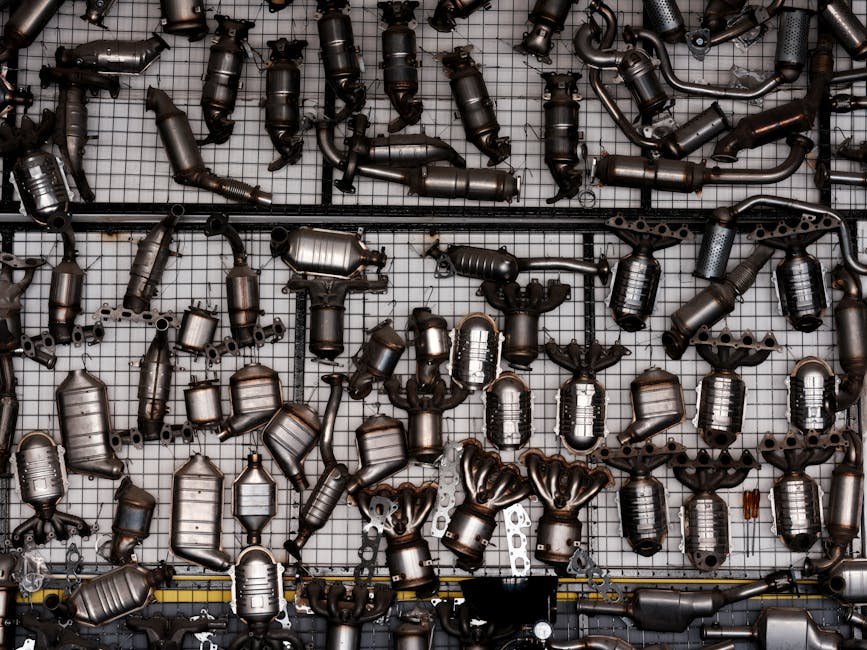

When you look to recycle catalytic converters in Iceland, you are participating in a critical global supply chain that balances automotive maintenance with environmental stewardship. As the automotive industry shifts toward more sustainable practices, the recovery of precious materials embedded within exhaust systems has become an essential economic activity. Whether you are a workshop owner in Reykjavik or a private individual managing end-of-life vehicle components, understanding the nuances of the recovery process is vital for both regulatory compliance and financial gain.
The Value of Precious Metals in Catalytic Converters
The core value of any cat converter lies in its honeycomb-like ceramic structure, which is coated with a washcoat containing a mixture of platinum group metals (PGMs). These metals—specifically platinum, palladium, and rhodium—are rare and highly valued for their ability to catalyze harmful emissions into less toxic gases. Because these metals are finite, the mining process is incredibly resource-intensive and environmentally taxing. Recycling these components is the most efficient way to maintain a sustainable supply chain for these essential elements.
For those looking to understand the market valuation of these components, our Sell Platinum Scrap Jewelry Catalytic Converters Industrial 2026 Guide provides deep insights into how these commodities are priced globally. The concentration of these metals varies significantly based on the vehicle’s make, model, and the year of manufacture. Modern emission standards have necessitated higher loadings of rhodium, for instance, which has seen dramatic price volatility in recent years. Understanding these trends is the first step in maximizing your returns when you decide to recycle catalytic converters in Iceland.
The Technical Recycling Process
The recycling process is a sophisticated industrial operation that goes far beyond simple metal stripping. Once a unit is collected, it undergoes a rigorous sequence of steps to ensure maximum recovery. Initially, the steel housing is removed, and the ceramic monolith is extracted. This monolith is then crushed into a fine powder, which undergoes chemical analysis to determine the exact concentration of PGMs present.
Following the sampling phase, the powder is subjected to smelting or chemical leaching. Smelting involves heating the material to extreme temperatures to separate the precious metals from the ceramic substrate. This requires specialized infrastructure that adheres to strict emission controls to prevent secondary pollution. If you are interested in how global leaders manage these high-tech facilities, you can explore the Ecotrade Group Catalytic Converters standards. Through their methodology, the purity of the recovered metals is ensured, allowing them to be reintroduced into the manufacturing cycle for new automotive parts or industrial applications.
Logistics: Drop-off vs. Pickup Service
In Iceland, the logistics of handling scrap metal are dictated by the country’s geography and environmental regulations. For businesses, choosing between a drop-off model and a pickup service depends on volume and frequency. A drop-off at a local recycling centre is often the most cost-effective solution for small-scale operators. It allows for immediate weighing and verification, providing a transparent transaction process.
Conversely, for larger workshops or automotive dismantling facilities, a professional pickup service is usually preferred. This service streamlines the collection of bulk units, ensuring that hazardous materials are transported according to local safety protocols. When choosing a partner, it is crucial to verify their handling certifications. If you are comparing regional standards, you might look at how they recycle catalytic converters in greece, where similar EU-aligned regulations often dictate the handling of hazardous automotive scrap. Always ensure that the logistics partner provides a clear manifest of the units collected to maintain a proper audit trail for your business.
Environmental Impact and Sustainability
The environmental benefit of recycling these components cannot be overstated. By reclaiming platinum, palladium, and rhodium, we significantly reduce the need for destructive open-pit mining. Mining for these metals is energy-intensive and often results in significant water pollution and habitat destruction. Every kilogram of metal recovered through recycling represents a massive reduction in the carbon footprint associated with primary metal production.
Furthermore, the proper disposal of these units prevents the heavy metals and ceramic dust from entering Icelandic landfills. Catalytic converters contain materials that, if left to degrade in the environment, could contaminate soil and groundwater. By engaging in formal recycling, you are contributing to a circular economy. If you are tracking the financial performance of your scrap assets, keeping an eye on current metal recycle prices is essential for ensuring that the economic incentive remains aligned with your environmental goals. For more information on international scrap trading, visit the Scrap Trade platform for global market updates.
Maximizing Profitability and Safety
Profitability in the scrap metal industry is not just about volume; it is about knowledge. Many sellers lose money by failing to categorize their units correctly. Different converters have different metal loadings, and failing to identify the specific code on the housing can lead to significant undervaluation. Before you initiate a sale, read our comprehensive guide on Selling Catalytic Converters How To Maximize Your Profit Safely to learn how to identify, store, and transport your scrap to ensure you receive the highest possible payout.
Safety is equally paramount. Catalytic converters can contain harmful residues, and the physical act of removing them from a vehicle requires proper personal protective equipment (PPE). Always work in a well-ventilated area and use the correct tools to avoid damaging the ceramic core, as the value of the unit drops significantly if the monolith is pulverized or contaminated with foreign debris. For those operating in the Australian market, you can find further regional expertise at Scrap Trade Australia to compare best practices across different jurisdictions.
Future Trends in Automotive Recycling
As we look toward 2026 and beyond, the market for catalytic converter recycling is evolving. The transition to electric vehicles (EVs) will eventually change the composition of the automotive scrap market. However, the existing fleet of internal combustion engine vehicles will remain on the road for decades, ensuring that the demand for PGM recovery remains robust. Furthermore, the technology used to extract these metals is becoming more efficient, allowing for higher recovery rates from lower-grade converters.
Innovation in hydrometallurgical processing is also promising, as it requires less energy than traditional smelting. This will likely become the standard for facilities that prioritize low-carbon operations. Companies that invest in these advanced technologies will be the ones that set the standard for the industry. Staying informed about these technological shifts will help you remain competitive, whether you are a buyer, seller, or recycler in the Icelandic market.
Regulatory Compliance in Iceland
Iceland maintains strict environmental regulations to protect its unique and fragile ecosystem. Anyone involved in the scrap metal business must adhere to the Waste Management Act. This includes the proper documentation of hazardous waste, which covers spent catalytic converters. Failure to comply with these regulations can result in heavy fines and the loss of operating licenses.
When you recycle catalytic converters in Iceland, ensure that your chosen facility provides a certificate of destruction or a formal receipt that acknowledges the material has been processed according to environmental standards. This documentation is not just a legal requirement; it is a mark of a professional operation that values sustainability. By maintaining high standards of compliance, you protect your business reputation and contribute to the overall health of the Icelandic environment.
Conclusion
The decision to recycle catalytic converters in Iceland is a smart move that benefits your bottom line and the planet. By understanding the value of platinum group metals, utilizing proper logistics, and staying informed about market prices, you can turn automotive waste into a valuable resource. Whether you are a small workshop or a large-scale recycler, the principles of transparency, safety, and compliance remain the cornerstones of a successful business. Use the resources provided in this guide to navigate the complexities of the market, and always prioritize partners who demonstrate a commitment to both economic and environmental excellence.
Frequently Asked Questions
Why are catalytic converters worth money?
Catalytic converters contain precious platinum group metals like platinum, palladium, and rhodium. These rare metals are used to reduce vehicle emissions and are highly valuable for industrial reuse.
How do I know the value of my catalytic converter?
The value is determined by the specific serial number on the converter, which corresponds to the amount of precious metals inside. You should use a professional scrap buyer’s database to look up your unit’s code for an accurate quote.
Is it legal to recycle catalytic converters in Iceland?
Yes, it is legal and encouraged, provided you follow the national Waste Management Act. You must work with certified facilities that follow environmental regulations for handling hazardous automotive components.
What is the difference between drop-off and pickup for scrap metal?
Drop-off is typically for smaller quantities and allows for immediate weighing and payment at a local facility. Pickup services are designed for high-volume commercial clients to streamline logistics and ensure safe transport of hazardous materials.