
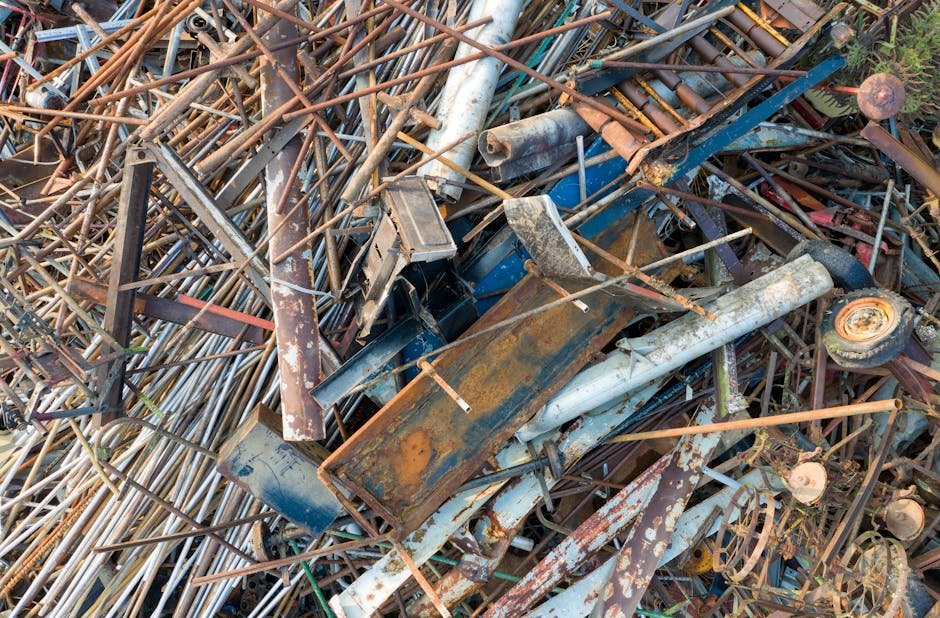

When it comes to scrap metals recycling Derrimut, understanding the lifecycle of metal is essential for both industrial suppliers and individual collectors. As a key industrial hub in Melbourne’s west, Derrimut serves as a vital node in the circular economy, connecting local manufacturing waste with high-demand global markets. Whether you are managing demolition debris or clearing out a workshop, knowing how to categorize and process your materials is the first step toward environmental stewardship and financial gain.
The Fundamentals of Scrap Metal Classification
To navigate the industry effectively, one must distinguish between the two primary categories: ferrous and non-ferrous metals. Ferrous metals contain iron and are magnetic, whereas non-ferrous metals do not contain iron and are generally more valuable due to their resistance to corrosion and high conductivity. Understanding these distinctions is crucial when searching for Scrap Metal Recycling Near Me services, as processing facilities often have specific equipment for each type.
Ferrous metals include steel, carbon steel, alloy steel, and cast iron. These are frequently found in large quantities in construction and automotive industries. Because they are abundant, their market value is lower per kilogram compared to non-ferrous metals, but they are recycled in massive volumes. Non-ferrous metals, conversely, include copper, aluminium, brass, lead, and stainless steel. Copper, in particular, is a high-value commodity. If you are looking for specialized services, you might find that scrap copper recycling panania processes follow similar rigorous standards to those we champion in the western suburbs.
Properly sorting your scrap before arrival at a facility in Derrimut can significantly increase your payout. Mixing metals often results in a lower grade classification, as the facility must invest additional time and energy into separation. By keeping your aluminium separate from your steel and your insulated cables separate from bare copper, you ensure that you receive the highest possible market rate for your materials.
How the Recycling Process Works in Derrimut
The recycling journey begins the moment a material is identified as scrap. Once collected, the material undergoes a multi-stage process designed to purify the metal for re-smelting. This process is highly technical and requires advanced machinery. First, the scrap is weighed to determine the base value. Following weighing, the material undergoes a thorough inspection to ensure it is free from hazardous contaminants, such as PCBs, asbestos, or unspent pressurized canisters.
After inspection, the metal is shredded or sheared to reduce its volume and increase its surface area for melting. Shredding is particularly effective for large appliances and vehicles. Powerful magnets are then used to separate ferrous metals from the mix, while eddy current separators are employed to eject non-ferrous materials. This high-tech approach ensures that nearly every gram of metal is recovered. For those interested in regional variations, it is worth noting that scrap metals recycling tottenham facilities utilize similar advanced sorting technologies to maintain the integrity of the supply chain.
Once sorted, the metals are baled or compacted into dense blocks for transport to refineries. At the refinery, the metal is melted in massive furnaces. The resulting molten metal is then cast into ingots or billets, which are sold back to manufacturers to create new products, ranging from beverage cans to structural beams for new skyscrapers.
Environmental Benefits of Metal Recycling
The environmental impact of recycling cannot be overstated. Mining virgin ore is an energy-intensive and ecologically destructive process that involves stripping the earth, consuming massive amounts of water, and releasing greenhouse gases. By contrast, recycling scrap metal uses a fraction of the energy required to produce metal from primary sources. For instance, recycling aluminium saves approximately 95% of the energy required to produce it from bauxite ore.
Beyond energy savings, recycling reduces the need for landfill space. Metals that are discarded in general waste can leach toxic substances into the soil and groundwater over time. By diverting these materials into the recycling stream, we protect our local ecosystems in Derrimut and beyond. Furthermore, the recycling industry is a major driver of the circular economy, reducing the carbon footprint of the manufacturing sector. When you choose to recycle, you are directly participating in a global effort to conserve natural resources for future generations. For a detailed breakdown of how to engage with this industry, consult Allied Scrap Metal Your Guide To Selling And Recycling Scrap Metals.
Understanding Market Fluctuations and Pricing
The price of scrap metal is rarely static. It is influenced by a variety of global factors, including the London Metal Exchange (LME) prices, currency exchange rates, and global demand from industrial giants like China and India. As an expert in scrap metals recycling Derrimut, we advise clients to monitor these trends if they are holding large quantities of inventory. Strategic timing can make a significant difference in the total return on investment.
Local factors also play a role. Transport costs, processing capacity in Victoria, and local supply levels can cause price variations between different regions. It is helpful to understand the distinction between the operational models of various companies, as outlined in our guide on Scrap Trading Vs Recycling Business. Trading focuses on the movement of commodities, while recycling focuses on the transformation of waste into raw material. Knowing which service you need will ensure you are dealing with the right partner for your specific goals.
To get the best price, always ensure your metal is as clean as possible. This means removing plastic attachments, rubber seals, and wood from your scrap. A clean load of copper pipe is worth significantly more than one filled with soldering residue or plastic connectors. Reliability is also a factor; facilities are more likely to offer competitive rates to regular, professional suppliers who provide consistent, high-quality material.
Safety and Compliance in Metal Recycling
Safety is the cornerstone of the recycling industry. Handling heavy metals and sharp objects carries inherent risks, and professional facilities in Derrimut adhere to strict Occupational Health and Safety (OHS) standards. When visiting a recycling site, always wear appropriate personal protective equipment (PPE), including high-visibility vests, steel-capped boots, and gloves. Never attempt to handle hazardous materials without proper training and containment protocols.
Compliance with environmental regulations is equally important. Reputable recyclers must be licensed to handle specific types of waste, particularly those that may contain contaminants. This ensures that the recycling process does not inadvertently cause environmental harm. By choosing a certified recycler, you ensure that your materials are handled in accordance with Victorian environmental protection laws. You can find more information about industry standards at Scrap Trade or visit Scrap Trade Australia for comprehensive industry updates and resources.
The Future of Recycling in Derrimut
The future of scrap metals recycling Derrimut is bright, driven by technological innovation and a growing societal commitment to sustainability. We are seeing a rise in automated sorting technologies, such as X-ray fluorescence (XRF) and laser-induced breakdown spectroscopy (LIBS), which allow for the precise identification of alloy compositions. These technologies are making it easier to recycle complex metal alloys that were previously considered “unrecyclable” or too costly to process.
Furthermore, the shift toward a more circular economy is encouraging manufacturers to design products with disassembly in mind. This “design for recycling” philosophy will make it easier for recyclers to recover valuable materials, reducing waste and increasing the efficiency of the entire supply chain. As Derrimut continues to grow as an industrial hub, the integration of smart recycling infrastructure will be vital to maintaining its competitive edge while minimizing its ecological footprint.
Ultimately, the success of the recycling industry depends on the participation of everyone, from individual households to large-scale industrial operations. By educating ourselves on the value of scrap and the processes involved in its recovery, we can all contribute to a more sustainable and prosperous future. Whether you are a small business owner or a local resident, your contribution to the recycling stream matters.
Practical Tips for Maximizing Scrap Value
If you want to maximize your returns, follow these professional tips. First, start a collection system at your site. Use clearly labeled bins for different types of metal to prevent cross-contamination. Second, stay informed about the market. If you have large quantities of copper or aluminium, tracking the LME can help you decide when to sell. Third, build a relationship with your local recycler. They can often provide advice on how to prepare your scrap to meet the highest grade requirements.
Avoid the temptation to include non-metal items in your scrap loads. While it might seem like a convenient way to dispose of rubbish, it often leads to your entire load being downgraded or rejected. Focus on quality, consistency, and clear communication with your recycling partner. By treating your scrap as a valuable commodity rather than waste, you will see a direct improvement in your financial returns and a decrease in your environmental impact.
Conclusion
Recycling is more than just a disposal method; it is a vital component of the modern industrial economy. In Derrimut, the scrap metal industry serves as a bridge between waste and production, turning yesterday’s debris into tomorrow’s infrastructure. By understanding the grades of scrap, the complexities of the recycling process, and the broader environmental benefits, you are better equipped to make informed decisions that benefit both your bottom line and the planet. Whether you are looking to clear out your workshop or manage industrial-scale waste, the professional recycling network in Victoria is ready to support your efforts. Remember that every kilogram of metal recycled is a step toward a more sustainable future, reducing the need for virgin mining and conserving the precious resources of our world.
Frequently Asked Questions
What is the difference between ferrous and non-ferrous metals?
Ferrous metals contain iron and are magnetic, such as steel and iron. Non-ferrous metals do not contain iron and include valuable materials like copper, aluminium, and brass, which are generally more resistant to corrosion.
How can I get the best price for my scrap metal?
To maximize your returns, ensure your scrap is clean and free of contaminants like plastic or wood. Sorting your metals by type before arriving at the facility will also help you secure the highest grade and price.
Why is recycling metal better for the environment than mining?
Recycling metal consumes significantly less energy than extracting and refining virgin ore. For example, recycling aluminium saves up to 95% of the energy required compared to producing it from primary bauxite.
What should I avoid putting in my scrap metal load?
Avoid including non-metal debris, hazardous materials like asbestos or pressurized gas cylinders, and mixed materials that are difficult to separate. These contaminants can lead to your load being rejected or downgraded.