
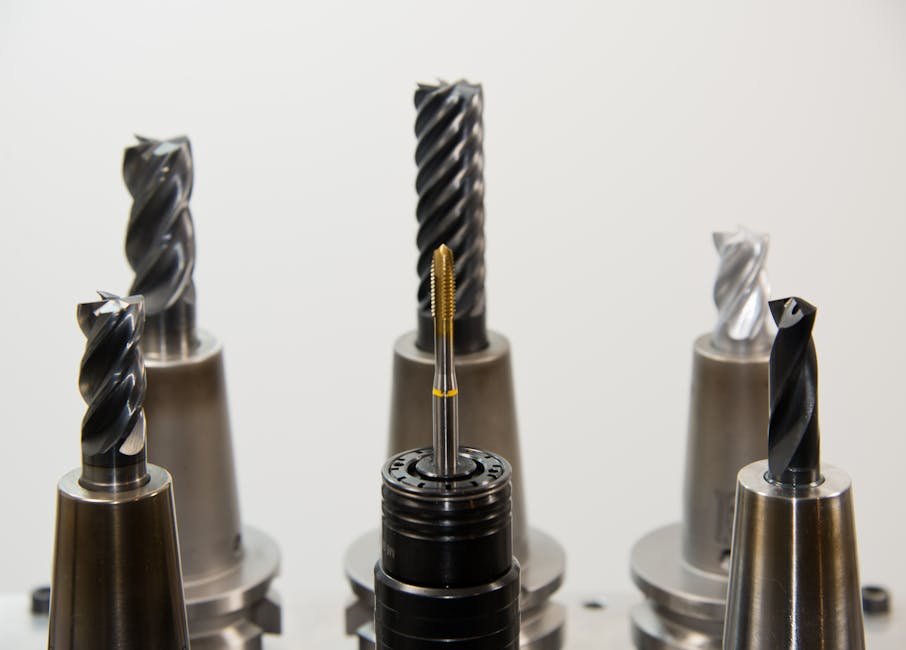

Understanding the scrap price for carbide inserts is essential for businesses and individuals looking to maximize the value of their industrial waste. Carbide, or tungsten carbide, is a critical material in machining, mining, and drilling operations. Because it contains high-value metals like tungsten and cobalt, it is considered a premium scrap commodity. Unlike common metals, the valuation of carbide is highly specialized, requiring an understanding of global commodity trends and material purity levels.
The Economics of Carbide: How Prices Are Set
The market for tungsten carbide is complex and closely tied to global manufacturing demand. When you research the current scrap price for carbide inserts, you are essentially tracking the underlying cost of raw tungsten ore and refined cobalt. These metals are critical for the aerospace, automotive, and defense industries. When demand for new cutting tools is high, the demand for recycled carbide increases, pushing up the price per kg.
Refiners and recycling facilities determine their buy prices based on the ‘contained metal’ value. They analyze the batch to determine the percentage of tungsten carbide versus binders like cobalt or nickel. If you are involved in industrial manufacturing, you likely deal with significant quantities of these inserts. It is vital to stay updated on Scrap Price Forecast Guide trends to ensure you are selling at the peak of the market. Prices are rarely static; they adjust daily based on the London Metal Exchange (LME) and other global benchmarks.
Furthermore, the logistics of transport play a role. If you are looking at large-scale operations, you must understand How To Price Scrap For Export Markets, as international shipping costs and currency fluctuations can impact the net return you receive at your local yard.
Understanding Carbide Grades and Purity
Not all carbide is created equal. The scrap price for carbide inserts varies significantly based on the grade of the material. Carbide is usually classified by the percentage of cobalt used as a binder. High-cobalt grades are often used for mining tools, while lower-cobalt, high-tungsten grades are preferred for precision cutting inserts.
When sorting your scrap, keep these categories in mind:
- Tungsten Carbide Inserts: These are the most common and generally command the highest price due to their high tungsten content.
- Mining/Drilling Bits: These often contain steel shanks or braze materials, which must be separated to achieve the highest purity grade.
- Tungsten Heavy Alloys: Used in counterweights and radiation shielding, these are distinct from cutting inserts and require different processing methods.
- Mixed Carbide: This is a blend of various grades. While it is easier to collect, it often receives a lower price per kg than sorted, clean material.
To ensure you receive the best value, always aim to keep your scrap free of contaminants like ceramic, steel, or plastic. Contamination is the number one reason for price deductions. If you are dealing with other metals in your workshop, you might also be interested in comparing your returns against the Stainless Steel Scrap Price or the current copper scrap price per kilo to ensure your overall recycling strategy is optimized.
The Recycling Process: From Waste to Resource
The recycling process for carbide is a marvel of industrial chemistry. Once the scrap is collected, it undergoes a rigorous sorting and cleaning phase. Advanced X-ray fluorescence (XRF) analyzers are used to determine the exact chemical composition of the material. This technology allows recyclers to guarantee the quality of the recycled tungsten powder.
After sorting, the material undergoes either a chemical or physical recycling process. The most common is the Zinc Process, where the material is heated in a furnace with zinc, which breaks the cobalt binder and allows the tungsten carbide to be crushed into a fine powder. This powder is then re-pressed and sintered into new tools. This circular economy model is the primary reason why the value of carbide remains high; it is a finite resource that is infinitely recyclable without losing its structural integrity.
By choosing to recycle your carbide through a reputable Australian metal recycling platform, you are contributing to a sustainable supply chain that reduces the need for destructive mining practices. Every kilogram of recycled carbide saves significant energy compared to producing ‘virgin’ tungsten from ore.
Environmental Benefits and Sustainability
The environmental impact of mining tungsten is substantial. It involves massive earth displacement, high energy consumption, and significant water usage. By participating in the carbide recycling market, you are directly reducing the carbon footprint of the manufacturing sector. When you sell your scrap, you are not just making money; you are participating in a global effort to preserve natural resources.
Furthermore, recycling helps manage industrial waste streams that would otherwise end up in landfills, potentially leaching heavy metals into the soil. As industries move toward net-zero targets, the demand for ‘green’ or recycled raw materials is skyrocketing. This shift in corporate responsibility is likely to support higher prices for recycled materials in the long term. If you want to learn more about how to manage your industrial waste responsibly, visit Scrap Trade for industry-leading insights.
Integration with Broader Metal Recycling
While carbide is a niche market, it often intersects with other recycling streams. For example, large-scale manufacturing facilities often produce a mix of waste, including steel offcuts and aluminum filings. In the context of scrap carbide price analysis, it is important to treat your carbide separately from your general steel scrap. Mixing these materials will almost always result in a lower ‘mixed scrap’ price, effectively losing you money on the higher-value tungsten components.
Similarly, when dealing with end of life vehicle (ELV) processing, technicians often find carbide in specialized engine components or tooling used in car wreckers yards. While the volume per vehicle is low, the cumulative effect of collecting these bits over time can be significant. Whether you are managing auto parts or heavy industrial machinery, the principles remain the same: sort, clean, and store appropriately to maximize your returns.
Maximizing Your Returns: Practical Tips
To get the most out of your scrap, follow these expert tips:
- Keep it dry: Moisture and oxidation can affect the weight and quality of your scrap. Store it in a dry, covered area.
- Separate by grade: If you have large quantities, ask your buyer if they provide different pricing for different grades.
- Remove attachments: If your inserts are still attached to steel shanks, remove them. The steel is worth significantly less than the carbide.
- Build a relationship: If you are a consistent supplier, talk to your buyer about volume-based pricing.
- Stay informed: Keep an eye on metal prices today to understand when the market is trending upward.
By treating your scrap as an asset rather than waste, you can transform a cost center into a revenue stream. The key is consistency and quality control. If you can provide a clean, sorted product, you will always be at the top of the priority list for scrap buyers.
Future Outlook for the Carbide Market
The future of the carbide market is bright, driven by the increasing need for high-performance materials in the green energy sector. Wind turbines, electric vehicle motors, and high-efficiency drilling equipment all rely on tungsten carbide. As these technologies expand, the demand for recycled carbide will only grow. This suggests that the long-term trend for the scrap price for carbide inserts will remain resilient, even amidst broader economic fluctuations.
Investors and industrial managers should view their scrap inventory as a ‘metals bank.’ By holding onto scrap during periods of low market activity and selling during peaks, you can hedge against raw material cost increases. Always consult with your local scrap specialist to understand how regional logistics might impact your specific pricing structure.
Conclusion
Recycling carbide inserts is a smart business decision that benefits both your bottom line and the environment. By understanding the factors that influence the scrap price for carbide inserts, you can ensure that you are getting the maximum value for your materials. Remember to sort your scrap, keep it clean, and stay updated on market trends to make the most of your industrial waste. Whether you are a small machine shop or a large-scale industrial operation, the principles of professional scrap management remain the same: value, sustainability, and efficiency.
Frequently Asked Questions
What is the best way to store carbide scrap?
Keep carbide scrap in dry, clearly labeled containers to prevent oxidation and cross-contamination with other metals like steel or aluminum.
Does the brand of the carbide insert affect the price?
Generally, no. Recyclers pay for the chemical composition and purity of the tungsten and cobalt content, not the brand name of the cutting tool.
How do I know if my scrap is actually carbide?
Carbide is significantly heavier than steel and is non-magnetic or only weakly magnetic. A simple test with a strong magnet and a weight comparison can often identify it.
Why is it important to remove steel shanks from carbide?
Steel is worth a fraction of the price of carbide. If you include steel, the overall batch is downgraded to ‘mixed scrap,’ which drastically lowers your total payout.