
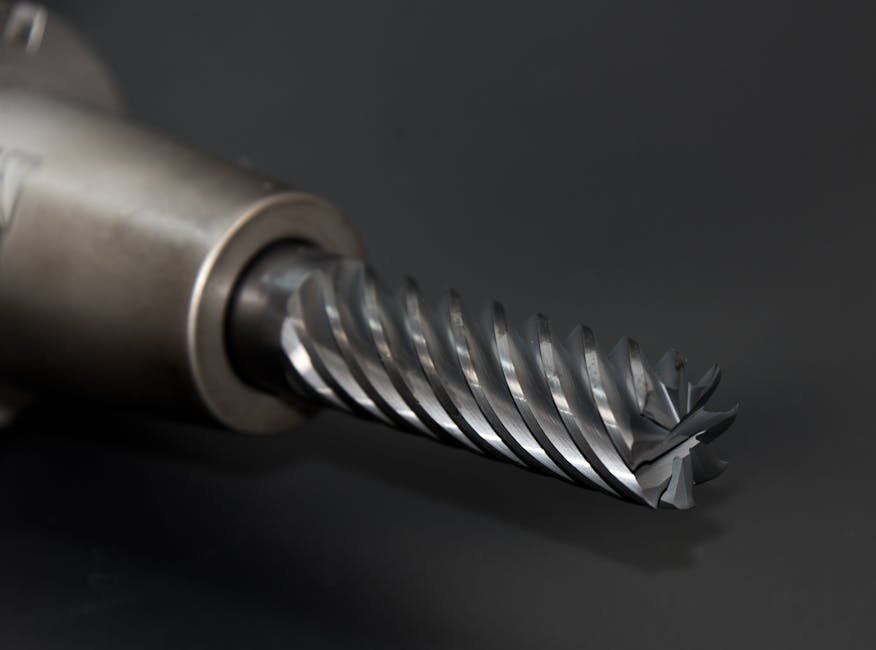

Understanding the current carbide drill bits scrap price is essential for industrial workshops, machine shops, and demolition contractors looking to optimize their waste management revenue. Tungsten carbide is one of the most valuable industrial materials in the world, prized for its extreme hardness and thermal resistance. Because it contains rare and finite elements like tungsten and cobalt, recycling these tools is not just a financial incentive; it is a critical component of the global circular economy.
The Economics of Tungsten Carbide Recycling
Tungsten carbide is not a traditional base metal like steel or copper. Its value is derived from the complex process required to extract and refine tungsten ore. When you evaluate the carbide drill bits scrap price, you are essentially looking at the market value of the refined tungsten powder contained within the tool. Unlike Stainless Steel Scrap Price, which fluctuates based on nickel and chromium content, carbide prices are highly sensitive to the geopolitical stability of mining regions in China and Russia, which control the majority of the world’s primary tungsten supply.
For businesses in Australia, the price per kg is influenced by the purity of the scrap. Pure tungsten carbide, often referred to as ‘solid carbide,’ commands the highest prices. Contaminated materials—such as those with braze joints, steel shanks, or significant oxidation—require expensive chemical or mechanical separation processes, which lower the net value to the seller. To maximize your returns, it is vital to sort your scrap by grade. If you are looking to sell, you can Buy Tungsten Carbide Scrap Cutting Tools Drill Bits or sell them through established channels that provide transparent grading services.
Factors Influencing Current Scrap Prices
Several variables dictate the carbide drill bits scrap price at any given time. First and foremost is the ‘Tungsten Trioxide’ (WO3) market index. Because tungsten is a critical mineral, its price is tracked globally. When global supply chains tighten, the scrap value climbs. Secondly, cobalt content plays a major role. Cobalt acts as the binder in cemented carbide; as a critical battery metal, its price volatility directly impacts the overall value of your scrap.
Logistics also play a role. Australia’s geographical isolation means that freight costs to international refineries can impact the local price per kg. Large-scale industrial suppliers who can aggregate significant tonnages often receive a premium compared to smaller workshops. For those tracking these trends, consulting a Scrap Price Forecast Guide is a smart way to time your sales for maximum profit. Additionally, the demand for carbide in the automotive sector—often linked to auto parts manufacturing and vehicle recycling—creates a steady baseline of demand. Even in end of life vehicle (ELV) processing, bits and inserts recovered from car wreckers contribute to the secondary supply chain.
Grading and Sorting: Maximizing Your Return
Not all carbide is created equal. The industry typically categorizes scrap into several distinct grades. Solid carbide, which includes drill bits, end mills, and reamers, is at the top of the food chain. Then there are carbide inserts, which are often coated with titanium nitride or aluminum oxide to extend their life. When these coatings wear off, the inserts become scrap. Finding the right scrap price for carbide inserts is often a different negotiation than selling solid tool steel, as the processing requirements differ.
To ensure you receive the best scrap carbide price, follow these sorting tips:
- Separate by Type: Keep solid carbide drill bits separate from carbide inserts and wear parts.
- Remove Contaminants: Remove steel shanks, bolts, and plastic packaging. The cleaner the material, the higher the price.
- Check for Coatings: While coatings are standard, excessive buildup of other metals can downgrade the batch.
- Volume Matters: Consolidate your scrap into larger loads to reduce the impact of transport costs on your net profit.
By effectively managing your scrap inventory, you turn a waste stream into a secondary income source. If you need help identifying your grades, professional scrap metal trading platforms can provide guidance on current market valuations.
The Environmental Impact of Carbide Recycling
Recycling tungsten carbide is an environmental imperative. Mining for tungsten is energy-intensive and often involves significant land disturbance. By reclaiming tungsten from used drill bits, we reduce the need for virgin mining. The recycling process, known as the ‘Zinc Process’ or chemical leaching, allows for the recovery of tungsten powder that is near-identical in quality to virgin material. This circular approach saves up to 70% of the energy compared to primary production.
Furthermore, the recycling of industrial tools integrates into the broader metal prices today landscape. When we recycle, we stabilize the availability of critical minerals, preventing extreme price spikes. This is particularly important for the Australian manufacturing sector, which relies on consistent access to high-performance cutting tools. Responsible recycling also prevents heavy metals like cobalt from entering landfills, protecting local water tables and soil quality.
How Recycling Works: From Bits to Powder
The journey from a worn-out drill bit to a new tool is fascinating. Once collected, the scrap is crushed and cleaned. In the zinc process, the scrap is heated in a molten zinc bath, which causes the cobalt binder to swell and fracture the structure of the carbide. This allows the material to be easily crushed into a fine powder. This powder is then processed through chemical purification to remove impurities and re-alloyed to create new, high-performance carbide tools.
This closed-loop system is the gold standard for sustainability. It ensures that the value of the tungsten is never lost, merely transformed. For businesses looking to participate in this cycle, working with certified recyclers who adhere to international environmental standards is key. You can find more information on local processing capabilities through professional metal recycling services in Australia.
Market Trends and Future Outlook
The future of the carbide market is inextricably linked to the ‘Green Transition.’ As the world moves toward renewable energy and electric vehicles, the demand for high-precision machining tools—which require tungsten carbide—is expected to grow. This suggests that the long-term trajectory for scrap prices remains positive. However, market participants should remain aware of the scrap carbide price fluctuations caused by global economic shifts.
We are also seeing an increase in the use of ‘recycled-content’ carbide tools. Tool manufacturers are increasingly marketing bits made from 100% recycled tungsten. This creates a virtuous cycle where the scrap you sell today is likely to be purchased back as a new tool tomorrow. Staying informed about these trends is crucial for any business that consumes large quantities of cutting tools.
Practical Tips for Industrial Suppliers
For machine shops and engineering firms, the best way to handle scrap is to implement a ‘collection-at-source’ program. Place dedicated bins at every CNC machine or workstation. This prevents carbide from being mixed with general steel or aluminum scrap. If carbide is mixed with other metals, it is often treated as ‘contaminated’ and sold at a significantly lower rate, or in some cases, rejected entirely.
Regularly audit your scrap collection. If you are generating a high volume of carbide, track your output against your tool purchases. This helps you identify if your recycling program is capturing the full volume of your waste. Remember, the carbide drill bits scrap price is a significant asset on your balance sheet if managed correctly. Treat your scrap not as waste, but as a high-value commodity that requires secure storage and professional handling.
Conclusion: Why Quality Matters
The scrap metal industry is a cornerstone of the Australian economy, and tungsten carbide is one of its most valuable components. By understanding the factors that influence pricing—from the global demand for tungsten to the purity of your specific scrap—you can ensure your business receives the best possible return. Whether you are dealing with small quantities of drill bits or massive industrial volumes, the principles remain the same: sort, clean, and stay informed on market trends.
As we look toward a future where resource efficiency is paramount, the role of the scrap trader becomes even more vital. By choosing to recycle rather than discard, you are supporting a sustainable future while improving your bottom line. Use the resources provided by professional platforms to track your scrap value and connect with buyers who understand the true worth of your materials.
Frequently Asked Questions
Why is the price of carbide drill bits higher than standard steel?
Carbide drill bits contain tungsten and cobalt, which are rare, high-value critical minerals. Unlike standard steel, the extraction and processing of these materials are extremely energy-intensive and costly, making the recovered scrap significantly more valuable.
How can I tell if my drill bits are solid carbide?
Solid carbide bits are noticeably heavier than steel bits of the same size and are non-magnetic or only weakly magnetic. You can also perform a ‘spark test’ on a grinding wheel; pure carbide produces a very short, dull spark compared to the long, bright sparks of steel.
Does the presence of coatings affect the scrap price?
Yes, heavy coatings like titanium nitride can be considered a contaminant in large quantities. While most recyclers accept coated inserts, excessive contamination that requires chemical stripping will lower the overall price per kilogram.
Is it worth separating my carbide scrap from other metals?
Absolutely. Mixing carbide with steel or iron scrap will cause your entire batch to be classified as ‘contaminated,’ which drastically reduces its value. Always keep your carbide in a dedicated, separate container to ensure you receive the premium price.