
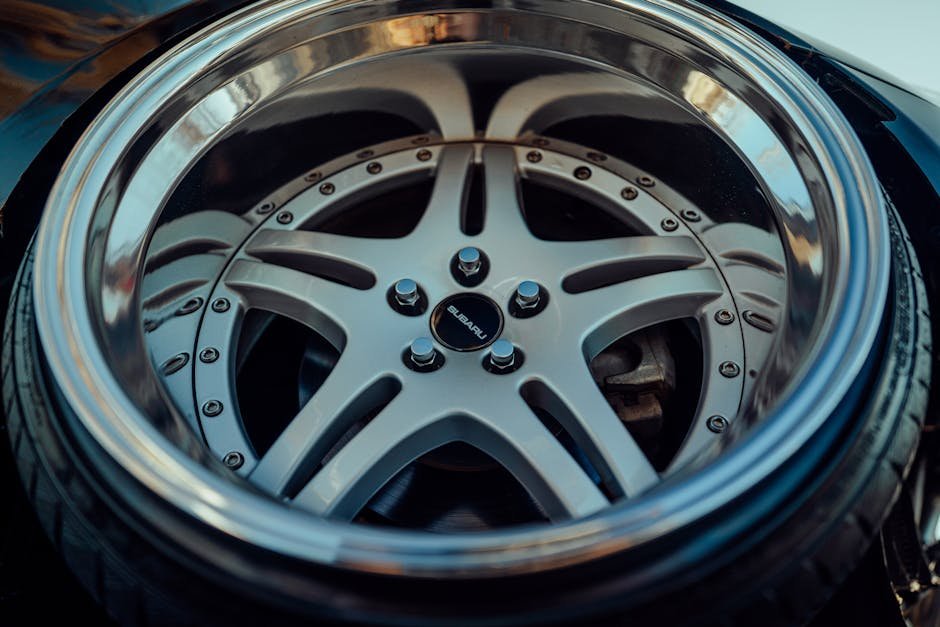

When it comes to managing automotive waste, finding a reliable facility for rims Winmalee is essential for both environmental sustainability and financial gain. Whether you are a local mechanic, a car enthusiast, or a business owner clearing out a salvage yard, understanding the lifecycle and economic value of your scrap wheels is the first step toward professional recycling. In the Blue Mountains region, the demand for responsible metal recovery is rising, and knowing how to navigate the local market ensures you receive the highest possible return for your materials.
Understanding the Value of Scrap Wheels in the Blue Mountains
The scrap metal industry is a global enterprise, and even local operations like those dealing with rims Winmalee are tied to international commodity pricing. Aluminum alloy wheels are highly sought after by smelters because they can be melted down and repurposed into new automotive components with significantly less energy than refining raw bauxite. If you are curious about the market dynamics, our comprehensive guide on Aluminum Rims Price Per Pound Scrap Value Market Trends And Recycling Opportunities provides the data you need to understand why these items hold such high value.
For those located in Winmalee, the process of recycling involves more than just dumping metal in a bin. It requires sorting, cleaning, and identifying the alloy composition. Most modern rims are made from aluminum alloys, which are lightweight and durable. However, older or heavy-duty vehicles often utilize steel rims. Steel is magnetic and carries a lower market value compared to aluminum, meaning that separating these two materials before heading to a yard is the single most effective way to increase your profit. As the industry evolves, platforms like the グローバル廃金属取引プラットフォームが正式サ are helping bridge the gap between local scrap collectors and international buyers, ensuring that the circular economy remains efficient.
How to Identify and Prepare Your Rims for Scrap
Before you transport your rims to a recycling facility, preparation is key. The first step is to remove all non-metal components. This includes rubber tires, plastic center caps, and lead or zinc wheel weights. Most scrap yards will deduct weight if these contaminants are present, or they may refuse the load entirely. By stripping the rims down to the bare metal, you ensure that you are paid for the actual weight of the aluminum or steel, rather than the weight of the waste.
If you are wondering where to sell aluminum rims, you should look for facilities that offer transparent pricing and utilize certified scales. It is also important to consider the logistics of your transport. If you have a large volume of rims, some recyclers offer pickup services, which can save you time and fuel costs. When you search for where to sell aluminum rims, prioritize yards that are environmentally compliant and have a reputation for fair grading. For those who are still unsure about the process, asking where can i sell aluminum rims is a common starting point for many residents in the Blue Mountains area. Always ensure the facility provides a receipt detailing the weight and the type of metal processed.
Technological Advancements in the Scrap Industry
The scrap metal industry is undergoing a digital transformation. Gone are the days of manual ledger books and opaque pricing structures. Today, innovation is at the forefront of the sector. For instance, the recent news that Scraptrade Recognises Sands Industries With The Australian Industrial Innovation Award 2025 highlights how modern technology is streamlining the recycling process. These advancements allow for better tracking of materials, more accurate grading of alloys, and faster transactions for the end user.
By utilizing a professional scrap trading platform, you gain access to real-time market data that helps you decide when it is the best time to sell. Selling your scrap metal is not just about getting rid of clutter; it is about participating in a global supply chain that values resource efficiency. Whether you are dealing with a handful of rims or a commercial load, leveraging these technological tools ensures you are not leaving money on the table. The shift toward digital transparency is a major win for the Australian recycling industry, providing a level playing field for both large-scale industrial sellers and individual recyclers.
Environmental Impact and Sustainable Recycling
Recycling aluminum is one of the most successful environmental initiatives in the modern world. Recycling one ton of aluminum saves approximately 14,000 kilowatt-hours of electricity compared to producing the same amount of metal from virgin ore. When you recycle your rims, you are directly contributing to a reduction in greenhouse gas emissions and a decrease in the need for destructive open-pit mining. In the context of the Blue Mountains, where preserving the natural landscape is a priority, responsible waste management is a civic duty.
Furthermore, the scrap metal industry supports a circular economy. By ensuring that metals are recovered and reused, we reduce the amount of waste that ends up in local landfills. This is particularly important for automotive components, which can contain hazardous materials like oil residue or lead weights. Professional recycling facilities in Australia, such as those supported by Scraptrade Australia, adhere to strict environmental regulations to ensure that these hazardous materials are handled safely and do not leach into the soil or water table. Choosing a certified recycler is the best way to ensure your rims are handled in an eco-friendly manner.
Maximizing Your Profit: Tips for the Scrap Yard
To get the most out of your scrap, treat your visit to the yard with the same professionalism as any other business transaction. First, keep your scrap clean. “Clean” aluminum is free of paint, grease, and other impurities. While some yards will accept “dirty” aluminum, they will pay a lower price per kilogram. Second, build a relationship with your local yard manager. If you are a consistent supplier, you may be able to negotiate better rates or receive priority service during busy times.
Third, be aware of market fluctuations. Scrap metal prices change daily based on the London Metal Exchange (LME) and local demand. If you have the storage space, it can be advantageous to hold onto your scrap until prices peak. However, do not hold onto it for too long if it creates a safety hazard or takes up valuable space. Finally, always document your sales. Keeping a log of your transactions helps you track your income and understand the seasonal trends of the scrap market. By applying these expert strategies, you can turn a pile of old rims into a reliable source of secondary income.
The Future of Aluminum Recycling in Australia
As Australia moves toward a more sustainable future, the role of scrap metal recycling will only grow in importance. Government initiatives aimed at reducing industrial waste and encouraging the use of recycled materials are creating new opportunities for businesses and individuals alike. The integration of artificial intelligence and automated sorting systems is making it easier to identify high-value alloys, which in turn increases the efficiency of the entire recycling chain.
For residents and businesses in Winmalee, this means that the infrastructure for recycling will continue to improve. We are seeing a shift where recycling is no longer just a way to dispose of trash, but a strategic business decision. By participating in this ecosystem, you are supporting local jobs and contributing to a global effort to conserve natural resources. Whether you are a hobbyist or a professional, staying informed about the latest developments in the industry will help you stay ahead of the curve and make the most of your scrap metal assets.
Conclusion: Taking Action Today
Recycling your rims in Winmalee is a straightforward process that offers significant benefits. By separating your metals, preparing them for the yard, and utilizing reputable platforms to track market trends, you can maximize your financial return while protecting the environment. The scrap metal industry is a vital component of the Australian economy, and every piece of metal you recycle helps build a more sustainable future. Start by auditing your current inventory, separating your aluminum from your steel, and reaching out to a certified professional to facilitate your next sale.
Remember that the value of your scrap is not fixed; it is a reflection of global demand and local efficiency. By staying educated, using the right resources, and engaging with the community of recyclers, you can ensure that your scrap metal recycling journey is both profitable and impactful. Whether you are clearing out a garage or managing a large-scale industrial project, the path to successful recycling starts with taking that first step today.
Related: グローバル廃金属取引プラットフォームが正式サ
Frequently Asked Questions
How can I tell if my rims are aluminum or steel?
The easiest way to tell is by using a magnet. If the magnet sticks to the rim, it is steel; if it does not, it is likely aluminum alloy.
Do I need to remove the tires before taking rims to a scrap yard?
Yes, it is highly recommended to remove the tires. Most scrap yards will charge a fee for tire disposal or offer a significantly lower price for rims with tires still attached.
Does the condition of the rim affect the scrap price?
Generally, scrap yards pay based on weight and metal purity rather than the aesthetic condition of the rim. However, they must be free of excessive dirt, grease, or paint to get the best price.
Are there specific times of the year when scrap prices are higher?
Scrap prices fluctuate daily based on global market demand. While there is no specific ‘season,’ prices tend to follow global industrial manufacturing trends and economic activity levels.